Posted in Commercial Van, Ideas & Tips

Secure Transport Vans – The Medical Transport Solution

Newly legal in both recreational and medicinal capacities throughout several states, cannabis has become an extremely profitable venture for many across the country. However, it’s not without its challenges. Because the sale and possession of cannabis aren’t federally legal, there are complications that could arise – one of which is secure transport. Secure transport vans are a natural choice for professionals in this industry because they provide protection not only for the product but also protect the large sums of cash that often accompany it. 

So, what van should you purchase for your cannabis business? We’ll go over several different options and offer some key tips on how to make your work van work for you while adhering to state regulations.

The Logistics & Laws of Cannabis Transport

There are plenty of rules and regulations for cannabis transport, all of which are essential to keep in mind when purchasing a secure commercial van. First and foremost, you cannot transport this product over state lines. Crossing state lines while in possession of cannabis will likely involve legal proceedings and may result in a felony and revocation of cannabis business licenses. Additionally, in the majority of states where it is legal, you will need to obtain a motor carrier permit from your local DMV. Because this is such a new industry, additional regulations are constantly being added, so be sure you stay up to date.

The Van

Under normal circumstances, the ideal vehicle for transporting such a sensitive product accompanied by large amounts of cash would be an armored car. However, armored cars typically weigh well over 10,000 lbs and require registration as a commercial vehicle with the DOT (Department of Transportation). As cannabis is not yet federally legal, it is impossible to obtain a commercial driver’s license for the transport of cannabis. Choosing a vehicle that’s secure enough to protect desirable products without infringing on these laws can be a little tricky.

To navigate involved regulations and procedures, the industry has turned to nondescript secure transport vans. These vans are smaller, provide comparable security benefits, offer better gas mileage, and have more customization options than armored cars. Secure transport vans also serve as a versatile answer to the need for temperature control, organizational features, bullet-proof glass, and digital monitoring, all of which can be added to your van to create a safe and efficient way to transport cannabis and cash.

What to Look For

The most important thing to keep in mind is the weight of the van. You need something large and sturdy enough to securely move the product, but it can’t be so large that you need a special license to operate it. It’s for this exact reason that the cannabis industry has fallen in love with vans like the Ford Transit.

Not only is this style of the van the perfect base for serious customization, but they’re also well-known for their reliability, durability, low maintenance costs, and respectable gas mileage. Because they weigh under 5 tons, they fly under the federal radar. These vans are offered in several different wheelbase lengths, with the 130” regular wheelbase option reigning as the popular choice for industry professionals. The 130” wheelbase, while considered “petite” with respect to similar models, meets industry needs in both weight and organizational requirements. Perfect for traversing long stretches of country roads, yet compact enough to confidently maneuver through crowded city streets, the smaller wheelbase delivers a sense of security in any matter of transportation.

And, as a bonus, this style of van is a welcoming base for the aftermarket security and climate-control options you’ll most certainly need. For these reasons, the Ford Transit, Mercedes-Benz Sprinter, and Ram Promaster are all ideal foundations for a secure cannabis transport van.

Aftermarket Upgrades 

When considering the vast and ever-changing market requirements barring simple operation in this industry, there is no reasonable way to avoid aftermarket upgrades. Because these vans weren’t necessarily designed with secure transport in mind, you’ll need to make some security upgrades in addition to organizational upfits. 

Security

Securing the cargo space should be your first and most important step in optimizing your secure transport van. You’ll need a steel, aluminum, or thermoformed partition between the driver and the cargo area to prevent product access through the front doors of the van. Limiting the number of entry points in a secure transport vehicle decreases the opportunity for compromised products in both theft and environmental regards.

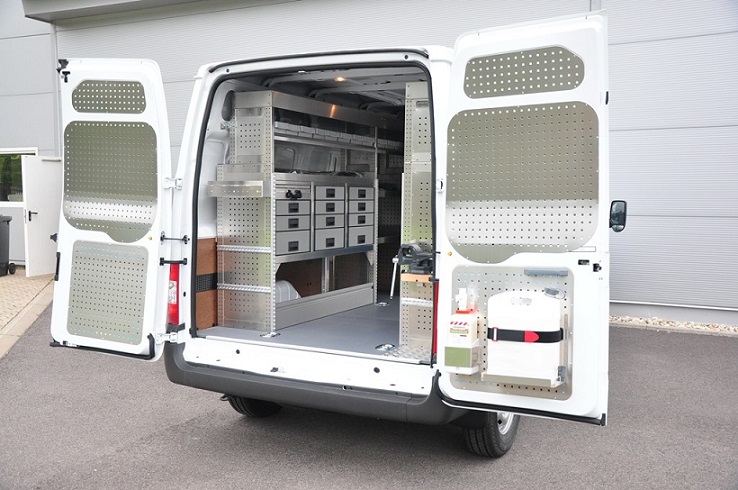
This option from  KargoMaster is an optimal choice because the perforations in the partition allow the driver to view the cargo area without granting access. You’ll also need to up the security on your back doors. We recommend more secure, aftermarket locks like this one from  Cargo Van Locks. It’s durable and tamper-proof, and the locking system can be synced to your car remote to lock from the exterior. 

Organization

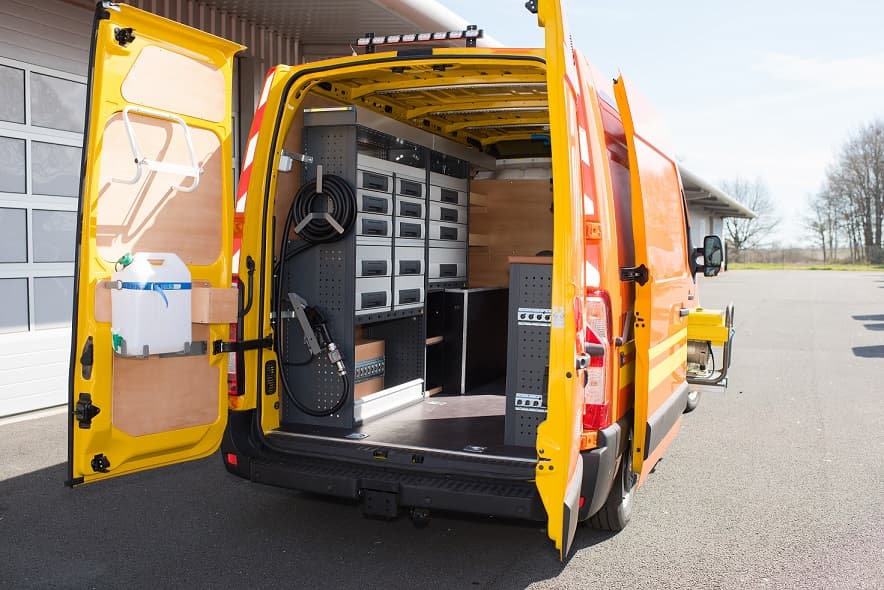
Because the transport of cannabis is an intricate and fiercely regulated process, you’ll want to maximize efficiency and get the most out of every delivery. A large part of this process involves keeping your stock organized and transporting as much product as possible. Van shelving ideas is the ideal choice in utilizing all available cargo space while keeping your product organized. Shelves take advantage of vertical storage space and make the loading and unloading process quicker and easier. Consider one of these options from  Adrian Steel. Their upfits are extremely durable and feature adjustable shelves to customize your storage for different needs and volumes.

However, cannabis is not the only thing that these secure transport vans will be carrying. Cannabis companies deal exclusively in cash, which means they’re also carrying a small fortune with them wherever they go. To further secure your van, and the precious cargo within, install a safe in your cargo space. You can always opt for something like a lockable box, but for the highest levels of security, we like this set from  Truck Vault. The safe installs directly onto the floor, allowing you to capitalize on the space above it. Coupled with the extra security locks and features, a safe will ensure only authorized users can access valuables inside.

Temperature Control & Tracking

One of the unique challenges that accompany cannabis transport is maintaining product integrity. Unlike most goods, which you simply need to protect from physical damage, cannabis quality suffers greatly when transported in unfavorable climate conditions. Installing a temperature control system for the typically neglected cargo space can help avoid a lapse in quality. And, although environmental modifications aren’t necessary for secure transport, they are required by the majority of states where cannabis is legal. These options from  Delivery Concepts can be adapted to fit several different van models without requiring additional fuel sources. 

Like temperature control, most states require GPS tracking or digital monitoring for any vehicle transporting cannabis. Digital monitoring and GPS allow business owners to keep an eye on where their deliveries are at any given time. Linxup is one of many fleet tracking options available.

Consider a Conversion

Building a secure transport van from scratch isn’t the only option for those in this lucrative industry. Companies like California-based  Nor Cal Vans, remove all of the stress from the process and design vans specifically for secure cannabis transport. Nor Cal Vans leverage their thirty years of expertise in van conversions to provide a surprisingly affordable solution to the complicated problem of cannabis transport. Nor Cal can either start from scratch on a completely new vehicle or overhaul your existing vans. Standard features include a variety of essential upgrades like a cargo partition, steel cage, and LED interior lighting.

Additional options like a drop safe, a vehicle alarm system with GPS, and refrigeration are available. Nor Cal and other conversion businesses can transform any standard cargo van into a high-tech, secure transport vehicle.

The Perfect Cannabis Transport Van for You

Depending on your state’s regulations, the frequency and volume of your deliveries, and the number of vehicles in your fleet, the perfect secure transport van will look different to everyone. For those just beginning, a compact Ford Transit Connect with the necessary security upgrades and GPS tracking is a good place to start. On the other hand, if you have the funds, a larger van, like the Mercedes-Benz Sprinter, with additional shelving, a safe, temperature control, and enhanced standard options can help maximize efficiency and appear more professional. You can go all out and create what is essentially a smaller armored car or just stick to the basics. Either way, taking steps to securely transport cannabis is an important process.

Posted in Uncategorized

3 Things to Consider When Buying a Refrigerated Truck

Long gone are the days of relying on salt and ice to keep your inventory cold. More effective and efficient methods are introduced every year in the form of refrigerated vans and their upgraded features. But with so many options on the market, how do you know which work truck is best for you and your business? With temperature-sensitive materials and products on the line, it’s important to invest in the vehicle that’s perfect for the present business and future growth. Avoid brain freeze by considering the following key points.

1. Types of Refrigeration: Single vs. Multi-Temp and Temp Control

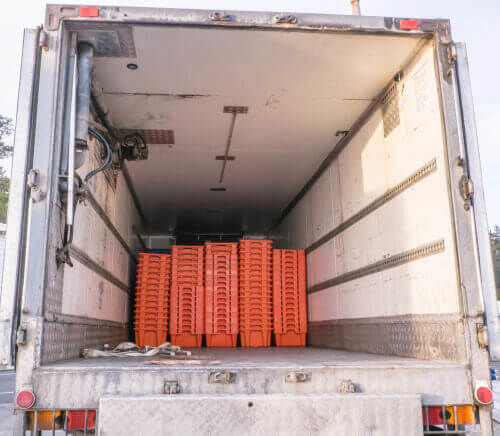
Inside of a reefer truck

Perhaps the first thing that comes to mind when searching for a reefer is its ability to reach and maintain a constant temperature. But don’t let the specifics get away from you. Depending on your industry, needs may vary drastically from a neighboring business.

Pharmaceuticals such as insulin need to stay between 35°F and 46°F while antiques tend to travel closer to 70°F, for example. A 2015 Ford F450 chassis hooked up to a refrigerated trailer fitted with a Thermo King V300 offers temperature control down to -4°F, but won’t be suited for industries that need a deep freeze. So whether you’re transporting ice cream, flowers, cosmetics, or engineered chemicals, no one knows your products better than you–write down the temperature variables that you need so you can compare it to the specs of trucks you’re looking to buy.

Additionally, depending on the types of goods you’re moving, you might need to consider whether or not you need a truck that can create multiple temperatures in the same trailer. A single-temp trailer will keep the entire space at a steady temperature. These trailers are common and often lighter and less expensive than their multi-temp counterparts.

However, if you need to move mid-temperature goods at the same time as deep-frozen (or any combination of goods that require temps harmful to others in the same trailer) a multi-temperature truck would be a better investment. As the name suggests, it allows you to divide the trailer space into more than one compartment. Doing so effectively lets you make fewer trips while still guaranteeing the integrity of the products on arrival. Many manufacturers such as Supreme release models of both that can be attached to the chassis of your choice from popular OEMs like RAM, GM, Peterbilt, and Ford.

2. Refrigeration Capacity and Distance Travelled

How far you do (or don’t) plan on driving and where you plan to pick up and deliver should have an impact on your decision. An Isuzu chassis pulling a 28’ long Morgan Cold Star might work great for long stretches of straight highway during cross-country travel, but it’s not going to be well suited for the small roads and tight turns of crowded urban cities.

But don’t just err on the side of caution and buy a smaller refrigerated truck either. You want to ensure that it has the capacity to carry the payload you’re expecting to carry as well as having the space to load it. Consider where your business is now and where you plan to be a few years out as well. Refrigerated trucks can be costly, but investing in one that caters to your needs now and down the road can save you time and money in the long run.

As an additional warning, make sure that your preferred chassis matches the spec requirements associated with the body if you’re customizing your new refrigerated truck. If the two don’t match the dealership may not be able to assemble them for you, and even if they can you might run into issues with things like the liftgate not being able to reach the ground. One way to avoid this is by purchasing a chassis/body combo that is already together or recommended by a dealership. But if you prefer to have full customization you should communicate with workers from both parties, or ask your dealership for guidance.

3. Delivery Truck Upfits and a Business Budget

When asked what advice they would give to someone in the market for a new refrigerated truck, one thing that drivers and owners across a variety of industries agreed on was upfits. Specifically, how they affect the truck’s specs.

Say you’ve just bought what you think is the perfect truck. It’s a Supreme Kold King on a 2019 Hino chassis and it’s just the right size to stack three crates of produce side-by-side. But when you go to load your first run you realize that you forgot to take the thickness of the insulation into consideration. Suddenly you can’t carry the same amount of inventory as you expected and it can cut into your bottom line.

And the same can be said of bulkheads and other upfits. While these upgrades can increase efficiency and profits in some ways, you should be mindful of what you’re trading for space. Upfits that affect the quality of thermal regulation or interior space can be especially tricky if you’re unaware of the trade-offs.

When it comes to refrigerated trucks, the key is knowing exactly what you need from the vehicle and going into it with a thorough amount of research. Coming prepared means that you won’t be upsold on features you don’t need, but it also ensures that you won’t undersell yourself or your business by cutting corners on things you do. With the abundance of customizations and constant innovations being introduced, you can absolutely find the perfect fit without breaking the bank.

Posted in Uncategorized

How to choose a refrigerated van for your business

Refrigerated vehicles are a necessity within the cold chain, ensuring the protection of products during long journeys. However, when choosing refrigerated vans for your business, it is important to choose the best-suited vehicle for your specific industry requirements. 

Transport for fragile pharmaceuticals 

The survival of the pharmaceutical industry relies on the safe delivery of fragile medicine and vaccines, in order to ensure the safety of the end-user. However, pharmaceutical products, especially those containing blood and plasma, are extremely vulnerable to excessively hot and cold temperatures. Chemical alterations can take place in these products if they exceed their recommended temperature range.

These alterations can either leave a pharmaceutical product ineffective, or in the event of over-freezing, products can cause adverse reactions in patients. Some pharmaceuticals can also be potentially hazardous, and so greater care needs to be taken during handling and transportation.

When looking at refrigerated van hire for healthcare, the most important feature should be efficient temperature control. Pharmaceuticals need to be maintained within a specified temperature range – usually between +2°C and +8°C. All our pharmaceutical vehicles come equipped with Transcan Temperature Recorders, which enable fleets themselves to set, analyse and maintain their cargo’s optimum temperature, placing full control in their hands.

Posted in Commercial Van, Ideas & Tips, Uncategorized

Top van racking ideas

So it’s a new year and a new you. And for those of you who’ve started a new year’s resolution to tidy the van or get a little more organised, you might have thought about giving your van a facelift by getting some racking for the transit. Well, as van insurance experts we’ve scaled the web far and wide to find you the best ideas for van racking and get you on your way to completing that new year’s resolution.

Wooden van racking ideas

This van racking is in a Vauxhall Vivaro and has really utilised the flooring well to be able to store equipment that’s really long. This would be the perfect van racking for someone who’s storing equipment like van ladder racks, spirit levels, pipes and hoses.

This is a great idea to keep your saws and will cut (no pun intended) through your time spent looking for them in half!

This is a great idea for your regularly used consumables, and this way you can check you’re stock levels with ease!

Fancy a mobile workshop? This van racking even has flooring! It’s managed to implement wire reels and a circular saw, as well as plenty of storage for long wooden panels at the bottom. This is a joiners dream!

Need easy access to some essentials? This is a great way to do it if you have a door at the back too.

Metal van racking ideas

This is a great utiliser of space. It has a roll for paper, a tank with dispenser and plenty of room for cargo in the middle with fitted safety nets to secure the load. Maybe the tank could be used to store a much-needed brew in the morning!

This one has really utilised the space, and of course, after a long hard day working, the golf clubs will inevitably take centre stage to hit the course after work. There’s even a brolly thrown in to cope with the classic British weather.

Null

This is a great way of getting easy access to liquids by utilising the doors!

Null

It’s always good to leave a bit of blank space to be prepared for those miscellaneous objects you come across from time to time. This van has provided drawers and underneath it, a large space for those objects you don’t come across every day.

Why install van racking?

There’s nothing worse than turning a sharp corner and hearing your beloved cargo crash against the panels. Without van racking, you’re often playing Russian roulette with which bit of equipment will be smashing against the panel next. The right van racking can help prevent dents, scratches and help you access your cargo with ease, not only saving you time, but saving you money.

Null

Wood or metal van racking?

Before making your decision, you might want to consider everything that’ll be carried in the transit to ensure that you get the most suitable van racking for your business. You probably have a good idea already in your mind, but this is the time to consider absolutely everything. Mapping out what you’ll carry on an average day and multiplying this by 365 will give you an insight into what you’ll carry year to year. The last thing you want is to have van racking that’s unable to take hold of your supplies. The key questions you’ll need to ask yourself is how frequently you’ll be using individual pieces of equipment, the weight of your load, the size of it and how fragile the equipment might be.

Wood racking

Wood racking is by far the cheaper solution and is a really good option for those of you who just have a small number of tools that need racking away, it’s also argued that the interior of the van is protected much more with wood than with metal. As you’d expect, trades like joinery and carpentry may be more suited to this with the majority of its load being compromised of wood consumables. The downside to wood racking is that wood can be quite heavy and that additional weight can cost you in terms of fuel. You’ll also want to think twice if you regularly carry liquids too as unless you regularly treat the shelving, the water will cause the wood to expand or rot.

Metal racking

Metal racking is more lightweight in comparison to wood depending on which type of metal to use. As you would expect, aluminium will be a lot more lightweight than steel shelving but if you have big bulky equipment you might favour the latter. If you’re going to be storing liquids in your van, its advised that you go for a material such as galvanized steel. Trades that have large heavy equipment will be more suited to metal racking. Metal racking is, however, more expensive than wood racking and unless you’re an expert metal worker, you may need to get this installed by a professional. You can often buy metal van racking sets straight out of the box from many retailers.

Get more information about van ladder racks, just drop your comments in the comment section.

Posted in Ideas & Tips

Safe Van Driving Tips

Getting behind the wheel of a van is different than driving a car because it’s bigger, heavier and is normally carrying extra weight from cargo.

There are some similarities that can be applied across both vehicles. You should always do basic checks before every journey including water, oil and windscreen washer levels as well as tyre tread depth and condition.

Typically, van drivers are on the road for longer than their car driving counterparts which increases their risk of being involved in an accident.

We’ve put together a list of helpful tips to make every journey in a van safer.

ADOPT A COMFORTABLE DRIVING POSITION

There are some key differences between driving a car and a van; one of them is the driving position. In a van, you’re much higher giving you a better view of the road ahead.

In contrast, most vans don’t have a rear view mirror – either there is a full steel bulkhead separating the passenger and cargo areas or it’s a panel van without windows – so there are less ways to see behind you.

A comfortable driving position is important to avoid getting aches and pains from long-distance trips. A correct driving position also means adjusting your large door mirrors to optimise your field of vision to see as much of the road behind you as possible.

GET FAMILIAR WITH THE CONTROLS

Whenever you get behind the wheel of a new vehicle, you should familiarise yourself with the indicators, lights, hazard warnings and wipers.

Did you know that you can travel the length of two double decker buses in just a few seconds at 30mph? So, taking your eyes off the road to find the lights could easily lead to an accident.

In a van, the gearstick is normally located on the dashboard, adjacent to the steering wheel, which is an unfamiliar position for people used to driving a car.

Some vans also come with a sixth gear for added fuel efficiency, so it’s important to check this before you set off rather than discovering it 50 miles into your journey.

KNOW THE DIMENSIONS

It’s obvious that a van is usually taller and longer than a car, but that imposes certain restrictions on where you can drive and park it.

For example, some car parks, especially underground ones, have height limits that you might not be able to fit under, so you should know the van’s dimensions before you attempt to get into one.

Also be aware of bridges, tunnels, overhanging trees and width-restricted lanes and roads.

PLAN A ROUTE AND LEAVE EXTRA TIME

Often you’ll be using a van for your business or moving items from one place to another. As such, you could be driving on unfamiliar roads or have a schedule to stick to.

To avoid rushing, getting stressed and increasing your blood pressure – all things that lead to impaired decision making – try to plan a route that avoids travelling in congested areas at peak times.

When you plan a route, you’ll have an estimated time that it should take you to reach your destination. It’s advisable to always leave some extra time to account for any delays that you might encounter.

LOAD YOUR CARGO PROPERLY

A properly loaded van makes a huge difference to the way the vehicle handles on the road and the safety of the driver and other road users.

Ideally, the load should be as low as possible and in the centre of the wheelbase to spread the weight evenly. Tall items especially, should be tied down if you can’t tether the whole load.

Moving items can destabilise the van and damage other goods that you’re carrying.

Investing in the right commercial van will help keep your cargo safe and avoid wasting your profits.

SECURE THE CARGO DOORS

Once you’ve got the load in, you don’t want it to go anywhere before it’s reached its final destination. Make sure you lock the rear and side doors before you set off.

In 2008, an 80-year-old pedestrian was hit by the unsecured door of a van and suffered fatal injuries. The driver was charged with dangerous driving and received a court sentence.

Ensuring all the doors to your van are locked is also good practice to avoid being targeted by opportunistic thieves.

KNOW THE SPEED LIMIT

Vans have a different speed limit to cars and you need to be aware of these to drive safely and legally.

A national speed limit sign on a single carriageway means 50mph for a van. The same sign on a dual carriageway means 60mph for a van. Both are 10mph slower than for cars.

INCREASE BRAKING DISTANCES

The heavier your payload, and the larger your van, the more time and distance you’ll need to come to a complete stop. By increasing your braking distances you give yourself more time to react, and a greater chance of avoiding an accident.

As with any vehicle, you should take particular care in wet or icy conditions. Heavy winds can also impact taller vans which are more susceptible to toppling over.

Posted in Commercial Van

Best New & Used Vans For Food Trucks

Food trucks have become commonplace at festivals, street markets and private events across the UK as entrepreneurs look to capitalise on the rising foodie culture and people looking for an alternative dining experience.

When it comes to purchasing your catering van, there’s a number of factors you need to take into consideration, including whether you’re going to buy a new or used food van and what size van you need.

Once you’re able to answer these key questions, you’ll know the type of van you’re looking for and be able to narrow down the features that will make it the best food truck for your business.

Should You Buy A New Or Used Food Van?

Obviously, there are advantages and disadvantages with both options. Ultimately, the decision will come down to your budget to buy the van and the equipment needed to make your mobile food business a success.

ADVANTAGES OF BUYING A USED FOOD VAN

  • Cheaper than buying new
  • Already converted with custom-fitted equipment for a mobile food business

If you’re on a restricted or small budget, buying a used food van will significantly cut costs compared to buying a brand new model that still needs to be converted.

Figuring out the equipment your catering truck needs can be complex and confusing, especially if you’re just starting out. Buying used means that you only need to find a van with a kitchen layout that works for you.

DISADVANTAGES OF BUYING A NEW FOOD VAN

  • Expensive to finance
  • Longer lead time for bespoke customisation

As with anything, it’s always more expensive to buy brand new compared to used. Food trucks are an expensive purchase, so you need to be absolutely sure you have the money to fund such a large outlay.

You should also consider the layout and the equipment you need on a day-to-day basis. Try to make sure they will last the business for at least the first few years – it could be a while before you have the money to add new equipment or complete any renovations.

Although a bespoke customization will benefit you in the long run by optimizing the food creation and delivery process, a custom-built food van will have a longer lead time, potentially delaying the date you can start trading.

If you are thinking of buying yourself a Food Van, then make sure that you do your research. Firstly, you want to make sure that you get the right Commercial Van that suits your needs.

Posted in Commercial Van

10 Steps To Starting Your Own Pest Control Business

1. Determine Which Services You’ll Provide

Before jumping into your business, you’ll need to figure out which services make the most sense for your business.

Start by thinking about the area you live in and the pest problems that are most prevalent there.

Some services you can add include:

  • Residential, commercial, or both?
  • One-time services
  • Contracts
  • Termite control
  • Fumigation
  • Trapping varmints
  • Baiting
  • Removal of nests (bees, wasps, hornets)
  • Rodent control
  • Mosquito control
  • Fleas and Ticks
  • Bed Bugs
  • In-home
  • Lawn services
  • Attic and crawl space treatments

Be mindful that as the weather changes, so, too, will the types of pests, and services needed to take care of those pests.

You’ll want to consider adding specific services during those times of the year.

2. Develop Your Value Proposition

What’s your value proposition?

Or rather, what makes you stand out from the competition?

To find your value proposition, ask yourself the following questions:

  1. How does your business solve your clients’ pest control problems?
  2. What benefits can your customers expect from your business?
  3. What will you do differently from your competitors?

Get to the core of what makes your clients want to buy from you.

Once you know what makes you unique, you’ll be able to use this message in your advertising.

3. Build Your Brand

What do I mean by “branding”?

Well, your brand is your company’s identity. It’s those recognizable characteristics that let everyone know you.

Your brand is your logo… your color scheme… your name… perhaps a tagline… or even the font you use.

You want it to be memorable and eye-catching.

Once you have your name, logo, and colors picked out, you’ll want to use your brand image on EVERYTHING:

  • Your website
  • Uniforms – shirts and hats
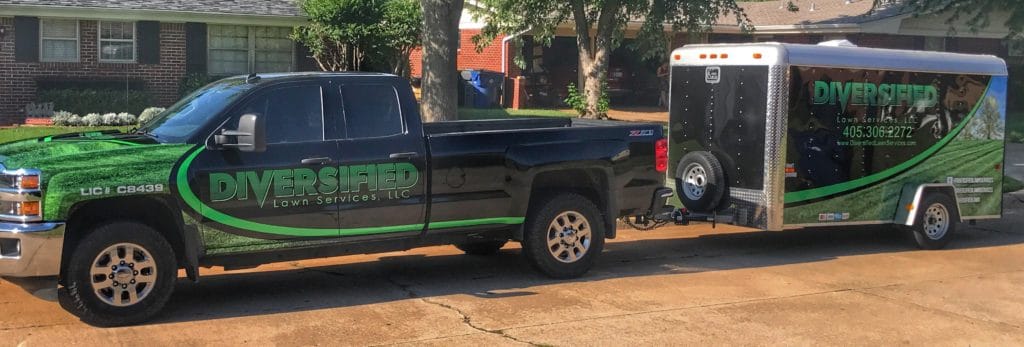
  • Vehicles – wrap your trucks
  • Social Media – your Facebook page
  • Advertising – any ads should contain your name, logo, and company colors

4. Licensing, Registration, and Certification

Pest control is regulated in each state. Your best bet is to check with your state’s laws before your start your business.

There may be several Federal, State, and County licensing, registration, and certification processes that you’ll need to complete before operating your business.

Remember – you’re dealing with potent chemicals and that usually requires some red tape.

5. Protect Your Business (and Yourself) with Insurance

Consider purchasing insurance for your pest control business.

What if you damage a client’s property? Stain an area with chemicals? Miss something altogether?

You’ll want insurance backing you up so you don’t have to pay everything out of pocket.

Being that you’ll probably hire a few employees along the way, you’ll want to look into worker’s compensation and auto insurance as well.

If you are thinking of buying yourself a pest control van, then make sure that you do your research. Firstly, you want to make sure that you get the right pest control van that suits your needs and then you need to make sure that you have the right insurance.

6. Open a Business Checking Account

Before you start purchasing equipment for your business or collecting any money for jobs, you’ll want to open a checking account for your business.

Don’t use a personal account!

Lawn Care Truck Wraps - Diversified

7. Choose the Right Equipment

Once you have your business account established, you’ll need to consider purchasing the right equipment for your daily operations.

Think about:

  • Reliable truck for your supplies and equipment
  • Chemicals
  • Chemical applicators
  • Safety equipment (gloves, boots, long sleeves and pants, respirators, etc.)
  • Traps, cages, and other storage compartments

Don’t forget the office equipment!

8. Find Your “Ideal” Client

When thinking about your ideal client, you’ll want to uncover their biggest pain points.

What’s their biggest gripe when it comes to bugs, critters, and varmints?

You’ll more than likely be faced with the same types of critters and pests causing the same problems throughout your area.

Think about the needs of your clients. This will help you develop a “persona” around your client.

Who they are…

What they need…

Why they need it….

If you currently own a service company such as a lawn care and landscaping business, you can tap into that clientele and upsell them on pest control.

Your best clients will most likely be:

  • Property owners
  • Property investors who maintain several units
  • Apartment complexes
  • Businesses
  • Government offices

And, the more contracts you can sign vs. one-time services, the better off you’ll be in the long run.

How to Find Your First Clients

If you’re adding pest control services to an existing business, this one’s a no-brainer. Start marketing your new service to your existing clients.

However, if you’re new to the scene, you’ll have to dig in and find your first few clients.

  • Start with family and friends, then ask for referrals.
  • Develop a social media and web presence.
  • Spread the word through social networks like church and recreational sports.
spray-tech-chemical-spraying-yard

9. Hire Your First Employee

If you can answer “yes” to any of the following questions, you may need to hire an employee:

  • I’m working more exhaustive hours now that my client list has picked up.
  • I’m turning down jobs because I don’t have enough time to do them.
  • Someone was helping me but they quit.
  • A friend (or maybe even part-time employee) is helping me but he/she is burning out… FAST.
  • I’m constantly out in the field instead of focusing on growing my business (i.e. marketing, sales, etc.)
  • I’m missing calls because I’m too busy, and it’s costing me $$.

When you do hire an employee, make sure your employees are certified according to the Federal EPA laws and State laws governing your area.

This may include on-the-job training for several months – so plan ahead to be ready for the onslaught of work coming your way.

10. Quick Note about Lawyers, Bookkeepers, Accountants, HR Professionals, etc…

Consider building relationships with these folks. Without fail, you’re going to have questions in one of these areas sooner rather than later. It’s best to consult a professional rather than try to forge through these delicate matters on your own. You’ll save yourself a big headache down the line.

Conclusion

Starting your own pest control business (and being your OWN boss) can turn into your dream job… IF you know how to do it properly.

There are several things to consider before you even step foot into your first client’s home:

  • The services you’ll provide
  • Your business name, logo, and colors
  • What sets you apart from your competition
  • Protecting your business from… everything!
  • Marketing, hiring, and much much more.

This article will kick you off in the right direction and make starting your pest control business a lot easier!

Posted in Commercial Van

Refrigerated Trucks: The Cold, Hard Facts

Without refrigerated trucks, grocery stores, restaurants, and households alike would see a huge decrease in the number of food options they have.

Refrigerated trucks help ensure the freshness and safety of foods that can travel as near as across town to as far as across the country (and sometimes even in from another country). They play a vital role in getting fresh produce and foods to people all around the world, but they also have another important role: transporting medication and similar perishables.

With that in mind, it’s easy to see why they are so critical, and widely used. If we couldn’t refrigerate goods as they are being transported from one place to the next, quality, safety, and selection would all suffer as people would be forced to travel far and wide to get access to perishable goods–or go without. Hence, refrigeration trucks play a huge role in today’s economy and they take up a large share of the transportation market.

What Refrigerated Trucks Are Used For

Inbound Logistics described in their recent piece on refrigeration trucks that their purpose stretches far beyond food. Every day, refrigeration trucks are put in charge of hauling:

  • Pharmaceuticals at temperatures between 30 degrees and 45 degrees Fahrenheit in order to remain safe and effective.
  • Fine art and antiques that have to be kept in a stable climate of around 70 degrees Fahrenheit to preserve them properly and prevent damage that results from harsh humidity or temperature changes.
  • Personal care products, such as perfumes and cosmetics, which can be damaged or ruined if exposed to the vast fluctuating climate of the surrounding environment during transport.
  • Chemicals and engineered materials that could also be damaged or ruined if exposed to the exterior climate.
Driving a refrigerated truck: SupposeUDrive

Renting A Refrigeration Truck

Anyone looking to rent a refrigeration truck will need to take some things into consideration no matter what they will be hauling. Before you consider renting or using a refrigeration truck, you need to keep the following things in mind:

  • What are you hauling? This will determine what humidity and temperature range your product needs to be kept in. Make sure the refrigeration truck you are looking at can accommodate this range steadily.
  • How much are you hauling? This will determine how much room you have. Consider that over-packing your truck can lead to adverse environmental conditions, like with air not being able to properly circulate or the equipment not being able to cool everything within the truck. Follow load recommendations and limits when determining how much space you need.
  • How far are you going? Refrigeration trucks can be used for both short distance trips and long distance trips. However, you will want to consider how far you are going to determine your overall costs, and the age of the truck you’re renting.

To extend upon the last point, you will want to consider a newer vehicle in many situations because, as Commercial Van Solutions explained, newer trucks feature better gas mileage, improved insulation, and an overall lower cost of operation. For obvious reasons, newer trucks will also be more dependable, which make them the go-to choice–especially for long-distance hauls.

Refrigerated Safety: SupposeUDrive

Refrigerated Truck Safety

Before renting a refrigeration truck, you will need to be certain about certain safety considerations to make sure that the end product reaches its destination in excellent condition. In order to safely employ a refrigeration truck, you will want to take the following things into consideration:

  • The goods: What are you hauling? How much are you hauling? What temperature does it need to be kept at? At what temperature will it spoil?
  • The equipment: Is the truck able to keep the goods in the ideal temperature range for the entire length of the haul? How will you be alerted if the environment is compromised during the trip?
  • The delivery: How many stops will you need to make to check the load? What will you need to do to confirm the environment’s integrity before delivery?

Having this information on-hand before you ever even rent out a refrigeration truck will make the process that much easier. While it may not be as big of a concern if you are transporting something that could withstand going out of its ideal temperature range (yet possibly sustain some damage, such as produce or cosmetics), it is of an especially big concern if you are transporting medication or something that could become unsafe if it is not kept at the ideal temperature.

Either way, as the shipper, it is your responsibility to be certain that your goods stay at the right temperature until they arrive safely at their destination. To help you ensure that, most refrigeration trucks come with built-in (or added-on) temperature monitoring systems. After-market equipment occasionally also offers features such as: impact detection, humidity monitoring, and real-time tracking that can give you the peace of mind you need to get a long haul completed without issue.

Refrigerated Truck Thinking: SupposeUDrive

Deciding on a Refrigerated Truck

Refrigeration trucks play a huge role in America and abroad. In the United States alone, they are responsible for transporting more than 90% of our food. Around the world, they play a huge role in getting medical supplies to hospitals, transporting consumer goods, and even with helping companies like Schwann’s get delicious tasting desserts and frozen goods directly to people’s doorsteps. They aren’t simply a convenience, they are a necessity. That’s why countless manufacturers are constantly working to make the next year’s refrigeration truck model even better. And, with initiatives to push the trucking industry towards a greener future, each model strives to offer better gas mileage and improved under-the-hood performance while also adding on tracking and monitoring features to help shippers, and drivers, have peace of mind throughout any shipping job. Before you make your decision on which refrigeration truck to rent, have a look at this final compilation of factors that should play into your decision:

  • How much space do you need? It’s better to go a bit bigger than too small. A refrigeration truck will struggle to keep cool if there are too many products stuffed in the box.
  • How critical is the range? In other words, will your product instantly be deemed unusable (medication) if there is an equipment failure, or will it possibly still be sellable (cosmetics) if there’s a minor malfunction? This helps you determine your monitoring and tracking needs.
  • How far are you going? This will help you determine whether you should invest in the newest truck model on the lot, so you can save on gas mileage and operation costs, or if you can get one that’s a few years older yet still dependable.

Every refrigeration truck model is built a bit differently. Generally, newer trucks have begun using improved insulation methods and they will also typically be in a bit better shape. But, shopping around for the right refrigeration truck to rent can be made more difficult if you have to get high-tech monitoring equipment or devices. That will obviously add to the rental cost, but when you consider how much money it could save you by helping you avoid a spoilage disaster, it’s money well spent.

Really, your decision will come down to the specific products you will be hauling, the distance you are going, and your requirements for temperature and environmental stability. Gas mileage and monitoring devices may be an essential part of your decision, or they could come as an after-thought depending on your needs. While you’re shopping around, though, be sure to stop by Suppose U Drive.

Refrigerated Truck Rental: SupposeUDrive

Our Refrigerated Truck Options

At Suppose U Drive, we have a wide selection of refrigeration trucks to fit your company’s needs. Whether you are hauling sensitive materials or just getting food to and from venues, our range of equipment will allow you to find exactly what you need to get the job done right. We have a range of sizes, models, and equipment to help you have peace of mind no matter where your hauling takes you.

Here’s a quick look at some of the refrigeration trucks we have on the lot:

  • Refrigerated Panel Van: For your smaller jobs, this refrigerated panel van is easy to maneuver and will get your haul to its destination quickly, without compromising quality. Everything will be kept in the ideal range, and can be moved in and out of the van with ease.
  • 16-Foot Refrigerated Truck: Complete with a lift gate, this mid-sized vehicle could be the perfect fit for your next refrigerated haul. Whether you are loading in a few large pallets or multiple smaller items, this truck model has plenty of room and it will keep your load at the ideal temperature range with ease.
  • 24-Foot Refrigerated Truck: If you have a large load, this 24-foot truck should be able to fit it all without a second thought. Complete with up-to-date monitoring equipment and competitive rental rates, our 24-foot refrigeration trucks can be rented off the lot as early as today.Have questions? Stop by Suppose U Drive today and see what we offer, or give us a call. We look forward to supplying you will all of the equipment you need to get your goods safely to their destination.
Posted in Commercial Van

Refrigerated & Frozen Shipping: 101

Workshop

Fact: We all eat. Unless you live in Eden, we all rely on logistics to get our food to us. A great deal of that food is frozen. Have you ever stopped to think… How does it all work?

It’s not rocket science, but it’s pretty close. If you are a shipper, food distributor, big box store, or a local mom and pop store, you know it’s not as simple as getting your product from A to B. There are regulations… lots of them. Certain foods can’t be shipped together. Temperature requirements are different. Then there’s the Food Safety Modernization Act. FSMA is intended to help maintain the safety of both human and animal food during transportation and it comes with it’s own list of rules. Not to mention what reefer trucks go through to maintain temperature and meet delivery targets.

A Reefer Truck has a system made to maintain freight at a specific temperature during transport.

The way this is all done completely varies between FTL (truckload) and LTL (less-than truckload) shipments.

Temperature-controlled LTL

Refrigerated/Frozen LTL freight is picked up on certain days predetermined by shippers, logistics companies, and cold storages, along with similar products in the area. LTL carriers pick up the freight at the appointed time. The product is then taken to a cross-dock or transfer facility, where is put on another reefer truck for delivery for the following week.

Temperature-controlled FTL

Big shipments of baked goods, frozen seafood, dairy, fresh meats, and dry goods are perfect for truckloads. The biggest advantage to truckloads is it’s simplicity. Same freight. Same temperature (Frozen -10 to 0 degrees and refrigerated 33 to 39 degrees). Same place.

There are a lot moving parts to food logistics. We wants to meet your shipping needs, whether it’s a truckload of deli meats or a pallet of frozen shrimp. We specialize in frozen LTL shipping and frozen/refrigerated FTL shipping. 

Refrigeration Vans are more energy-efficient and environmentally responsible than ever.If you want to know more details about refrigerated trucks, then please contact us.

Posted in Commercial Van

Frozen Food Shipping Shouldn’t Make You Shiver and Shake

Whether you’re a meat-eater, a Vegetarian, a Pescetarian, gluten-free, dairy-free, a vegan, a picky-eater, or you’ll try anything under the sun- we all have to eat. Food has to make its way from farms and factories to your table. Ever wonder what goes into the logistics of frozen food shipping? What about frozen, refrigerated, and dry food shipping in the same truck?

If you work for a grocery distributor, a chain grocery store, a small corner market, or you make your own organic snacks to sell at farmer’s markets, you know it’s not as simple as throwing your goods in the back of a truck and hoping your food arrives in good condition.

There’s a science to shipping frozen food and other groceries. There are rules about what foods can travel together. There are specific temperatures that the vehicle can’t dip below or above a specific range. There are shipper’s instructions that need to be followed as part of the Food Safety Modernization Act. There are refrigerated Vans to keep the contents cold during transit. There are specific shipping windows required so that food is received and stays at the right temperature.

The process differs between truckload and less-than-truckload (LTL) shipments. A truckload frozen or refrigerated shipment is picked up and delivered by the same driver in the same trailer. An LTL shipment will almost always be driven by multiple drivers and loaded from one trailer to another as it makes its trek from point A to point B.

Refrigerated/Frozen Food Shipping LTL

A refrigerated LTL carrier has specific days that they pick up, depending on the region. Other temperature-controlled products traveling within that region in the same temperature range will be on that truck.

The LTL carrier will pick up all of these shipments within a specific window and deliver the following week. Businesses shipping smaller quantities, anything about 12 pallets or less, will rely on their refrigerated or frozen food shipments via Reefer LTL. Less-than-truckload frozen or refrigerated shipments tend to be shipped in smaller trailers called pup trailers, which are about 26-29 feet long.

Refrigerated/Frozen Food Shipping Truckload

Large shipments of dairy, frozen meats, boxes of bananas, lettuce and watermelons, cans of soup, ketchup, you name it can be shipped via truckload from distributors to grocery stores. Truckloads full of items leaving one location and all heading to the same destination, with the same temperature requirements, can be shipped together as long as it isn’t otherwise noted on the shipper’s instructions.

Frozen food shipping can have a temperature range of -10 to 0 degrees Fahrenheit while refrigerated food shipping can be around 33 to 39 degrees.

Since these trucks typically have one origin, one destination, and one driver, there aren’t necessarily specific days of the week that these are picked up. These shipments are received and inspected by the receiver before being unloaded and eventually making their way to the shelves, refrigerated, and freezer sections for shoppers to purchase.

Reefer Truck

A Reefer Truck is equipped with a cooling system designed to keep the contents of a truck at a certain temperature throughout transit. Typical reefer trucks are full-size 52-foot containers, while smaller box trucks can be used for LTL shipments.

Grocery Shopping and Shipping for the Busy Person

The typical grocery store shipments are pretty cut and dry with the way that goods arrive at the loading docks. The waters get muddied up when it comes to new services designed to help busy people get groceries without ever stepping foot into a store.

We can buy everything else online, why not all of our food? Grocery delivery services like Peapod, HEYBOXED, Instacart, Freshdirect, and Amazon Fresh have turned e-commerce into a giant food pantry for busy people. In a five-minute website visit, people can add their groceries to a virtual cart and have the goods arrive on their front step the next morning.

Grocery Delivery Services

While grocery deliveries are extremely convenient and pretty competitive price-wise for the average consumer, it’s a rather complicated process with a small profit margin for shippers.

The reason these last-mile grocery shipments are so tricky is that there are very specific instructions and temperatures for the items within a single shipment. The companies have a window of around 20 hours to get groceries from the warehouse to their customer’s fridge. Any moment that the temperature dips below the requirement could zap away shelf life.

Certain produce can’t be packaged in the same bag, refrigerated items shouldn’t reach the frozen temperatures, frozen items can’t defrost during delivery, and some produce goods can’t drop below a certain temperature.

Some of these grocery delivery services have refrigerated trucks that carry the groceries from house to house while others do the temperature control within the grocery totes. That’s where insulated boxes and bags, giant ice packs, and dry ice come into play.

Drivers who deliver these shipments have to be more conscious about delivery windows to make sure that each food stays exactly how it is supposed to be during shipment, integrity remaining when the bags make their way from the front step into the kitchens of consumers worldwide.

These deliveries are calculated precisely before the groceries even leave the warehouse, down to how many minutes each delivery should take.

Meal Service Delivery Kits

Meal Service Delivery Kits from providers like Hello Fresh, Blue Apron, Green Chef, Sun Basket, and Plated are handled a little differently from grocery delivery service.

Shoppers who want pre-portioned ingredients to prepare two or three meals a week for their family will sign up for these services. Ultimately, the providers, like HelloFresh, will have a preselected menu for the week, allowing customers to choose between six or eight options.

In this case, the providers are the ones deciding what produce, grain, dairy, and what meat can be packaged together. These deliveries arrive at hungry customers’ homes in insulated cardboard boxes. Meats are typically at the bottom of the box covered by large ice packs, with produce and dry items packaged on top.

These deliveries are a little less complicated and don’t require immediate attention from the customer to stay fresh. While there are instructions to unpack in the fridge as soon as possible, food can stay cold with gel ice packs if customers are not home at the time of delivery.Typically, these items are kept at refrigerated temperatures, and don’t fall into the realm of frozen food shipping.

Multiple carriers still come into play to get food delivered from the meal service distribution centers to the doorsteps of hungry customers, many times parcel companies like UPS and FedEx complete the last leg of delivery.

Third-Party Logistics Frozen Food Shipping

Even with changing trends in the way food and groceries make their way into consumers’ cabinets and refrigerators, food still has to travel from distribution centers, warehouses, and farms around the world.

Whether you have a full truckload of refrigerated or frozen food to ship, or just a few pallets, you can work with a third-party logistics (3PL) company to help coordinate your shipments.

If you have just a few temperature-controlled pallets of goods to ship, you can leverage a 3PL’s volume. A 3PL can find you a truck with the right temperature that fits your delivery window. Instead of working with one company and working on their schedule, you can have access to more trucks with less stress, to make frozen food shipping a breeze.

Whether you’re shipping multiple trailer loads of food to grocery stores across the country a day, or you’re just starting to ship several pallets of your bakery goods to markets each week, a 3PL like Trinity Logistics can help save you time, money, and headaches.