Posted in Uncategorized

FOUR STEPS TO DISINFECT YOUR CARGO VAN

Home — GRIPVAN
FOUR STEPS TO DISINFECT YOUR CARGO VAN

The World Health Organization states that the coronavirus is spread through droplets from the mouth or nose during a cough or sneeze. These droplets could land on any object or surfaces around an infected person, and when someone else touches the contaminated object or surface, that person can potentially be infected.

Vehicles used for business, whether new or used ones purchased from your box truck dealer or cargo van dealers, need to be cleaned and sanitized–especially the interior from time to time.

Cargo van interiors have different kinds of surfaces, including rubber, plastic, leather, or metal, and these surfaces can be contaminated at anytime as different people come into contact with your vehicle in a typical workday.

Usually used by a variety of businesses for carrying tools, equipment, goods, and even personnel, cargo vans or any vehicle for that matter are highly prone to contamination, especially when studies have shown that coronavirus can survive on surfaces for up to nine days.

That being said, there is a way to properly disinfect and kill the virus on any external surface.  Below are four steps to properly sanitize your cargo van:

Prepare Your Tools

Make sure to use disposable gloves when cleaning. You can also use any EPA-registered household disinfectant as long as it is safe to be used on vehicle surfaces. Also, be sure to keep disinfectant wipes in your vehicle at all times for a quick wipe.  Other things you will need are upholstery cleaner, air freshener, and vacuum cleaner.

Start With The Exterior

Though the outside of your cargo van is less susceptible to contamination because of its constant exposure to sunlight, it still advisable to at least have it washed and door handles sanitized.

Clear The Clutter

The next thing to do is to get rid of everything that’s not necessary inside your van.  It is best to keep a small trash can so that you can just keep switching trash bags instead of having to dig around for wrappers, old receipts, and other common vehicle trash. After clearing the unnecessary clutter, remove the floor mats for washing, and then vacuum your van floor.

Wipe Down High Touch Surfaces

High touch surfaces are areas in your cargo van that you come into contact with the most. The obvious places are door handles, steering wheel, door buttons, gear shifters, seatbelts, and touch screens or GPS if your truck or van has one.

Aside from these, make sure to clean the dashboard thoroughly as well.  Bacteria are collected in that particular spot when air is being circulated inside the vehicle. The Centers for Disease Control (CDC) recommends disinfecting high touch surfaces daily, so do this at the end of the day of your business operations.

Good hygiene and cleanliness is still the best way to fight COVID-19 coronavirus.  As delivery services grow in demand during this pandemic, the use of cargo vans becomes more prevalent, and in turn, more and more people come into contact with these vehicles.

More than ever, when considering buying vehicles for your business from a box truck dealer or cargo van dealers, it is crucial to set a schedule not just for vehicle maintenance but for cleaning and sanitizing as well. By following the steps above, you can surely prevent the spread of the virus as you conduct your day to day business operations with your cargo van.
Posted in cargo van

BRING YOUR VAN TO THE NEXT LEVEL WITH THESE MINIVAN ORGANIZATION TIPS

Why Do I Deny Myself the Minivan?
BRING YOUR VAN TO THE NEXT LEVEL WITH THESE MINIVAN ORGANIZATION TIPS

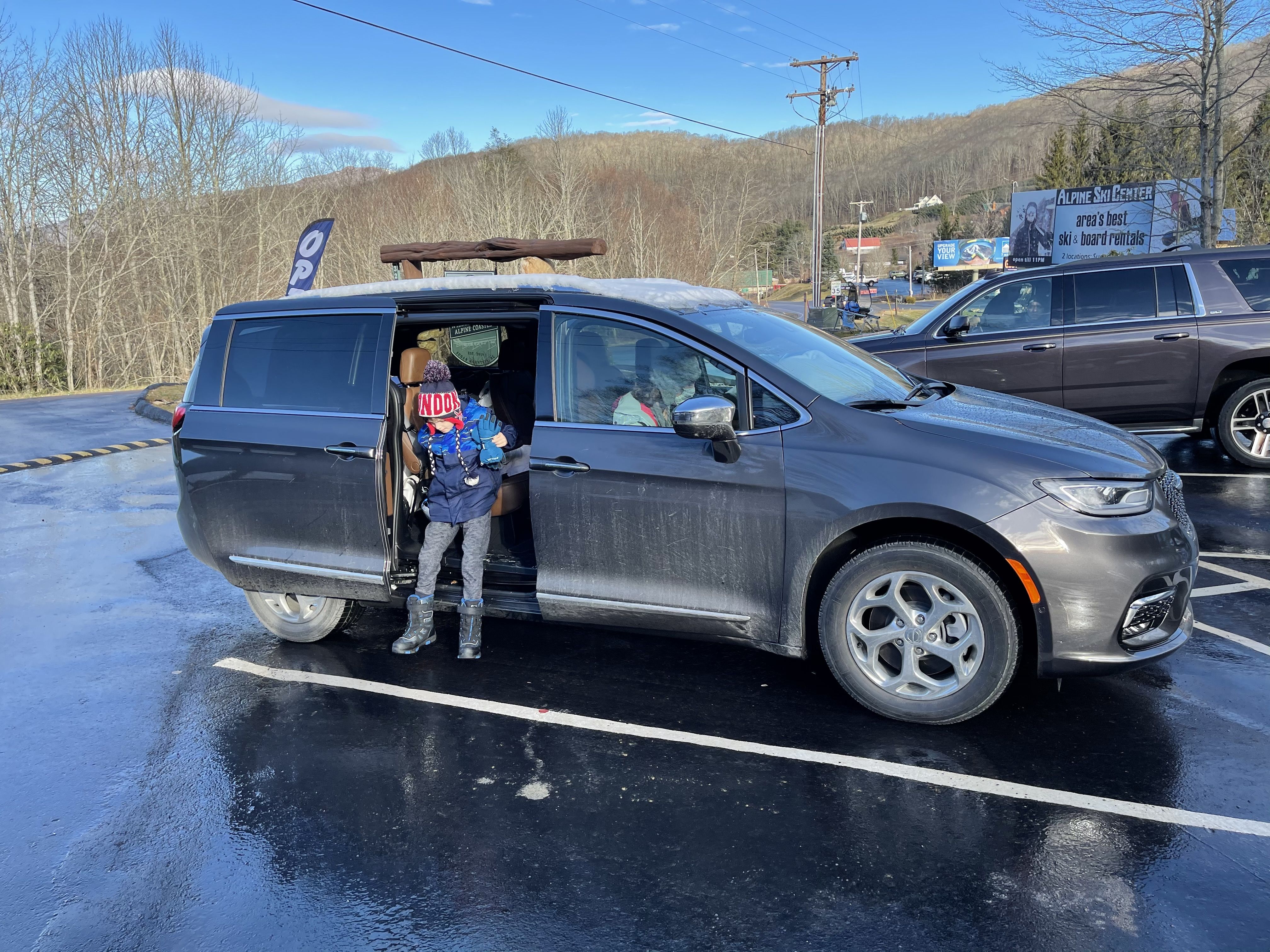
You fought it for so long, but here you are- you own a minivan. It might not be the coolest-looking vehicle but by golly, these things are pretty great. Sliding doors, DVD players in the back, tons of room for your kids, their stuff, and your stuff. But did you know that you can make your van even better? 

These minivan organization tips come from pro-moms that know what they’re doing and how to make your new ride work for you.

1. Grab Some Custom Floor Mats

Your minivan probably came with a few carpeted floor mats but any pro-mom will tell you that those suckers get dirty fast. Between dirty shoes, spilled drinks, and food crumbs, your new car will quickly start looking like a frat house on wheels. 

Custom carpeted mats like these ones offer a soft and plush carpet look and feel that is easier to clean than the thin, hard mats that your van probably came with. The mats fit your car perfectly, too. You order by the exact make, model, and year of your vehicle so they are made to fit just right, they cover every part of your floor board, and they stay in place.

These premier Ultimate Floor Mats have been around since 1978 and thanks to their multi-layer backing, you get moisture resistance and stiffness so that the mats stay the same shape in which you got them.

You can even order them with your new ride’s logo or customize it with your own name. They come in a variety of colors (over 50) to match your car’s interior and your personal style. And just to be on the extra safe side, there is a five-year warranty.

2. Over-the-Seat Hooks Keep Stuff Off the Floor

Another great minivan organization tip is to get over-the-seat hooks. These help keep things like coats and backpacks off the floor so you don’t have things thrown all over the place. 

It also helps keep everything in place during road trips as well as the school drop off and pick up. You can also keep a bag full of extra clothes, undies, diapers and wipes hanging back there for any emergencies.

3. Move the Seats to Fit Your Needs

One of the greatest things about minivans is your ability to remove seats to suit your needs. One mom suggests removing the right or left second row seat, leaving an open space for kids to access the backseat. 

This makes school drop off and pick up a breeze and prevents anyone from stepping all over your seats (or looking like they are trying to climb out of the womb) to get in and out of the back row.

It also allows easy access to buckles for car seats for parents and an open spot in the back for things like sports bags and even pets who might be along for the ride.

4. Keep it Clean

A clean van means a happy driver. Messes in your new van are going to happen because, well, kids. But you can keep it clean even on the go if you keep some extra cleaning supplies in a trunk organizer in the back. Here are some good things to get you started:

  • hand wipes
  • leather wipes for seats
  • disinfecting wipes
  • a battery-operated handheld vacuum
  • carpet cleaner or spot remover to ensure your new mats stay clean
  • paper towels
  • grocery bags to throw all the gross stuff away

5. Keep it Organized

As a mom driving a minivan you are going to have quite a bit of “stuff” to manage during the regular day-to day-trips. Keep things like wipes, garage bags (for those unexpected, “Mom, I feel like I’m going to be sick moments” and any potty accidents), as well as hand sanitizer, extra napkins, and ChapStick handy and in an easy-to-access location. Knowing where to find these items during a crisis moment is half the battle.

Another minivan organization tip is to keep a mini trashcan in the front seat. This way all those wrappers and lollipop sticks can go right in the trashcan and not on your nice new floor mats.

6. Toys and Trays

A great way to keep the kids tame and to keep your cargo van clean is to put a fabric bin of toys, coloring books, and books between the seats or on the floor. If you are going on a long trip, you might want to invest in some seat trays for activities and for eating.

Your minivan will be like your second home. You will spend so much time in it that it ends up being a restaurant, a closet, and a transporter. But with these minivan organization tips you, can make sure your van stays clean, organized, and more efficient for you and your family to use.

Posted in Uncategorized

GPS Tracking and Performance Monitoring for Refrigerated Trucks

Refrigerated LTL Shipments: What You Need to Know – Redwood Logistics :  Redwood Logistics
GPS Tracking and Performance Monitoring for Refrigerated Trucks

When moving perishable goods over long distances, it’s absolutely vital that those good are moved as quickly as possible while in tightly-controlled conditions. This is why countless companies rely on refrigerated trucks to transport perishable goods such as fruits, vegetables, ice cream, and frozen food.

However, managing a fleet of refrigerated trucks introduces new challenges.

For example, if the refrigeration fails during transit, the entire load of perishables may be lost. Also, a significant delay in getting to your destination may put some perishable goods with a shorter shelf life past their sell-by dates. Additionally, there’s a greater need for maintenance and power consumption with refrigerated trucks.

Detecting Refrigeration Failures

One of the biggest worries with any shipment of perishable or frozen goods is that the refrigeration in the truck may fail, causing a loss of all product in the shipment.

The issue is that, unless the driver is constantly stopping the vehicle once every couple of hours to get out of the cab and into the refrigeration unit to check the temperature, it’s all too easy for a refrigeration failure to go undetected long enough for the cargo to spoil.

GPS tracking for refrigerated trucks can help alleviate this worry. Specially-designed GPS trackers for refrigeration trucks can include special capabilities such as temperature monitoring, which is incredibly useful for detecting a refrigeration failure straight away.

With temperature monitoring, you can set a temperature alarm for each refrigerated truck being tracked in your fleet management software so that when a trailer’s temperature gets too high, you’ll be alerted right away.

This cuts the time it takes to respond to a refrigeration failure down from hours to mere minutes, giving you the chance to save the perishable cargo by either fixing the issue causing the refrigeration failure or transferring the load to a different truck with working refrigeration.

Better yet, GPS tracking software allows you to create a trip report complete with a temperature readout of the trailer at the time of each update sent to RASTRAC. You can show this report to your customers as proof that the temperature in the refrigeration trailer consistently remained at the required level throughout the trip.

Preventing Breakdowns

On the road breakdowns are bad enough with regular cargo deliveries. With refrigerated products, such breakdowns can be disastrous.

GPS tracking systems for refrigerated trucks can help to prevent costly breakdowns on the road by providing you with automated engine performance reports for your fleet vehicles. With these reports, you can identify which vehicles need preventative maintenance and when.

This helps you optimize your preventative maintenance scheduling so that vehicles don’t break down while transporting perishable, time-sensitive cargo.

Improving Route/Detour Planning

When dealing with long-distance cargo delivery routes, it isn’t always possible to anticipate every instance of road construction, traffic accidents, and other random events that can cause traffic to come to a grinding halt.

GPS tracking for fleet vehicles can make it easier to change a truck’s path once it encounters heavy traffic, allowing you to reroute the vehicle along roads that are less congested so that delays are minimized.

This helps keep trucks on-schedule for deliveries of highly perishable goods, maximizing their saleable shelf life.

For companies with refrigerated trucks and other specialty equipment listed among their fleet vehicles, using GPS tracking and remote diagnostic equipment is a must to maintain peak efficiency and prevent costly equipment failures.

Posted in Commercial Van, sprinter commercial van, sprinter work van

The Best Campervan Flooring and Top Installation Tips

Van Conversion: Floor Layers and Materials – Bearfoot Theory
The Best Campervan Flooring and Top Installation Tips

You bought your sprinter commercial van and are finally ready to begin building. One of the first things you will want to do is start on your campervan flooring. Your flooring consists of a few parts; metal van floor, sound dampener, insulation, plywood floor. Each part of your flooring is important as it is the base for building the rest of your van. 

We have built out two large cargo vans, the first being a sprinter, and the second a Ford Transit. For our Sprinter van flooring, we made a few mistakes, and now while working on our campervan flooring for the Transit we were able to try new methods and see how well they work. 

From the best campervan flooring to installation, learn the methods that we used for our campervan flooring plus optional methods that might work for you.

Types of Campervan Flooring

First, you need to consider what kind of flooring you want to have in your campervan. Once you have a subfloor, my recommendation is to wait until the build is mostly finished before adding your top van flooring.

I say this for a few reasons; one being to save your floor from scratches or paint, the next being that you don’t need nice flooring everywhere since there will be a bed or cabinets on top of it anyway, and the third is you will substantially save money by only putting flooring where you can see it. Not to mention, if you ever want or need to change out your flooring, it will be an easy fix as you will have access to the flooring. 

There are a few types of flooring that are available for your campervan. These are the more commonly used flooring options and the ones I would recommend.

Life Proof Vinyl Flooring (Our Recommendation) 

We recommend vinyl flooring for campervan flooring for many reasons. It’s waterproof which is super important in your van flooring because you don’t want to risk the floor molding.

Mold in a small area will quickly become problematic and could even cause rust, not to mention the health effects mold can have on you in such a small area. Vinyl flooring is also known for high durability and on the road, you will be in and out of your van, in the rain, mud, sand and possibly with dogs wearing on it. Therefore you need something durable for your vanlife flooring. 

In our Sprinter van flooring, we used a random brand of vinyl flooring. After a year it had scratches, cracks at the seams, divots and needed to be replaced. This time around we decided to go with LifeProof vinyl flooring as it is much thicker and known for its durability. We also know vanlifers who have used this flooring and it seems to last much longer. 

Pros: 

  • Most durable option
  • Waterproof
  • Easy Installation
  • Scratch Resistant (LifeProof brand)

Cons: 

  • Most expensive option
  • Can off-gas

Non-Toxic Cork Flooring

Cork flooring is another van build flooring options that some people choose on the road. The main reason being that it is non-toxic which if you have any health problems, then this may be a must for you. It is mold resistant, doesn’t off-gas, and is durable. 

A plus is that cork is a sustainable option. 

Pros: 

  • Non-Toxic
  • Sustainable
  • Cheaper Option

Cons:

  • Pets can more easily damage flooring with nails
  • Needs sealer on top to prevent damage
  • Spills can stain flooring if not quickly wiped up 

Rubber Flooring

A very easy to install campervan flooring option is rubber coin grip flooring. This is a great option to use in your garage or on your entire floor build if you are an outdoor enthusiast. If you will be constantly surfing, snowboarding, or biking and are worried about wear and tear on your flooring then this might be a great option for you.

Pros:

  • Durable
  • Waterproof
  • Cleans easily

Cons:

  • Not super stylish – Honestly comes down to aesthetics
  • If there is a tear, you would have to replace the entire floor
  • Possibility for moisture to form under mats which can mold and rust the flooring

Laminate Flooring (Not Recommended)

Laminate flooring is another option we have seen in the vanlife community but we personally do not recommend it. I wanted you to be aware of the option but it’s not something we would recommend or use ourselves in the van.

Laminate is essentially the IKEA of flooring, it is compressed wood with a wallpaper-like covering on top of it. It’s not a great choice in general and definitely not a good option for your campervan flooring. 

Pros: 

  • Easy to Install
  • Cheap

Cons: 

  • Not durable
  • Molds Easily
Posted in Van Ladder Racks

Racks for the Vans

Aluminum Ladder Racks for Trucks and Vans
Racks for the Vans

ErgoRack

Lightweight, Safe and Easy

The design philosophy starts with the worker – how can we make the job safer, easier and more comfortable for the human body? That is because the firmly believe that a product’s design and how it impacts the user is every bit as important as the quality of materials and construction.

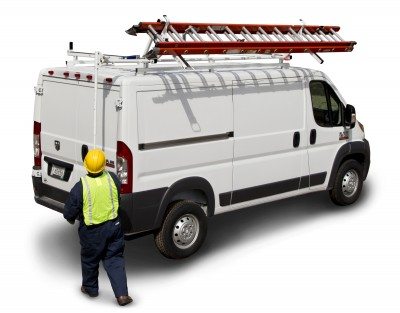
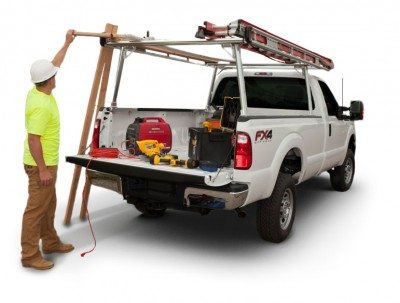
The ErgoRack to reduce muscle stress, eliminate risk of injury and speed the job of loading and unloading ladders from a work van.

AluRack

Aerodynamic and Lightweight

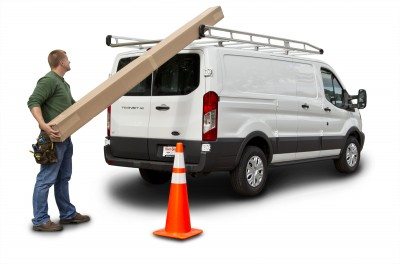
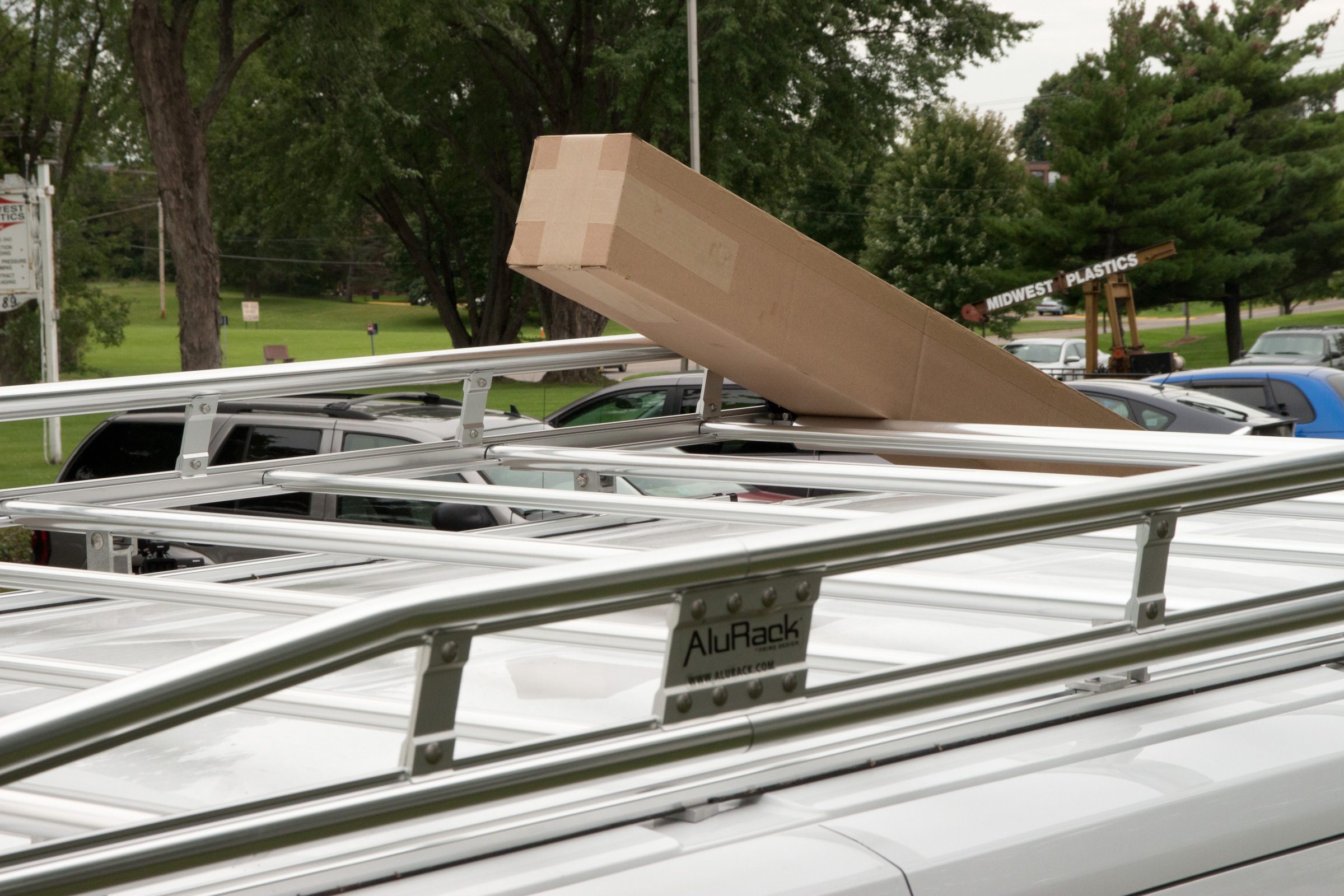
Work hard, look stylish and stay safe. The AluRack features the industry’s original rolling bar, which makes it safe and easy to load bulky sheets of plywood, drywall, pipe and even weekend toys from the back of the truck. The lightweight, yet rugged design can carry all of your cargo and withstand challenging weather conditions.

Plus, the aerodynamic design looks modern, reduces fuel consumption and ensures almost silent travel.

DeployPro™

Safe, ergonomic, and productive

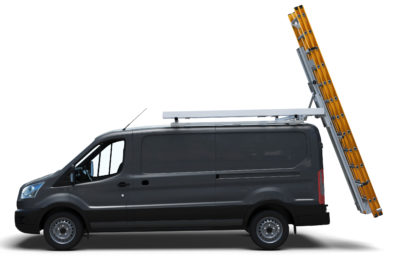
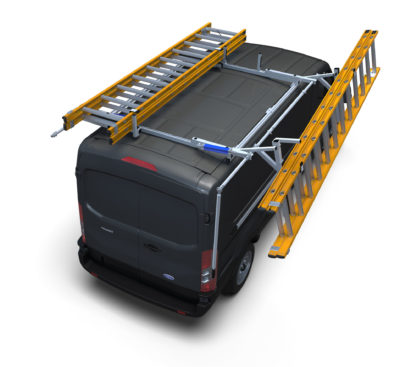
Upgrade your fleet vehicle’s ladder storage solution with the DeployPro™ system – the industry’s only ergonomic, rear deploying solution for safe and productive fleet vehicles.

The DeployPro™ design philosophy started with the worker – how can the job be safer, easier and more comfortable for the human body?

The rear deploying design allows the user to safely load and unload ladders from behind the vehicle, shielded from potential road hazards or traffic. The system’s ergonomic features help to protect the operator from muscle stress, strain and fatigue.

This system mounts to the crossbars of a compatible ErgoRack. Get your fleet or business started today on the road to safety and productivity.

Professional Truck Rack

Lightweight, Truck Tough

The Professional Truck Rack™ is lightweight, yet rugged enough for the construction site. It works hard and plays hard, and can carry the necessary equipment for both.

The ergonomic design helps keep employees safe and worker compensation claims low, while the patented base model mounts easily to the truck bed and transfers from vehicle to vehicle.

ErgoRack Low Profile

Simply the Most Advanced Rack Technology

The S.M.A.R.T. generation ErgoRack has arrived! Designed to fit within the narrow dimensions of a rail car when installed on your work van, the latest innovation shifts installation from delivering dealership to original up-fitter for consistent, quality, professional installation, easier delivery, and cost reduction.

The award-winning, ergonomic ladder racks have helped fleets around the world reduce muscle strain, reduce risk of injury, and speed the job of loading and unloading ladders from a work van.

Rear Door Access Ladder

Add capability and enhance worker safety and productivity

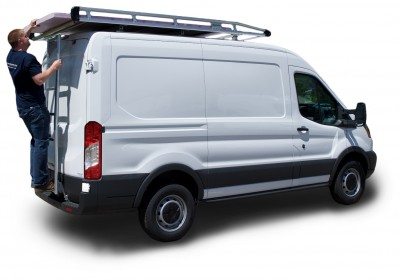
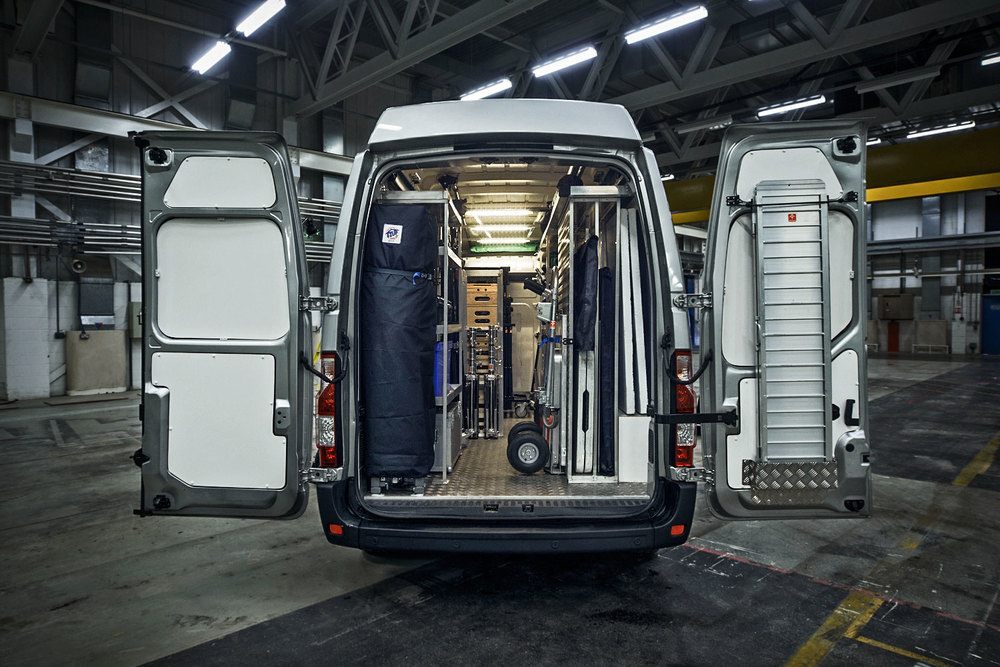
The rear access ladder, made of aluminum, can be fixed to the vehicle without drilling and thereby avoiding any damage to the bodywork. Additionally, this ladder can be re-used on the next vehicle of the same type.

Enclosed Utility Body

Lower risks. Reduce Costs. Improve productivity.

Keep productivity high and lower the risk of injuries and worker compensation claims by installing the only ergonomic ladder racks for vans.  With different configurations for open and enclosed service bodies, chances are to meet your needs.

Posted in sprinter work van, Van Ladder Racks

Van Ladder & Cargo Racks

Aluminum Ladder Racks for Trucks and Vans
Van Ladder & Cargo Racks

Prime Design Ergorack

The ErgoRack is, hands down, the safest and fastest way to store and secure a ladder on your truck, van, or service-bodied vehicle. Using advanced designs and hydraulic cylinders, the ErgoRack makes retrieving or storing a ladder on your work vehicle a “two-finger” operation.

No more climbing on tires, perching on bumpers, and struggling to get ladders off your vehicle on tip-toe. With today’s trucks and vans sitting higher than ever before, the ErgoRack isn’t just a neat idea, it’s the perfect drop down ladder rack for the job.

Prime Design Alurack

When the Alurack ladder rack was designed, it was the first rack of its kind to feature rollers to make loading and unloading easier than ever before. Imitators have tried to flood the market, but the original is still the best and when the AluRack is combined with the many options we can offer, you’ll have one of the lightest, strongest, and best-looking ways to stow materials and ladders out of the way for easy transport and loading. Our aerodynamic design saves you money at the pump, too, by utilizing lightweight anodized aluminum that looks great and easily withstands harsh weather.

Ranger Design Cargo+ Rack

Ranger Design offers over 100 different custom racks for nearly any van ever made. From the most basic cargo rack to uniquely designed double drop-down racks using hydraulic dampers to ensure safety, Ranger has made a point of giving users tremendous flexibility for maximizing their cargo capacity.

Using a lightweight but extremely strong aluminum alloy that has been powder-coated for durability, Ranger Design roof racks give you unlimited options, durability, and good looks.

Tough, Quiet and Easy to Use!

  • Military grade aluminum & stainless steel components
  • No corrosion over the lifetime of the rack
  • Aerodynamic crossbars reduce wind noise
  • Cargo+ has a full width stainless steel roller to make loading and unloading easy
  • Fits most Transit, ProMaster & Mercedes cargo vans

Weather Guard

Weather Guard is one of the oldest names in truck accessories, dating back to 1960. In that time, you can bet they’ve learned what works and what doesn’t and that is reflected in the ladder racks they build.

The beauty of a Weather Guard ladder rack is they offer all the options you can use – choices of material, how it is mounted on a vehicle, and a full range of offerings for any truck. As a matter of fact, that’s one of the reasons we like Weather Guard racks so much – they make it easy to find the right one and build them tough, so chances are, they’ll outlast your truck.

Posted in Van Ladder Racks

ALURACK ACCESSORIES

MULTIFUNCTIONAL ACCESSORIES FOR YOUR ALURACK

Aluminum Ladder Racks for Trucks and Vans

Each van ladder racks has its own purpose. Professionalize your car with additional accessories to adapt your working vehicle to your daily needs. Discover our range of accessories for the different AluRack roof racks.

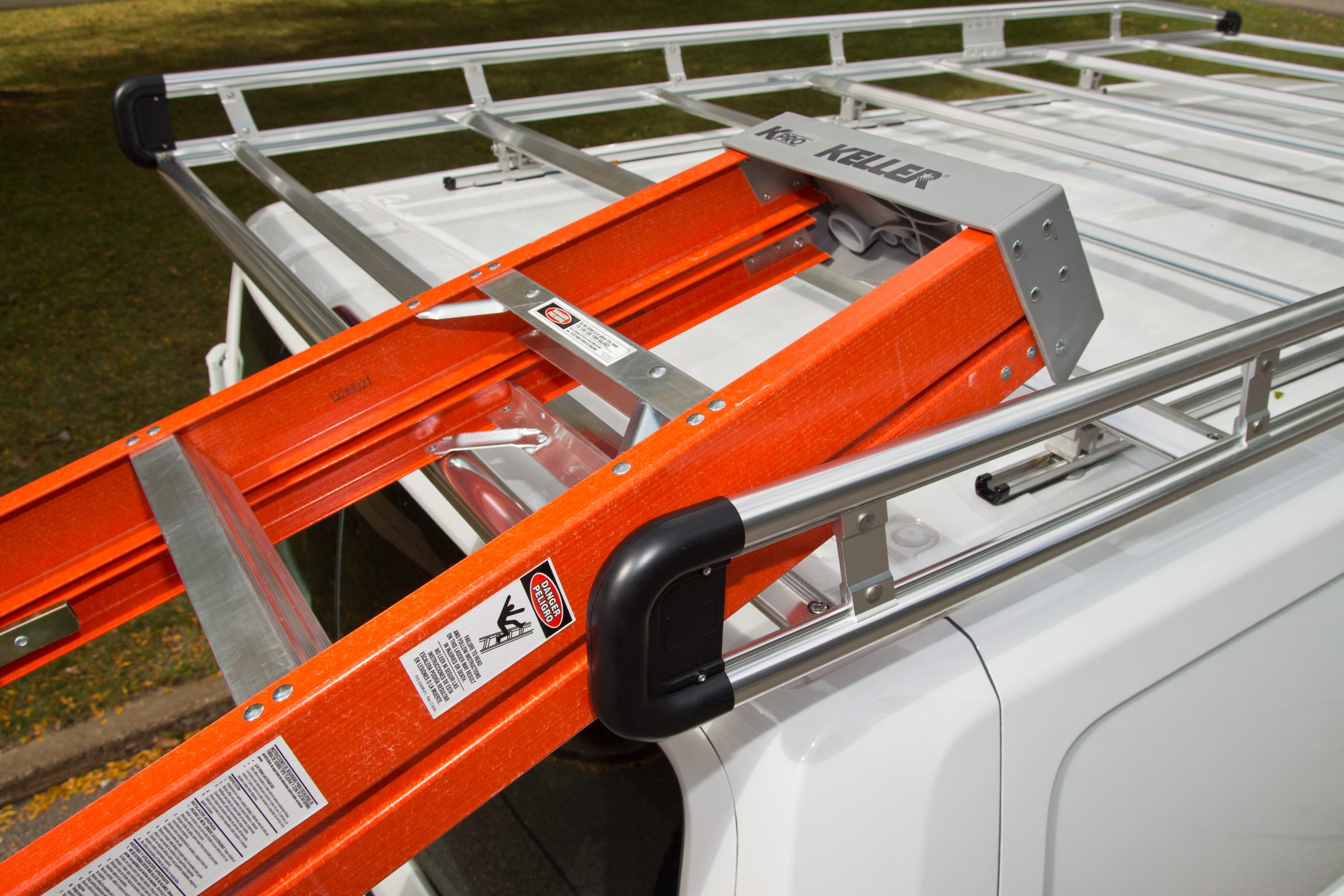
S-CLAMPS-CLAMP, THE UNIQUE FEATURE FOR EASY AND EFFICIENT TRANSPORT OF LIGHT STEP AND EXTENSION LADDERS ON LOW ROOF VEHICLES.

Every S-Clamp secures the ladder with a gas spring assisted hook. The hook at the front of the rack assists the operator to position the ladder on the roof rack. By using the handle, the hook in the back comes in an upright position and fixes the ladder for safe transport. No straps and ties are required. The use of a padlock prevents easy theft of the ladder.

An important effect is the reduction in handling time : the time to (un)load a ladder can be reduced from 240 seconds (4 minutes) to 20 seconds which is a reduction by 80%. This is an investment with a high ROI.

CLAMPABLE ALUMINIUM LADDER

Discover the benefits of our backdoor ladder

  • Our new ladder guarantees optimum safety for the daily loading and unloading of your goods on our AluRack roof rack.
  • Thanks to a handy clamping system this light aluminium ladder can easily be installed by one person without having to drill into the bodywork. That way, your vehicle preserves a high second-hand value.
  • You can easily re-use the ladder on your next vehicle of the same type.
  • The aesthetic, light aluminium design is corrosion resistant and durable. On top of this, the low weight of the ladder ensures reduced fuel consumption.
  • The door ladder is currently custom-designed for the Ducato, Sprinter, Crafter, Boxer, Jumper, Movano, NV400, Master and Daily. Your ladder will precisely fit the dimensions of the rear of your company vehicle and will not interfere with your daily work. Soon it will be available for other models as well!

MORE HELPFUL ACCESSORIES FOR THE ALURACK ROOF RACK SOLUTIONS

  • Aluminium conduit tube

Aluminium conduit tube (2-5m long, 125 mm in square), lockable on both sides. Mounting with a bracket onto crossbars, so that the interior space can be completely used for loading.

  • Conduit tube bracket

Special round brackets to fix standard plastic tubes.

  • Beacon mounting bracket

With special mounting brackets the beacon may be mounted onto the crossbars.

  • Cargostops for AluBars

Cargostops to position long objects on the crossbars.

  • Roller for AluBars

The additional roller for easy (un)loading of long objects from the rear.

  • Roller for AluRack

The roller, which can be easily installed at the rear of the roof rack ensures comfortable (un)loading of long objects.

  • Platform elements

Aluminium ribbed profiles can be mounted on top of the crossbars to form a cargo platform (length 2-5 m, width 17cm)

  • Cargostops for AluRack

Adjustable cargo stops to fix long objects on the roof rack.

Posted in cargo van, Commercial Van, sprinter work van

Choosing the Right Delivery Vehicle for Your Retail Business Fleet

Canoo unveils its second all-electric vehicle, a multi-purpose delivery van
Choosing the Right Delivery Vehicle for Your Retail Business Fleet

With holiday sales expected to reach over one trillion dollars, and Cyber Monday projected to be the largest online shopping day in US history, a record number of retail delivery vehicles will be on the road this holiday season. To meet the higher demand, retail fleets must strive for optimum performance. 

Whether buying a new fleet or upgrading an existing fleet to meet the growing demand, fleet managers need to choose a delivery vehicle that’s affordable, reliable, and practical for the needs of the driver and business. Here we provide a quick guide to help fleet managers sort out which delivery vehicle type is the right option to meet their retail delivery needs. 

Box Truck (aka cube truck)

Box trucks have been the workhorses of the moving and retail delivery industry for generations. If your business delivers appliances or furniture, this is probably the right fit for your fleet. Box trucks are made by adding a larger cube-shaped cargo area to a chassis cab, making the cabin and cargo areas separate (some models include a smaller door leading from the cabin to the cargo area). 

Box trucks can usually carry a sizable load while still being able to maneuver crowded downtown areas or neighborhoods. The rear door is typically a roll-up door that provides easy access to the cargo. Box trucks can also be fitted with a stow-away ramp or a hydraulic lift making them ideal for delivering heavier retail items.   

The downsides: Rear visibility can be challenging, but this is easily overcome with experience and the right mirrors. Since it’s a sizable heavy-duty truck, maneuverability in small areas can be tough for even experienced drivers. Their larger capacity requires a larger, more powerful engine which translates to higher fuel consumption.  

Multi-Stop Truck (aka step van or walk-in truck)

If your fleet is regularly delivering larger parcels or a high volume of packages, a multi-stop truck can be a good match. These delivery vehicles are most notably recognizable as the bread-and-butter workhorse of FedEx and UPS. But they can also be a great option for small business fleets – food trucks, bakeries, and dairies to name a few. 

These taller style delivery vans allow the driver to stand up comfortably inside a cargo area that is spacious and easily convertible to suit business needs. The driver can also access the cargo area from the cab or from the rear of the vehicle. They are generally lower to the ground with steps leading to the driver seat and to the rear cargo area, thus the name step van.  

The downsides: There aren’t many downsides, but, like the box truck, multi-stop trucks can be tight in small areas and can have rear visibility issues. 

Cargo Van 

Smaller, but similar to the multi-stop truck, the cargo van is perfect for delivering small- to medium-sized parcels. Cargo vans usually have side doors and rear doors to access the cargo area. They can range in size from more compact sizes like the Ford Transit Connect to larger vans like the Mercedes-Benz Sprinter, which is closer in size to a multi-stop truck. Cargo vans are very versatile, and their more reasonable size makes for easier maneuvering in tight spaces.   

The downsides: They are less ergonomic than a multi-stop or box truck because loading and unloading can require bending or kneeling. Cargo vans typically do not come with a separation between the cab and cargo area, which can make hauling some retail goods without modifications to the cab impractical or even dangerous.  

Light-Duty Truck  

Like it sounds, the light-duty truck or pickup truck is used for more lightweight payloads – up to two tons. Light-duty trucks are perfect for smaller retail deliveries. Because of their size, they are much easier to maneuver and park. They can also be more fuel-efficient than any of the previous options.  

The downsides: Their capacity is limited compared to box trucks and multi-stop trucks. They come standard with an open bed, which makes hauling sensitive cargo impractical without the addition of cover.  

Conclusion

Once fleet managers identify the right option for their delivery fleet, the real work begins. Finding a delivery vehicle with a decent resale value, fuel economy, durability, and reliability will take further analysis.

Posted in Commercial Van, wheelchair van

Tips for Buying a Used Wheelchair Van

Side Entry Wheelchair Van | Legend II by AMS Vans
Tips for Buying a Used Wheelchair Van

With a new wheelchair accessible van likely to set you back upwards of $60,000, a good used van at a lesser price can be an appealing alternative. Whether via personal ads, online listings or a dealer, the wheelchair van for sale of your dreams is probably out there, waiting for you to roll in. The trick is sorting through all the nonsense to find it and then confirming it really is everything you thought it was.

Finding the Right Van

Listings for used accessible vans for sale by individuals can be found virtually anywhere and are common at Disabled Dealer, which serves as a marketplace for all types of new and used equipment needed by the disability community. Some mobility equipment vendors host listings from private individuals on their websites.

Another option that alleviates most of the work and many of the concerns about buying a used accessible van from a private party is to purchase a certified pre-owned vehicle from a mobility equipment dealer.

These are vans that have either been taken in as trades on purchases of new vehicles or purchased outright by the dealership for the purpose of refurbishing and reselling them. Purchasing a used van from a dealer that specializes in mobility equipment sales and service has many advantages.

Specialized dealers are often staffed by savvy wheelchair users, like Jemal Mfundshi, a C6-7 quad, who knows the ins and outs of different models and options better than most.

He has been helping customers of Performance Mobility (now United Access) in Portland, Oregon, for almost 20 years and points out that each of the refurbished vans they offer for sale undergoes a thorough evaluation, is appraised to determine its value for possible financing, has new floor covering installed, and undergoes a thorough mechanical review with repairs completed wherever necessary.

That entire certification process can take about 20 days. Performance Mobility (now United Access) requires each wheelchair user who intends to drive or ride as a passenger in the van to take a needs assessment to ensure the van will work for them. Besides the height of the user and weight of the mobility device, a needs assessment will also determine if a buyer needs a driving evaluation due to changing hand controls or the method of driving the vehicle.

Many mobility equipment dealers are part of a network that specializes in a particular brand of vehicle or region of the country. Eddie Rivera, co-owner of Absolute Mobility Center in Woodinville, Washington, points out that his company is part of a nationwide network of BraunAbility dealers. That provides the dealership with advantages that may not be available to smaller, independent dealers.

Besides selling new vans, they receive pre-owned vans from BraunAbility after they have been repaired and refurbished. These vehicles are sold with a three year, 36,000-mile warranty on all conversion components. That warranty is then honored by all members of the BraunAbility dealer network, which can provide peace of mind when traveling at a great distance from the dealership that sold the vehicle.

The services provided by the companies listed above are just a few examples of the types of services available from mobility equipment dealers when shopping for a used accessible van. When you combine the inventories of such dealerships with the number of vans available from private sellers, there are a surprising number of used accessible vans out there. Now you know how to find them.

The Inspection

Once you’ve found the used van of your dreams, it’s critical to make sure it really is everything you thought it was. If you’re buying from a reputable dealer, there is a good chance they offer extensive inspections, guarantees and/or warranties.

As an example, Scott Andrews, the director of sales and marketing for Rollx Vans in Savage, Minnesota, says that each of the pre-owned vehicles Rollx offers for sale receives a 171-point inspection in order to allow the company to guarantee satisfaction and offer a 30-day warranty.

If you decide to buy from an unknown individual, it is even more important for you to do your due diligence. Make certain that the seller is legitimate. If the seller claims to be a business, is there an actual store or business location where the van can be inspected and repaired?

Personal ads placed online may not be accurate, as there is usually no requirement or process for the host website to verify the condition of a vehicle. Insisting on a first-hand inspection by you or your qualified representative is a must.

A pre-purchase inspection of any vehicle should include some basic items. Mechanical condition is important, but some indicators of the vehicle’s condition do not require the expertise of a mechanic, such as:

• Fluid levels, like oil, power steering and cooling system fluids. If any of them are low, it may be an indication that there is a leak somewhere, so check beneath the vehicle to see if there is any dripping where it is parked.

• Signs of wear and tear that might indicate that the vehicle was used in commercial service prior to being offered for sale.

• Excessive or unusual tire wear patterns that may indicate problems with the suspension or that the van was damaged in an accident.

• The vehicle title: Make sure that it is “clear,” and owned by the individual who is selling it.

• A Carfax report, which will identify some service records and any prior accidents that necessitated major repairs.

• Warranties that are still in effect for the vehicle and any assistive devices like lifts or ramps and the remote controls and switches that  operate them. Also, are those items still available if replacement is necessary?

The next step when buying from a private party is to obtain an independent mechanical inspection from a certified mechanic. Some insurance carriers, like the American Automobile Association, operate facilities that make those types of inspections available to their members.

A mechanic can check braking systems, suspension, engine compression and that all lights are working. They can also learn if there are any manufacturer’s recalls in effect for the particular vehicle and can check the van’s computer record to see if there are indicators of repeat breakdowns of a component.

Posted in Commercial Van, News & Updates, sprinter commercial van

WHAT ARE THE ADVANTAGES OF ROAD TRANSPORT?

New 2020 Mercedes-Benz Sprinter Cargo Van Full-size Cargo Van in  Fayetteville #B041192 | Superior Automotive Group
WHAT ARE THE ADVANTAGES OF ROAD TRANSPORT?

Roadways are a crucial means of transport in America. They provide people and sprinter commercial van to commute a wide range of locations and help them to reach their destination without any hiccups. Road transport is the process of transporting goods or people from one destination to the other via roads.

Road transportation is still the most heavily used mode of freight delivery service. Even though marine, air or rail transport would be largely used means of solution for bigger size freight services for long distances, road transport will be dominating the freight delivery service across America for a long time.

With the evolution of the transport industry and the growth of many freight delivery service companies in the world, it would be very much unclear for the person in need of transport facilities in deciding which mode of transport would best suit their requirements. Hence it is important to understand the distance, the volume of delivery goods and speed of service for deciding on which model to prefer.

Road transport is the most used of all the transport services available in the industry with the best freight delivery service. If you even use air/water/train transport for transporting goods from one country to another, you must use road transport for delivering them to their precise destination.

Advantages of road transport:

  1. Less Capital Expense:

There are many advantages to road transport services when compared to other modes of transport. When you look at the capital required for road transport, it is very less than the other means of transport like air, water or rail. Even the charge for constructing, maintaining and operating roads is very less than that of railways and air transport.

  1. Door to Door Service:

The unmatched benefit of road transport is that it gives door to door service for all the freight deliveries. Road transport is the only extensive system that gives transportation to the final destination. When you compare this to a rail or air transport where you need to make a delivery to the transportation terminal and get into the rail or plane after completion of several security checks. Later after reaching another terminal you have to take another mode of road transport to reach your place of destination. Also, these transportation terminals are usually not inaccessible areas as compared to road transport. With road transport, you can just load the items from your place, drive and unload it right at your required destination.

  1. Service in Remote Areas: 

Road transport is best applicable for transporting goods to and from remote areas that are not connected by other means like rail, air or water transports. The trade-off for goods between cities and small villages happens majorly via road transport.

  1. Flexibility:

Road transport possesses has a huge benefit from other modes of transport, that is the flexibility which it provides. The routes and timings can be altered easily and quickly according to individual needs without much problem.

  1. Suitable for Short Distance:

Road transport provides a faster and less costly means of transporting goods over short distances. Other modes of transport like water, air or rail may incur delays in transit of goods with loading and reloading required in multiple locations. In road transport than it can be loaded directly into a single vehicle and later transported directly to the final destination.

  1. Lesser Risk of Damage in Transit:

As the multiple instances of loading and reloading are negated, there would be very little chance of harm to the transported goods. Hence road transport is best suited for transporting delicate goods that have more possibility of being damaged during numerous stages of loading and unloading.

  1. Packing charges saved:

The procedure of packing the goods in road transport is very minimal while compared to other means of transport, where they would need to ensure safety for multiple loading and unloading process.

  1. Rapid Speed:

If you need to transport goods with short notice, then road transport is much preferred that rail or water transport. With the other transports, it requires extra time to book the goods and taking their delivery.

  1. Less total cost:

With road transport, you will not only need only less investment to start with but the capital for operating and maintenance is relatively less. When you consider all the costs of multiple loading and unloading, packaging, etc. the overall cost of road transport will be less.

  1. Initiating own road service.

Another benefit of road transport is that if you have frequent delivery of your products or any other business-related items, then you can start your road services by your private vehicles, according to your capital investments. This will help to deliver the products without any delay regularly. Road transports also have provisions to use any type of vehicle like private cars, public buses, sharing vehicles, two-wheelers, etc. This will meet the needs of different kinds of services.

  1. Connecting other Modes of Transport: 

Even if air or rail transports may be used for long-distance transports, the end destinations in both the starting and end phase require the use of road transport. It acts as a connecting link to other modes of transport.