A refrigerated truck can be vital to businesses that need to transport goods at a certain temperature.
For example many food products will need to be transported at a certain temperature in order to prevent them from going off or out of date. There are plenty of different styles and types of refrigerated van available; therefore choosing the right refrigerated van can be an important decision and a costly one if it is not made correctly.
In this blog entry we have put together some top tips and things that you should consider when choosing your refrigerated van.
It is important that you provide the seller or the company converting your vehicle with as much detail as possible so that they can help you work out which type of van will be most appropriate for your industry specific needs. You might want to consider…
What temperature do you require your goods to be chilled at?
This depends on what food you are transporting. For example, ice cream needs to be at -20 and frozen meat no warmer than -15. If you’re carrying bread or cold meat you would be using just chilled operation at around plus 2 or 3, similar to a home refrigerator temperature.
Do you require a chiller van or a freezer van?
Again this will require you to think about the type of products/ goods that you are going to be transporting in these vehicles. Some conversions will allow you to split the temperature in the van so that you can transport good that might require different storage temperatures. All RVR vans have dual compartments, allowing you to carry foods at different temperatures.
Will you need to defrost the goods in your van?
Most vans will defrost on a timed basis. Systems and kits can also be installed to help maintain a constant temperature within the van. All RVR vans have an automatic defrosting system.
Will you need to keep the van refrigerated overnight?
Some vans will allow you to attach a plug in electric stand that will allow you to keep the goods in your van refrigerated and cooled over night without the need for the van engine to be kept running. This can often be a cost effective solution for storing your food at the correct temperature required. All RVR vans have this facility.
How long are you going to need your van for?
Varying contracts can usually be taken out on hiring a refrigerated vehicle. This can range from day hire to weekend hire, monthly hire to seasonal hire or long term contract hire.
Remember a good refrigerated van business should be able to help you with all your refrigerated needs.
What do you love the most about getting a new wheelchair van (WV)? Is it the excitement of getting the latest make and model? Having a car that is adapted for you? The way it drives or how brand spanky new it looks? In the beginning, you will be keen to keep it looking new by ensuring its clean and tidy at all times.
As times goes by the novelty of having your WAV soon wears off. Like most things, and you may gradually stop looking after it as well. Instead of continually buying the ‘new car’ air freshener in the hopes of making it smell like it’s new again, why not try these top tips on how to look after a wheelchair accessible vehicle (WAV).
How To Look After A Wheelchair Accessible Vehicle (WAV)
The following tips will help maintain the efficiency of your wheelchair accessible vehicle (WAV) and benefit you in the long run, especially when the times comes to give your Motability vehicle (unless you own your WAV) back at the end of your lease as you may qualify for the ‘good condition bonus’ payment from the Motability Scheme.
Basic maintenance
As for all vehicles, it’s important to ensure your WAV is serviced yearly and MOT tested on time. These must be carried out by a professional garage. Other than service and MOT tests, it’s also important to check oil, water, brakes and fluid levels. It’s a good idea to get into a routine of checking these things on a regular basis as well as checking tyre pressures. This will ensure any problems or wear and tear are resolved as soon as possible. Although I’m not physically able to carry out these checks on my WAV I am responsible for ensuring my insured drivers do so.
Washing
It may sound insignificant but washing your WAV is in fact very important. By keeping the vehicle clean inside and outside will ensure it remains in great condition and protects against any damage to the paintwork. Acid rain, road salt, snow, sun and bird droppings are just some of the main causes of damage.
Ramps & Lifts
Ramps are essential for a WAV. The ramp is what makes the vehicle a WAV after all so it’s important the ramp is kept in excellent working condition. Otherwise, it will become redundant and we don’t want that. Depending on your needs and the type of WAV you have, the ramp may be manually operated or electric. Both should be checked regularly for any damage, wear or tear, dirt build up, faults and oiled as required.
Restraints/Tiedowns
Seatbelts are vital when travelling in any vehicle and that goes for wheelchairs too. Wheelchairs must be secured at all times once inside your WAV. Wheelchair restraints ensure your wheelchair is safely tied down to prevent accidents. It’s important to clean the restraints on a regular basis as dirt buildup can affect the way in which it works and lead to faults. Check for signs of wear and tear and replace the belts if they are becoming badly damaged.
Documentation
Keep all paperwork for your WAV in a safe place so you know where to find it. This is especially handy when it’s time to service, MOT or renew the lease. Emergency contact numbers for breakdowns and tyre repairs are important to always have in your WAV and phone. You just never know when the unexpected might happen so it’s best to be prepared at all times.
It’s been a tough winter and spring, but summer is here and people are hungrier than ever for food truck treats. But is your truck ready to handle the summer rush?
We have got the food truck 101 on how to get your sprinter commercial van as a food truck ready to handle this summer season.
Let’s take a look at what you need to ready your rig in no time!
Make Your Food Truck Shine Like New
Many food truckers are seasonal. Things like weather and other normal wear and tear during the offseason can really bring the look of your food truck down.
The fact is, you have roughly seven seconds to make an impression on a customer and if they have the choice between a sparkling clean and shined up food truck or a dingy rundown rig they are probably choosing the former.
Make sure your food truck looks sparkling clean and you’ll be sure to attract more customers.
Get the Maintenance Out of the Way
Procrastination is not your friend. Do not wait until you are in the thick of the food truck season to fix the leak in the radiator or upgrade your tires.
The following is a maintenance checklist for your food truck:
Oil change
Check tires
Inspect ventilation and exhaust fans
Fill up all fluids
Flush holding tanks
Getting these routine maintenances checked off early in the season will give you more time to focus on promoting the business and creating delicious food.
Keep It Cool
Be sure your a/c system is running at top notch. You don’t want it blinking out on you during some of the hottest and busiest days of the year. Keeping your employees in a comfortable work environment will improve efficiency and morale.
Make sure you also have chilled options on your food truck menu for customers looking to cool off. You might have iced drinks, or frozen desserts on offer.
Amp Up Your Social Media Presence
There are over two billion monthly users on the Facebook platform alone. Factoring in other social media sites like Instagram and Snapchat, you can reach more customers in multiple ways.
Get a jump start on a social media campaign this summer to draw new customers in and keep existing customers intrigued and hungry for more.
Consider posting things like the following:
Promotion swag
The location you will be posted and what time
Daily or weekly specials
Special events that you will be apart of like food truck festivals
New menu items or menu changes
Make sure to take pictures of your food and post them as well! Feedback from your followers will help you promote your food truck and get a feel for what is popular.
Encourage your guests to take photos as well. Consider offering a small discount or reward system for guests who tag your food truck or post photos of their meals.
The Skinny on Food Truck Summer
Keep cool this summer with these tips on how to keep your truck rolling and the customers coming!
Don’t get bogged down in the stress of preparation; instead, get the hard stuff out of the way early so you can be creative and hustle this summer.
Whether you realize it or not, you rely on refrigerated vans every day of your life! In fact, keeping refrigerated trucks at the right temperature when transporting food can actually save you from illness and disease.
About 48 million people get sick from a foodborne illness every year in America. About 3,000 of the 128,000 people who end up in the hospital from these illnesses will die.
If you are starting your own food delivery business or have something perishable to transport, then this article is for you.
The importance of refrigerated truck temperatures cannot be understated. Here is everything you need to know about the importance of temperature regulations.
Why Refrigerated Trucks?
There are many uses for refrigerated trucks aside from just transporting food. For example, refrigerated vehicles are often haul pharmaceuticals that must maintain specific temperatures.
Temperature-controlled transport is also protects fine art and antiques that require a stable climate to preserve them. Personal care products such as perfumes and cosmetics can be damaged by extreme climates and temperatures.
If you’re hauling food or other delicate items you must have a reliable refrigerated vehicle to ensure your cargo arrives intact at its destination.
Temperature Risks
Some foods are more likely to spoil from fluctuations in temperature than others. For example, ice cream will quickly melt if there is an equipment failure during the trip.
This means that refrigerated goods must be checked often to be sure that they are safe and preserved. If your truck’s temperature is not maintained, an entire shipment of food products could be ruined.
Food is vulnerable to bacteria, disease-causing microbes, or pathogens that can only grow at higher temperatures. Food such as meats including chicken, beef, pork, and turkey are more vulnerable to foodborne illnesses.
That’s why making sure to track the humidity levels and the exact temperature of a refrigerated truck is so important. If frozen items within the truck were to thaw, refreezing the food could still result in foodborne illnesses.
Refrigerated Trucks You Can Rely On
Having a refrigerated truck fail you while transporting items is a serious deal. Not only could your entire shipment be ruined but you could also be risking the health of a large number of people.
That’s why it’s important to make sure you are renting or purchasing your refrigerated truck from a reliable source. Before being put to use the refrigerated transport vehicle must be approved by health authorities in the region.
It’s also important to determine what types of food you will be hauling. Find a truck that will maintain the right temperature for your goods—whether heated, frozen, or refrigerated. This will keep your food and your customers safe from food or beverages that have been infected or contaminated by bacteria.
Create the Coolest Truck
When it comes to keeping your business cool, refrigerated trucks help protect your consumers and goods during transportation.
Refrigerated truck temperature is an aspect of your business you can’t ignore. This can make or break your delivery as well as your customer loyalty.
The world as a whole is doing its bit for the environment, and so you should be too.
One of the UK’s largest contributors to climate change is unsurprisingly the amount of cars we have on the road, and companies with van fleet pest controlare a big part of this. While companies like Mercedes-Benz and Nissan are pioneering the new world of electric vans not everyone can afford to totally switch over to the green alternative just yet, and so must make sure their internal combustion fleet is as eco friendly as possible.
Today we are going to look at the 5 top tips we have for making sure your fleet is as green as possible. They’re all simple, and all save you money! So there’s no excuse not to be practising them as an everyday measure.
1. Weight
Now this may seem like a tricky point, especially if you run a courier service with your fleet, but removing the excess weight from your vehicle will mean less fuel is burned on every journey. If you have to carry large loads as part of your business then there will be no getting around that, but try saving weight elsewhere in the car.
Things like toolkits, large jacks and even full sized spare wheels all add considerable weight to the overall payload of the vehicle. Replacing them with compact jacks and space-savers can be a simple and easy way to reduce the emissions of your vehicle. Even items belonging to the driver like spare boots and a large jacket add weight that needs to be moved, it may not make a big difference, but every little helps.
2. Tyres
Properly looking after your tyres is one of the easiest ways to keep your fleet’s environmental impact to a minimum. This is because of the simple principle that objects roll more efficiently with a higher surface tension, for example snooker balls are very hard and so roll very well, and an underinflated football will always provide more underwhelming results compared to one pumped to capacity.
Your tyres are the exact same, and so regularly checking their pressures is vital to ensuring you are not wasting fuel dragging extra material over the road surface. Keeping your tyres at the proper pressure will also increase each of their lifespans, as the surface area of the tyre in contact with the abrasive road surface will be minimised at any one time.
3. Minimise the use of Air Conditioning
This is rich from us, we know. At Cool Running Rental all of our vans use scaled up air conditioning units to lower the temperature inside their storage bays, but we still say limit the use of aircon where you can. The reason for this is that air conditioning units use a large amount of electricity and this puts a bigger strain on the output of your vehicle’s engine. To compensate, it burns more fuel to meet the output.
Next time you’re driving turn the aircon on and listen carefully to the engine, you will hear the revs ramp up perfectly in time with you pressing the A/C button. Now again, we’re not saying don’t use aircon at all, it’s there for a reason and should be used accordingly, but if the day isn’t all that warm, try driving with a window open and breathing fresh air instead. At lower urban speeds the amount of drag caused by having the window open will be negligible compared to the savings in fuel.
It is also incredibly important to make sure your aircon is properly serviced and functional. As with everything efficiency is key, and if part of your A/C system is singing out of tune then this will cause other elements to have to work harder to compensate, resulting in a greater fuel usage (and more than likely an underwhelming air conditioning output). Ensuring your system pressures and refrigerating gases are at the correct levels, and that the system is tuned well will make a noticable difference to your fuel usage.
4. Have your vehicle serviced regularly
There are a myriad of reasons to ensure your vehicles are serviced and maintained properly, but a very important one is the environmental impact your vehicle has. An engine is a finely tuned machine with an acceptable (and importantly regulated) output. Through use and abuse the engine may begin to break down however, meaning that it loses efficiency in key areas. This is completely normal, but it is very important to stay on top of.
A key example of something to monitor and regularly maintain is the oil levels and quality within the engine. As we all know an engine requires oil to run smoothly, but the oil will also need replacing after a certain number of miles. This is because as the oil ages it becomes thicker and more viscous causing it to act more and more like a gel than a fluid. In extremis this could lead to the flow of oil stopping altogether, as it is too thick to fit through the various tubes and apertures in the engine. The efficiency of oil is paramount to the overall efficiency and therefore output and emissions of the engine, and must be taken care of for this reason.
Engine cooling is also an important measure to check, as this is another big part of what keeps your engine running at its best. Ensuring that your coolant and radiator are working properly means that you don’t run the risk of your engine running too cold and wasting fuel, or too hot and eventually exploding. If you begin to notice your engine holding at a different temperature to normal (most likely the centre of your temperature gauge), then have it looked at by a professional as soon as possible to avoid long lasting damage and unnecessary environmental impact.
At Cool Running Rental, we service and clean all of our vans regularly to ensure that they are always running at peak performance. This means that we only put out the bare minimum emissions possible with our vans, but also that we aren’t often caught out with unexpected problems, as all of our vehicles are well looked after and maintained.
5. Driving style
Everyone is guilty of being in a rush sometimes, and this can cause us to employ the driving style normally reserved for racing drivers and criminals on the run. Excessive accelerating and braking may make you feel like you’re getting to your destination faster, but in actual fact it is just wasting fuel and pumping out more emissions, for the sake of a few extra minutes.
Refrigerated trucks are very complex specialist machines that provide an essential service in the transport of perishable goods and vital medicines. These vehicles make a considerable impact on most people’s lives, but due to their background nature not many people pay them much mind. Well here at Cool Running Rental we want to change that, and so today we will be looking at exactly how these modern machines are born.
What is a refrigerated van?
Before we get started, let’s look at what actually makes up a refrigerated van.
A refrigerated vehicle can be any class of vehicle; be it van, lorry or train car, that has been adapted to have a temperature controlled storage compartment and an onboard refrigeration unit. What this means is that you have a way to move goods that need to stay cold in one self contained vehicle.
How do they actually work?
To understand the process of converting a refrigerated van, we need to know what actually goes into one. In essence, they work exactly like a household fridge. The biggest element of any temperature controlled vehicle is the insulation, which allows you to maintain a constant temperature inside regardless of the temperature outside. In theory a well insulated van should be able to easily transport ice over a relatively long distance without it melting as the insulation should keep heat from getting in.
The second key part of a refrigerated vehicle is the refrigerator itself. This operates by circulating a coolant fluid through the inside atmosphere of the vehicle, collecting any heat (this part is called the condenser), and then transporting this heat outside of the vehicle via the evaporator, before recirculating the coolant back inside to repeat the process. What this creates is a one way cycle for the heat to leave the vehicle without being able to get back in. This, combined with the insulation effect in the storage compartment means that the temperature will only go down as the system is active, and is how we have refrigerated vehicles!
So how are they actually made?
Most refrigerated vans actually start out life as regular transit vans, and are converted to the specialist role later on, and this is what we are going to discuss today.
Preparation and unit installation
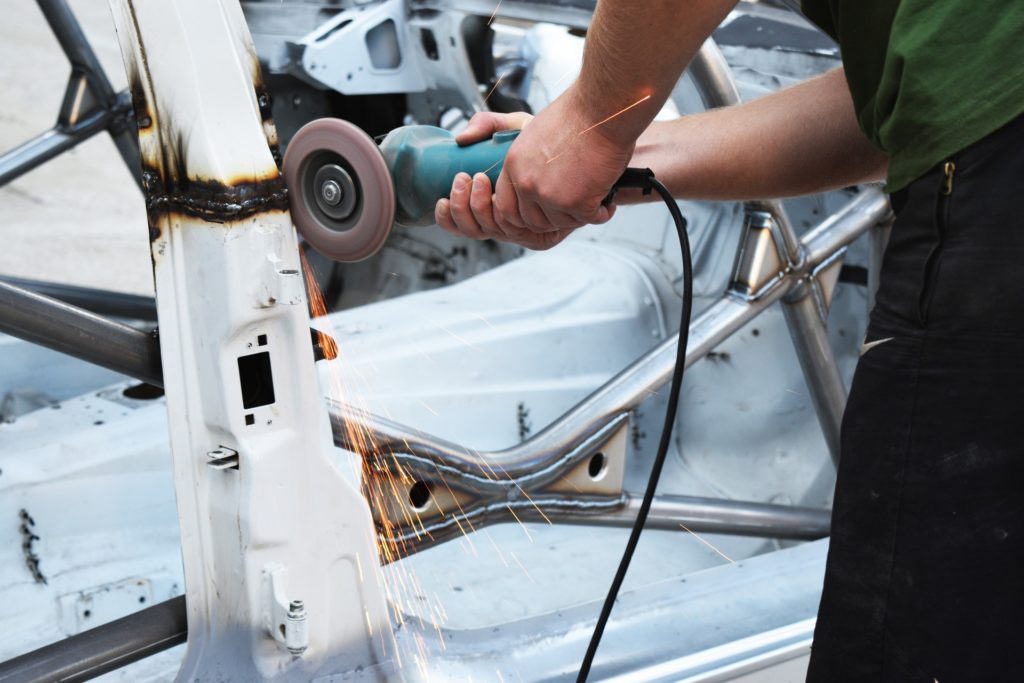
Before anything can be added to the van, it needs to be stripped back to its bare bones. This means removing all internal panels, and ensuring that the entire structure of the vehicle is clean, working properly and free of damage. Once the shell is good to go, fitting the refrigeration unit begins.
Fitting the unit itself will vary from vehicle to vehicle as some larger vehicles can fit the unit above the cab, and some have to fit it on the roof. In both cases, the body of the vehicle has to be adapted. This means making a significant cut to the body of the vehicle that has to be made in a way that will not affect the structure. Often this aperture is cut in the roof panel, between structural pillars so as to support the heavy refrigeration unit securely.
Once the cut has been made, the refrigeration unit is then carefully lowered into place and secured to the structure of the vehicle. At this point the vehicle has technically been converted, but the real magic comes with the insulation.
Insulation
Installing an insulation kit to a vehicle is like tailoring a suit to fit. To maximise space inside the van while maintaining a perfect seal the insulation panels have to be custom made to fit the type, make and model of vehicle you are putting them in. Once created, these panels fit together like a giant jigsaw, to create a perfectly encapsulated chamber inside.
The insulation installation often begins with the flooring panels, as these provide the foundation for the rest of the chamber and allow you to secure the entire system to them without compromising the integrity of the van’s native flooring that could lead to corrosion. Once the floors are in, we move on to the major bulkhead and first wall panels.
It is important to secure the cab bulkhead and side door panel as soon as possible, as once the remainder of the system is installed these areas will most likely be inaccessible. With the major bulkheads secured the remaining wall panels are carefully slid into place and positioned right up next to each other, with a small gap for the sealing trim to go between.
The next major hurdle to overcome are the rear wheel arches. As these are one of the biggest contributors to heat in the back of a vehicle, due to the tyres and brakes radiating heat into them, these must have an extra layer of insulation wrapped around them, and then set in place using a wheel arch cover. Tightly insulating this area is one of the key factors that will make or break a vehicle conversion.
With all the panels in place, a seal will be created throughout the entire storage area. Every little gap between panels and every small crevice in the corners is filled with an insulating foam, and then set in place with a special trim, creating a perfect seal. This is extended to the doors with a double layer of rubber gasket seal, that perfectly traps any cold air from getting out, and keeps any hot air from getting in.
Finishing touches
With the van insulated, and refrigerated, it is time to add the electrics and other finishing touches to make it a perfectly serviceable vehicle again. This includes adding a special coating to the floor of the vehicle to protect the insulating panels from the wear and tear of goods being taken in and out, and also to protect against any moisture that may be present inside. With all of the above complete, this van is then ready to transport perishable goods over long distances without any worry of them being damaged.
Having a mobile workshop is great and all, but it has its limitations which is mostly space. Since this is your workplace, getting the shelving right is – next to air conditioning – your number one priority.
I’m sure you know how to put the shelving in. Getting it right isn’t the problem here, but coming up with great ideas can be tricky. But you don’t have to reinvent the wheel. This article gives you 5 work van shelving ideas to get started right away. So let’s dive in.
In this article:
Create a false bed with access at the rear and side doors
Build a cabinet in the side door for crates and toolboxes
Place your side door cabinet on a swivel foot
Create a slide-out workbench
Create long slide out drawers for your lengthy tools
Create a false bed with access at the rear and side doors
This is a no brainer if you’re a carpenter and need to transport large pieces of plywood. Creating a false floor definitely adds a lot of storage to your mobile workshop.
This is the perfect hiding place for large 8×4 panels.
Ensure access at the rear and side door by using panels out of ply. If you only use supporting legs on the sides with supporting beams across, you can easily slide in large sheets of 8×4 ply from the rear. Create a removable hatch at the bulkhead to have access to smaller materials from the side door.
Pros: a lot of flexible storage space for large materials.
Cons: the height you take out at the bottom can limit your standing height in the van. If you need to work inside the van, make sure you have a high roof (H2 or H3) to ensure you can stand up straigt. Or use tip number … to simply work outside.
Build a cabinet in the side door for crates and toolboxes
Building a van-high cabinet in the side door allows for easy access to your most-used tools and materials. Plan out the cabinet to fit your ‘definitely-need’ tools. A cabinet with 2 columns of wide, high shelves from the flooring up for about 3/4 should do the trick. Make sure these shelves are made-to-measure for your specific toolboxes and crates.
Above it, create a shelf for storing small materials such as cannisters, tape, hearing protection, etc. Provide this shelf with an edge to prevent anything from falling of.
Finish the cabinet by placing a column of solid plywood next to the two columns, and use this space to hang your screwdrivers and pliers from. This way, all your need-to-have tools are within reach, and you lose about 15″ in your load area. It get’s better in the next tip.
Pros: most-used tools at hand at all times.
Cons: the cabinet is bulky, you lose some space in the load area, and it’s only accessible from the outside, which sucks when it’s raining. But there’s a solution, read on.
Place your side door cabinet on a swivel foot
If you want to be able to access this cabinet from the inside as well, simply place the entire cabinet on a swivel plateau. This way, if you’re ie. working inside of your van and need your favorite tools at hand, you simply rotate the entire cabinet. The front becomes the back, and your entire toolbox cabinet is now facing the inside.
This requires some serious measuring, since the cabinet can only rotate towards the bulkhead. Just don’t forget to place a lock which secures the system in place while driving.
Pros: flexibility in deciding where you need your tools.
Cons: you need to keep the bulkhead area clear, so you can’t build an inside cabinet there.
Create a slide-out workbench
Gonna do a full length workbench? If you plan it right, you can fit a slide-out workbench at the rear or side of the van. A simple sheet of (thick) plywood with foldable legs will get the job done. This allows you to work outside and extend your working space considerably. You do however need to keep three things in mind:
If it rains, you will get, and so will your equipment (you can fix this though, check out tip …).
You can’t use this workbench as a regular storage shelf whenever it’s inside the van. Or you need to like to move everything on the shelf whenever the sun’s out and you feel like working outside.
Also, make sure the legs are adjustable, so you can offset the height of the curb/your van when loaded. Nobody likes a slanting workbench.
If you do this right, you can fit on your miter saw.
When planning your workbench, run the slide out top over the entire length of the load area. To create the slide out system, use heavy duty rails or gliders at the sides of the worktop.
Make sure to stop the inside workbench about 40cm in from the rear. This way, the slide out top will stick out of the inside workbench for about 40cm.
Now you can mount your miter saw at the end, using the strength of the side gliders to keep the weight.
If you pull out your worktop, the miter saw comes out of the van, and rests on top of the legs. You can use it inside as well. Two birds, one stone.
Pros: easily create double the workspace, work outside when it’s sunny, operate the miter saw both in and outside the van.
Cons: you can’t use this slide out top as a regular shelf.
Create long slide out drawers for your lengthy tools
If you do plan on false flooring, make sure to reserve a spot at the rear. It’s the perfect storage space for your levels and other long tools. Place the drawers at the side for keeping the main under-floor storage clear. This should give you plenty of space to still slide in loads of 8×4’s.
If you do a shallow drawer at the side door as well, you get a perfect storage for small materials or tools. This way, you make optimal usage of the entire length of the load area, and it only costs you about 40cm of the load area.
Pros: protects your fragile levels and straight edges, doesn’t cost a lot of space, the side drawer is perfect for easy access to accessoiries and small tools such as pliers or drills.
Cons: not many, you lose a narrow strip of the under-floor storage, drawers are less flexible (but more organized!).
Here at Cool Running Rental we specialise in providing temperature controlled vehicles for hire to specialist services that need them. Many people fail to realise the importance that refrigerated vehicles hold in today’s world, and many more people are unaware that the technology is actually older than you might think!
So why is mobile refrigeration important? Well, without it many of the simple things we enjoy in life wouldn’t be possible. For instance the mass transport of perishable foods from one place to another, the key factor in the success of Supermarkets, would be impossible without the help of refrigerated vehicles!
Another key role that refrigerated vans perform is transporting vital medical supplies such as blood and vaccines through the cold supply chain to hospitals and other places where they are desperately needed. Refrigerated vans haven’t just made our lives easier, you could say they also save lives.
But where did modern refrigerated transport start? With one, very talented man.
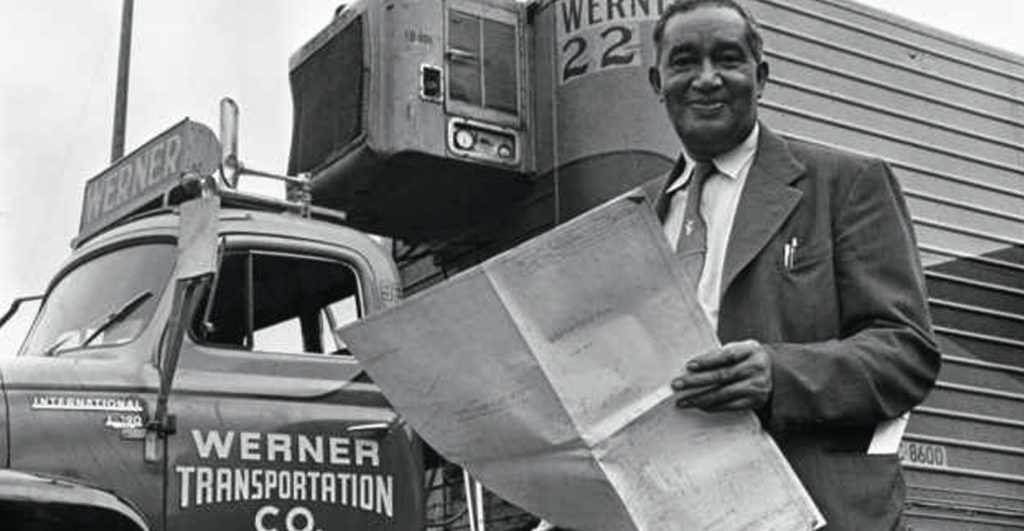
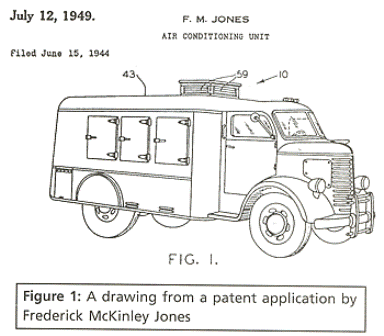
Frederick McKinley Jones – The “King of Cool”, and the father of modern mobile refrigeration.
Image credit: worldkings.org
Frederick McKinley Jones was a remarkable man, who battled a difficult upbringing and eventually became one of the great success stories of 20th Century America.
Early Life
He was born in May of 1893 to parents of different races in Cincinnati Ohio, and it wasn’t long before his childhood had taken him down a difficult path. Jones’ mother had abandoned him and his father, and by the age of 7 Jones had been sent to live with a Catholic Priest in Kentucky, after his aging father could no longer care for him.
Little is known about these years in Jones’ life, apart from that his father died just 2 years after sending him away. Another year later, at the young age of 11, Jones decided to run away from Kentucky, and seek work in his hometown of Cincinnati.
Upon arriving back in the Ohio city, Jones managed to get by doing a variety of odd jobs and piecing together a wage. One of these jobs however, would be the making of Frederick McKinley Jones. He had began work as a cleaner in an automotive garage, sweeping floors and tidying tools, and over time developing a keen interest in the mechanics of motorcars.
This budding passion grew, and Jones spent several years working at the garage, steadily moving from janitor to apprentice, and eventually from apprentice to foreman. He had mastered the trade of vehicle mechanic by the age of 19, and had set himself up for greatness.
Pre-War
In 1912 Jones decided to leave the Cincinnati garage that had been his home for the better part of a decade, and set out to find work elsewhere, eventually landing at a farm in Hallock Minnesota. Here his job was to fix and maintain the farm’s vehicles, and this was also an opportunity for him to expand his knowledge of other technologies and machinery.
During his time in Hallock, America joined the First World War, and as a young male Jones was drafted to go and serve on the European continent. Jones’ service was no detriment to his learning though, as he was employed to make repairs to a wide variety of machines and other equipment.
Post War
After the war, Jones returned to the farm in Hallock and continued to learn as much as he could, this time in the field of electronics. His experience in the war had no doubt aided his learning, and before long he was embarking on a very large project. The town of Hallock had decided to fund a new radio station and they needed an engineer to fabricate the transmitter needed for the station.
Naturally Jones took to the challenge like a fish to water and before long the new Hallock radio station was operating successfully, relying every day on the remarkable talent of a man with no formal education. This new-found skill for electronics brought Jones onto the radar of a man called Joseph Numero, a leading name in the Cinema industry whose company made filming equipment. Numero hired Jones to improve the sound equipment made by Cinema Supplies Inc., based upon a device Jones had created on the farm in Hallock that could combine sound with motion pictures and revolutionised the cinema industry.
This friendship with Numero would soon turn into Jones’ greatest success. In 1938 Jones invented the first truly portable air cooling unit that was designed for vans (where all the predecessors had been mounted on trains due to their size). Originally designed for businesses transporting perishable foods, Jones’ units gathered success quickly as they allowed small shops to sell their wares much further-a-field, as opposed to before where they had only been able to service their immediate localities.
Following the successes of Jones’ invention, his friend Numero decided to sell Cinema Supplies Inc., and together they partnered a new company: the US Thermo Control Company, which later went on to become the Thermoking that we still use today!
Image credit: worldkings.org
World War 2
Like many other technology companies, the Thermo Control Company (TCC) found themselves benefitting from the necessities of war. With the outbreak of conflict in Europe, Africa and Southeast Asia the Army’s needs for rations, both food and medical, grew at an alarming rate. Jones and Numero were well suited to this growing need, as their vans could preserve supplies and take them further to the Army’s hospitals, or right onto the front line.
Specialist logistics units sprang up across the Army, including the aptly nicknamed “Penguin Fleet”, whose job it was to transport blood, medicine and food to ensure that the fighting lines were well provisioned, and the wounded received the treatment they needed. This vital service that TCC’s refrigerated vans were serving was well compensated, and by 1949 TCC had grown to be worth $3million, a mighty sum equivalent to 10 times that number today!
How have modern vans changed?
In truth, modern refrigerated vans haven’t changed their core mechanics much since Frederick McKinley Jones’ pioneered the technology. The units have become smaller and more efficient, and the insulation of the vans has become more effective, but the core concept remains the same!
The major modernisation in refrigerated vans has come in the vehicles that they are based on! As time has progressed, the trusty “white van” has become more and more accessible to smaller businesses, and with them the refrigerated conversions.
Commercial suppliers like Mercedes and Volkswagen have helped to create an industry aimed solely at providing transport for these small to medium sized companies, and combined with the modern Thermoking refrigeration units the transport of perishable goods has never been easier.
Where is the future of refrigerated vehicles headed?
With the advancements in electric vehicles, it is no surprise to see that refrigerated vans aren’t far behind the curve.
Nissan have already released their e-NV200 which can be readily converted, and we’re very excited to see what can be done with Mercedes’ eVito, as we have already used the traditional engine Vito to great effect!
As a business owner of a refrigerated trucks hauling fleet, you understand the importance of purchasing the best equipment. After all, your bottom line depends on your ability to provide fast and efficient reefer hauling services.
Another less evident issue involving reefer hauling is keeping a refrigerated truck in good condition. For transporting foods in particular, you must also maintain clean refrigerated medium box trucks to comply with Food and Drug Administration (FDA) regulations.
Learn how to keep your reefer fleet of trucks clean and in good condition with these maintenance tips for refrigerated trucks.
Utilize Truck Washes
A truck wash is your greatest ally in keeping your small refrigerated box truck in pristine hauling condition. For a medium box truck, target areas for the trailer wash-out include the floor, walls, drain holes and door crevices. The refrigerated box truck wash-out process must be documented to comply with regulations. In addition, if the trailer is made using wood, this needs to be treated to meet the Food Safety Modernization Act rules.
For reefer trucks, search for a truck wash that also provides reefer trailer wash-out services. An alternative is to handle cleaning your refrigerated trailer after every load. For the majority of truck drivers and trucking companies, the most cost-effective solution to maintaining a clean reefer truck is by outsourcing truck wash services.
Protect Refrigeration Units
The power source of a refrigerated trailer is the cooling unit. Increase the efficiency and lifespan of your equipment with a single move — turn off the cooling unit when loading and unloading freight. As the doors to a small or medium-size refrigerated box truck are constantly opening, the temperature is fluctuating inside the truck.
This puts extra work on the engine, which causes your drivers to use more fuel. In addition, when warm, humid air enters the truck, this could condense on the evaporator coil, interrupting the airflow and causing the unit to kick into defrost. By making this one change, you can save your company money and improve the lifespan of your reefer trucks.
Perform Routine Maintenance and Inspections
Refrigerated truck maintenance and service by a professional truck leasing company is another way to keep your truck in good operating condition. Maintenance protects against wear and tear and is the best way to identify early signs of malfunction. However, you should also do your part to perform truck inspections for your reefer fleet.
Each of your drivers should be conducting pre- and post-trip inspections. This is key to ensuring the refrigerated truck units are operating in optimal performance. Even the slightest temperature fluctuation can cause a driver to lose his or her freight to spoilage. By monitoring the truck temperature and refrigeration unit periodically on every delivery, your drivers provide front-of-the-line protection against truck breakdowns.
Maintain a Quality Reefer Fleet
Along with maintaining FDA compliance for refrigerated food hauling, a clean trailer speaks volumes about your trucking company. Maintain your medium box trucks and refrigerated trailers in the same way that you will maintain your customers’ freight. A clean reefer truck also allows your drivers to safely transport freight for your shipping customers. This provides your company with job security — all thanks to keeping your refrigerated truck in good condition.
There are many circumstances under which you might need a refrigerated truck rental. Normal trucks are not climate controlled and you might have perishable items that require a specific level of temperature while being transported. Refrigeration is important to keep the products in good shape until they reach their destination.
Here are the top reasons you need refrigerated trucks for your business.
Products that Require Refrigeration During Transit
Some products require continuous refrigeration to stay fresh or effective. These include fruits and vegetables, freshly cut flowers, dairy, meat, and seafood, as well as chemical, hazardous, and pharmaceutical products.
It is ideal to use a refrigerated truck to transport these items, as you can maintain the right temperature throughout the journey. It’s better to pay for the service of a refrigerated transport carrier than to incur losses due to spoilage and damage.
Adhesives and Artwork
Most adhesives become ineffective when exposed to extremely high temperatures. Similarly, valuable paintings and other works of art require effective temperature control, as extreme heat can ruin them.
A range of other delicate products will benefit from being transported in a refrigerated truck. This type of shipment offers complete protection for all materials and items that are highly sensitive to temperature fluctuations. Refrigerated trucks also provide a clean transport environment for your shipments.
Transporting products is part of the operational processes of many companies. Whether you ship perishable items or dry goods, it’s important to make sure they will reach their destination fast and in good condition.
It is ideal to consult a reputable trucking service provider when you need to ship any product that requires temperature control. Depending on the shipment size, the prevailing climate conditions, and the distance, trucking companies can advise you on the type of truck that suits your needs.


 Ramps & Lifts













 Commercial Van Solutions