
Creating a DIY camper van electrical system is a rewarding project that provides the comfort and convenience of a home on wheels. Here’s an epic guide to help you design and install your camper van electrical system:
Plan Your Electrical Needs: Determine your electrical requirements by listing all the devices and appliances you plan to power in your camper van. This may include lights, fans, a refrigerator, chargers, and any other electronic devices. Calculate the total power consumption in terms of watts or amps.
Choose a Power Source: Decide on the power source for your camper van. Common options include:
- Solar Power: Solar panels can harness energy from the sun, providing a clean and sustainable power source. Calculate the solar panel capacity based on your energy needs.
- Auxiliary Battery: Install a deep-cycle auxiliary battery or a bank of batteries to store energy. Consider options like AGM or lithium batteries, weighing factors such as capacity, weight, and maintenance requirements.
- Alternator Charging: Utilize your vehicle’s alternator to charge the auxiliary battery while driving. Install a relay or battery isolator to prevent the main battery from draining.
Design the Electrical System: Create a schematic or diagram of your camper van’s electrical system. Plan the wiring layout, including the location of components such as batteries, inverters, solar charge controllers, and distribution panels. Mark positive and negative connections.
Select Electrical Components: Choose high-quality electrical components that match your system requirements. Key components include:
- Inverter: Converts DC power from the batteries to AC power for running appliances.
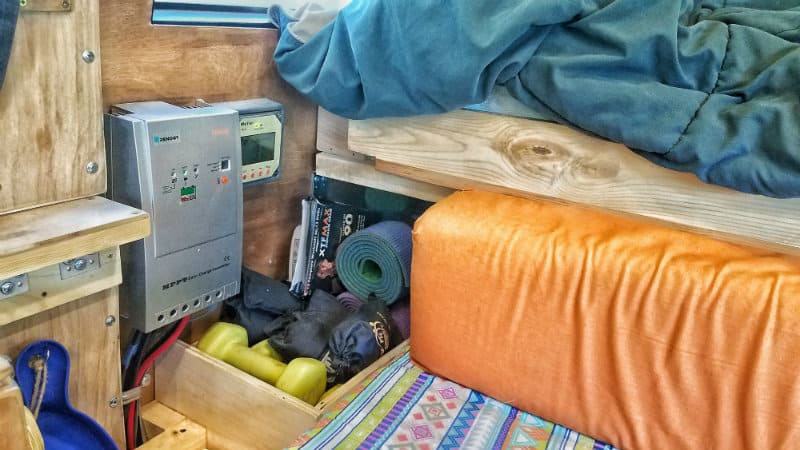
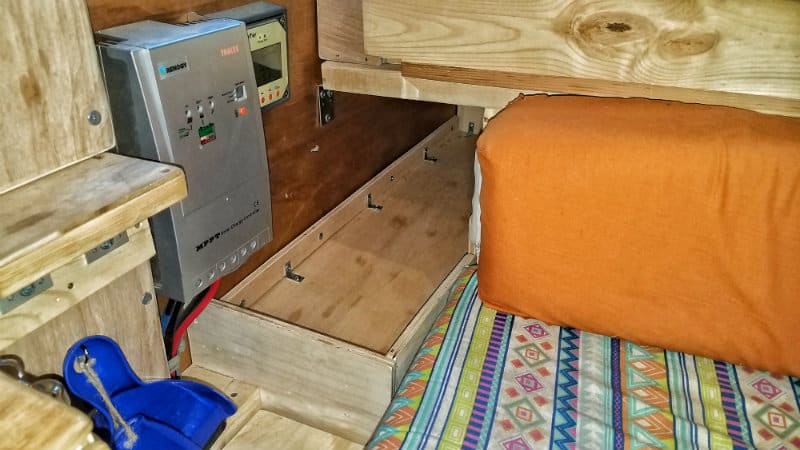
- Charge Controller: Regulates the charging process for solar panels, preventing overcharging of batteries.
- Distribution Panel: Provides a centralized location for fuses, circuit breakers, and switches, simplifying electrical management.
- Wiring: Use appropriate gauge wiring for different components, ensuring safe and efficient power distribution.
Install Solar Panels: If using solar power, mount solar panels on the roof of your camper van. Connect the panels to a solar charge controller, which regulates the voltage and current from the panels to prevent overcharging the batteries.
Set Up Battery System: Install the auxiliary battery or battery bank in a secure and ventilated location. Connect the batteries in parallel or series, depending on the voltage requirements of your system. Install a battery monitor to track battery levels and health.
Wiring and Connections: Carefully route and secure the wiring throughout the camper van. Use conduit or cable channels to protect the wires from damage. Connect components according to your schematic, ensuring proper sizing and termination of wires.
Install Inverter and Distribution Panel: Mount the inverter in a well-ventilated area, connecting it to the battery system. Install the distribution panel, connecting it to the inverter and other electrical components. Use circuit breakers or fuses to protect individual circuits.
Implement Safety Measures: Include safety features in your electrical system, such as:
- Ground Fault Circuit Interrupters (GFCIs): Install GFCIs in areas where water exposure is likely, such as the kitchen or bathroom, to prevent electrical shocks.
- Smoke and Carbon Monoxide Detectors: Enhance safety by adding detectors to your camper van.
Test and Troubleshoot: After installation, thoroughly test your electrical system. Check voltage levels, verify that devices operate as expected, and troubleshoot any issues. It’s crucial to ensure the safety and functionality of the entire system.
Document Your System: Create a comprehensive manual or document detailing your camper van’s electrical system. Include information on component locations, wiring diagrams, safety measures, and maintenance procedures. This documentation is valuable for troubleshooting and future modifications.
Practice Energy Efficiency: Optimize your energy usage by practicing energy-efficient habits. Use LED lighting, turn off appliances when not in use, and be mindful of your power consumption to maximize the longevity of your battery system.
By following this epic guide, you can design and install a robust and efficient DIY camper van electrical system. Whether you’re embracing off-grid living or enhancing your road trip adventures, a well-executed electrical system ensures a reliable and comfortable mobile experience.


 Commercial Van Solutions