
Commercial vans play a crucial role in various industries, providing a means of transportation for goods, tools, and equipment. Ensuring the safety of drivers, passengers, and other road users is paramount when operating commercial vans.
Here are essential tips for commercial van safety:
Regular Vehicle Maintenance: Schedule regular maintenance checks for commercial vans to ensure they are in optimal condition. This includes inspecting the brakes, tires, lights, fluids, and all essential mechanical components. Addressing maintenance issues promptly reduces the risk of breakdowns and enhances overall safety on the road.
Proper Loading and Weight Distribution: Correct loading and weight distribution are critical for the stability and handling of commercial vans. Follow the manufacturer’s guidelines for maximum load capacity and distribute the weight evenly. Overloading or uneven weight distribution can compromise the van’s maneuverability and braking capabilities, leading to accidents.
Secure Cargo: Securely fasten all cargo to prevent shifting during transit. Unsecured items can become projectiles in the event of sudden stops or collisions, posing a significant safety risk. Use proper restraints, such as tie-downs or cargo nets, to keep items in place and ensure they do not interfere with the driver’s visibility.
Driver Training and Certification: Provide comprehensive training for drivers operating commercial vans. Ensure that they are familiar with the van’s features, including blind spots, handling characteristics, and safety systems. Drivers should be certified to operate the specific type of commercial van they are assigned to, emphasizing safe driving practices, defensive driving, and load-securing techniques.
Driver Fatigue Awareness: Combat driver fatigue by promoting awareness and establishing policies to prevent drowsy driving. Encourage drivers to take regular breaks, prioritize adequate sleep, and avoid extended periods of continuous driving. Fatigue significantly impairs reaction times and decision-making skills, increasing the risk of accidents.
Utilize Technology for Safety: Take advantage of safety technologies available in modern commercial vans. Features such as lane departure warning systems, collision avoidance systems, and backup cameras enhance driver awareness and mitigate the risk of accidents. Investing in these technologies contributes to a safer driving environment.
Weather Considerations: Exercise caution in adverse weather conditions. Rain, snow, ice, and strong winds can impact the handling of commercial vans. Drivers should adjust their speed, increase following distances, and use appropriate tires for the prevailing weather conditions. Additionally, communicate weather-related precautions and guidelines to drivers.
Adherence to Traffic Laws: Emphasize the importance of strict adherence to traffic laws and regulations. This includes obeying speed limits, using turn signals, and maintaining a safe following distance. Enforcing traffic rules contributes to overall road safety and reduces the likelihood of accidents.
Emergency Preparedness: Equip commercial vans with emergency kits that include first aid supplies, warning triangles, a fire extinguisher, and basic tools. Ensure that drivers are trained in emergency procedures, including how to respond to accidents, breakdowns, or adverse weather conditions. Emergency preparedness enhances the ability to manage unforeseen situations effectively.
Regular Driver Health Check-ups: Encourage drivers to prioritize their health and well-being. Regular health check-ups can identify potential medical issues that may affect a driver’s ability to operate a commercial van safely. Conditions such as vision problems, sleep apnea, or cardiovascular issues can impact driving performance and should be addressed promptly.
By implementing these essential tips for commercial van safety, businesses can foster a culture of responsibility and prioritize the well-being of drivers and the public. Safety measures not only reduce the risk of accidents but also contribute to operational efficiency and the overall success of commercial transportation endeavors.
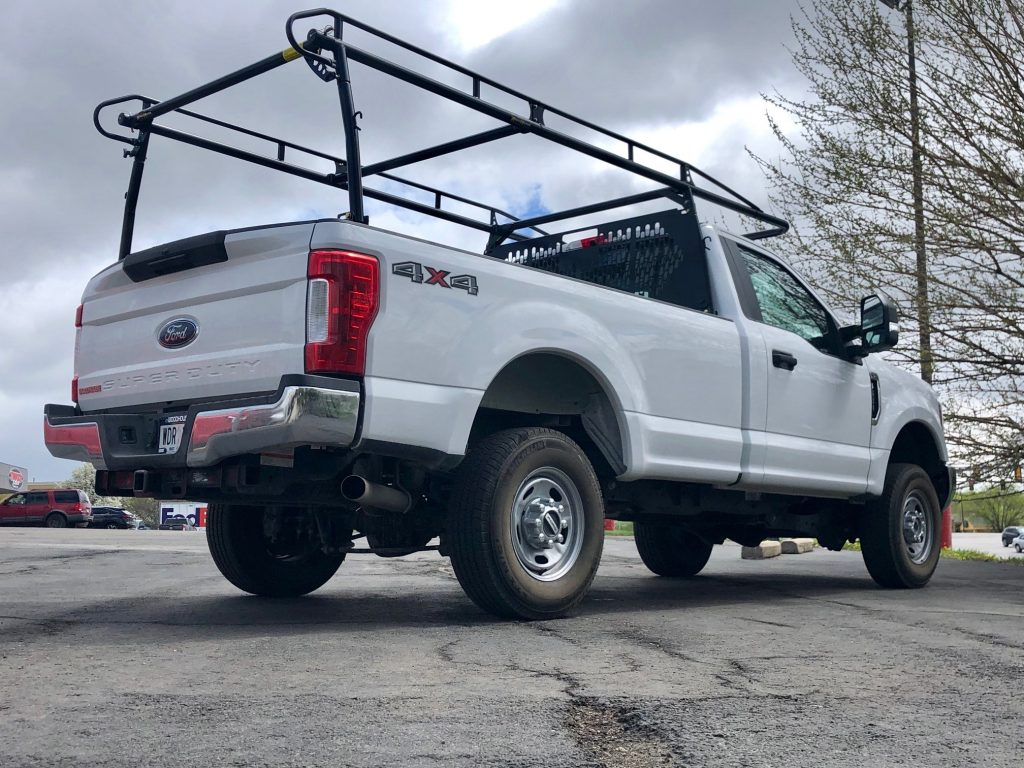


 Commercial Van Solutions