Posted in cargo van, Commercial Van, sprinter commercial van, sprinter work van

Why the Mercedes Sprinter is One of the Most Versatile Work Vans

Why the Mercedes Sprinter is One of the Most Versatile Work Vans

As a plumber, electrician, HVAC contractor, or a more extensive service company, you need a van to haul your equipment, materials, and even a few employees. It’s vital to determine the best vehicle that will work with your requirements and will also provide enough cargo space with lifetime value.

Mercedes-Benz is offering the 2018 Sprinter van lineup that can fit into a variety of vocations. In general, vans provide different industries with versatile components to transport anything you need. The Mercedes-Benz commercial vans are full-size and available in the following five models.

  • Cab chassis van
  • Cargo van
  • Crew van
  • Passenger van
  • Worker cargo van

Different Features of Mercedes-Benz Vans — The Sprinter

As a versatile full-size van, the Sprinter has two powertrain options you can choose: a 161-horsepower, 2.1-liter, four-cylinder, a turbo-diesel van with rear-wheel drive that’s seven-speed automatic, or a 188-horsepower, 3-liter, turbo-diesel, V-6 five-speed automatic that has front- or rear-wheel drive.

With the ability to haul people and cargo, the Mercedes-Benz Sprinter allows you to choose between two wheelbases that are 144 or 170 inches. Depending on what your profession requires, you have the freedom to select the best option.

Seating up to 12 people, the Sprinter has a gross vehicle weight rating of 8,550 to 11,030 pounds with a high-roof option. The high roof is ideal if you’re hauling around cargo and equipment that does not fit in regular vans, as it increases the space you have for loading materials.

The Sprinter cargo van features high-tech safety gear, such as lane departure warning, crosswind stabilization, and collision prevention, along with excellent steering. The vehicle also has a great fit and finish, along with being able to obtain stability at speed.

What to Consider When Purchasing a Sprinter

If you are thinking about buying the Sprinter as your daily work van, consider the following aspects to receive the best value.

  1. Versatile Interior: The Sprinter provides solutions for any business that needs to equip its van with tool compartments and boxes or passengers and plumbing equipment.
  2. Reliability: The vehicle offers incredible diesel engine power, advanced safety features and ample space for your gear and workers.
  3. Engine Power: You can choose between the 161-horsepower, 2.1-liter, four-cylinder and the 188-horsepower, 3-liter, V-6 diesel engine conditional to your requirements.
  4. Safety Features: Mercedes-Benz includes airbags throughout the van, along with crosswind assistance, lane and blind-spot monitoring, and a forward-collision system in the Sprinter.
  5. Maintenance Costs: Your warranty covers repairs — but once the warranty is up, maintenance costs will become more expensive.

If you keep your Sprinter well-maintained, you will have a better chance of receiving a higher resale value. With plenty of cargo and storage space, you can also upfit your van with equipment from Advantage Outfitters.

Posted in Commercial Van, sprinter commercial van, sprinter work van

Benefits of sprinter commercial van

Benefits of sprinter commercial van

Choosing a van for your camper can conversion is your first important step when taking the leap towards living in a van. There are many types and models of vehicles out there, and the best one for you really depends on your needs and wants.

Some vans are better for extra space, some are better for stealth camping, some are more cost-effective. If you’re reading this page, chances are you plan to build out your van yourself. But if you want something already converted that will take minimal work to get on the road, there are options for that, too.

To help you choose the right van to live in, I have put together an infographic with pros and cons of some of the most common types of vehicles out there on the road. 

Sprinter commercial van is especially known for its interior height, long wheelbase, and boxier shape making them ideal for building out spacious, functional living space. This category includes the original Mercedes/Dodge Sprinters, as well as Ford Transits and Dodge Premasters.

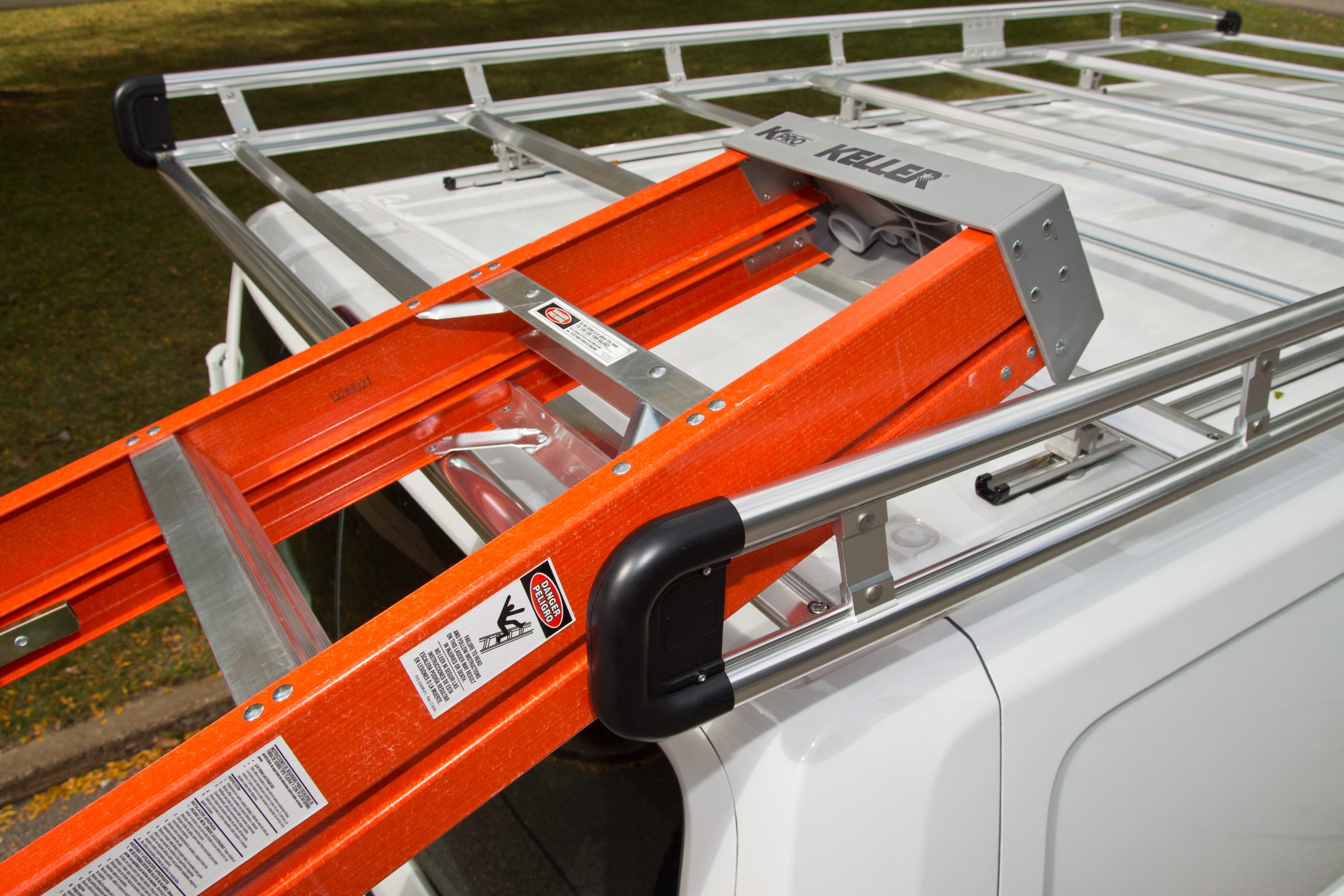
Sprinter van options include the Sprinter cargo van, passenger van, cab chassis, and crew van. Prices for base model Sprinter vans start in the mid-$30K range. Gross vehicle weight ratings for Sprinter vans range from 8,550 to 12,125 lbs. A sprinter van is the perfect addition for transporting long equipment. If you transport ladders, pipes, or other long equipment, then this type of rack will ensure you do it safely and effective.

Considering all the factors , you have a much higher chance of picking the perfect sprinter van for your business. With the right solution in your hands, you will be able to meet the increased demands that the summer has brought, ensuring the products you send to your stores, customers, and more reach them safely.

Posted in cargo van, Commercial Van, sprinter commercial van, sprinter work van

Choose the Right Commercial Van

Moving van

The basic rule of thumb

There are two basic rules that you’ll find most people use, both of which you do by counting the number of rooms you’re trying to move.

The first is pretty straightforward: try to get 250 cubic feet of truck per fully furnished room.

The other rule, which is roughly the same, breaks it down like this:

  • Studio apartment: 10-foot truck
  • 1-2 bedrooms: 15-foot truck
  • 2-3 bedrooms: 20-foot truck
  • 4+ bedrooms: 26-foot truck

These are pretty good as starting points, but as always, the actual answer is more complicated with that.

More size considerations

The fault with the rules of thumb should be obvious. The sprinter commercial van doesn’t carry rooms, but the stuff in the rooms. If you have many rooms with relatively spartan furnishings, you might not need as large of a truck as someone with fewer rooms crammed with more stuff.

To get a better idea of what you’re going to need, you’re going to need to measure stuff. How large are your moving boxes, and how many of them do you have? Measure every piece of furniture you have, too. Adding those up gives you an absolute minimum for the truck – you might have missed a lot of smaller things that will take up space. You’re also unlikely to pack the truck perfectly, so unless everything can fit perfectly together and you’re a Tetris master, expect that there’s going to be some empty space in the truck.

In fact, you should plan for there being more space. Error on the side of buying a larger truck than you think you need. The laws of physics are a lot more forgiving of you having extra room than trying to fit 600 cubic feet into 500.

Choosing the rental company

It’s a good idea to get a few quotes from companies near you. Choose truck rental companies which have been in business for a length of time.

Most budget truck rental companies stock trucks that a renter can drive with a general driver’s license, but don’t assume that’s the case with your rental. Confirm that a special license isn’t required before you make the reservation. Also, know whether you’ll be renting a manual or automatic transmission truck.

Posted in sprinter commercial van, sprinter work van

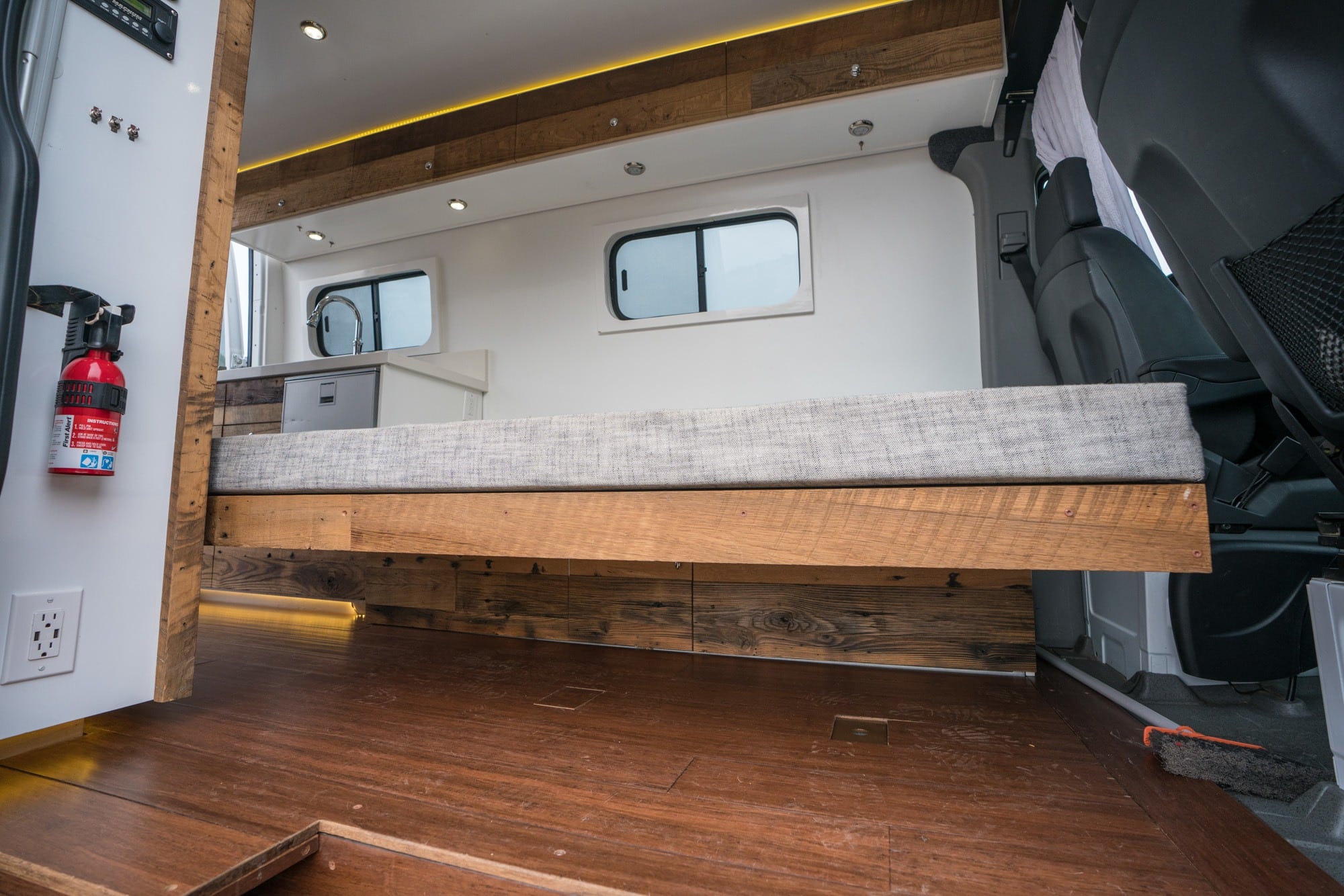
Adding sound and heat insulation to the floor

2016 Ford Transit 250 Medium-Roof Van Review - AutoGuide.com
Adding sound and heat insulation to the floor

Horse stall mat, vinyl coin matting and closed cell foam make a good sound damping combination over the factory wood floor of the sprinter commercial van. Flanged l-track holds the three layers in place.

I Painted the metal van floor and reinstalled the wood floor with some closed-cell foam underneath it. That wasn’t enough insulation though.

For a combination of heat and sound insulation, I went with a layer of closed cell foam (Low-E foil faced 1/8″ foam), 3/8″ rubber stall mat and 2mm (~1/16″) hard-wearing non-slip vinyl coin-grip flooring.


Each of these layers serves a different purpose. The closed cell foam is a heat insulation layer and it also lets the stall mat float freely above it. This makes the stall mat into a great sound dampening layer.

Car audio fanatics use mass loaded vinyl in a similar way. The stall mat has a similar density to mass loaded vinyl but is much thicker. The non-slip vinyl layer on the top provides some protection for the floor and is more visually appealing than the rubber stall mat.

All of these products come in four foot widths, but the van floor is around six feet wide. To hold the three layers down without needing to glue them in, which would ruin the sound dampening effect, I ran strips of l-track from the front to the back of the van about 12″ in from each wall. This lines up really nicely with one of the raised areas in the metal floor.

You can get l-track installed in the van from the factory, but that is recessed into the wooden floor and glued in place. I wanted our l-track to sit on top of the wooden floor. The space behind the flanges is 1/2″. That’s just right for the three layers of flooring material I use when they are compressed together. The flanges of the l-track hold the layers in place really firmly.

I bolted the l-track through the wooden floor, through the metal base of the van, and through Unistrut steel channel under the van to add strength to the bolts and also to provide a mounting point for anything I want to attach under the van.

The floor feels firm to walk on but slightly cushioned. It cuts down considerably on the road noise coming in to the van. There are some wrinkles in the top coin layer from where it was rolled up so tightly but they are smoothing out as I use the van.

Posted in Commercial Van, sprinter commercial van, sprinter work van

The Best Campervan Flooring and Top Installation Tips

Van Conversion: Floor Layers and Materials – Bearfoot Theory
The Best Campervan Flooring and Top Installation Tips

You bought your sprinter commercial van and are finally ready to begin building. One of the first things you will want to do is start on your campervan flooring. Your flooring consists of a few parts; metal van floor, sound dampener, insulation, plywood floor. Each part of your flooring is important as it is the base for building the rest of your van. 

We have built out two large cargo vans, the first being a sprinter, and the second a Ford Transit. For our Sprinter van flooring, we made a few mistakes, and now while working on our campervan flooring for the Transit we were able to try new methods and see how well they work. 

From the best campervan flooring to installation, learn the methods that we used for our campervan flooring plus optional methods that might work for you.

Types of Campervan Flooring

First, you need to consider what kind of flooring you want to have in your campervan. Once you have a subfloor, my recommendation is to wait until the build is mostly finished before adding your top van flooring.

I say this for a few reasons; one being to save your floor from scratches or paint, the next being that you don’t need nice flooring everywhere since there will be a bed or cabinets on top of it anyway, and the third is you will substantially save money by only putting flooring where you can see it. Not to mention, if you ever want or need to change out your flooring, it will be an easy fix as you will have access to the flooring. 

There are a few types of flooring that are available for your campervan. These are the more commonly used flooring options and the ones I would recommend.

Life Proof Vinyl Flooring (Our Recommendation) 

We recommend vinyl flooring for campervan flooring for many reasons. It’s waterproof which is super important in your van flooring because you don’t want to risk the floor molding.

Mold in a small area will quickly become problematic and could even cause rust, not to mention the health effects mold can have on you in such a small area. Vinyl flooring is also known for high durability and on the road, you will be in and out of your van, in the rain, mud, sand and possibly with dogs wearing on it. Therefore you need something durable for your vanlife flooring. 

In our Sprinter van flooring, we used a random brand of vinyl flooring. After a year it had scratches, cracks at the seams, divots and needed to be replaced. This time around we decided to go with LifeProof vinyl flooring as it is much thicker and known for its durability. We also know vanlifers who have used this flooring and it seems to last much longer. 

Pros: 

  • Most durable option
  • Waterproof
  • Easy Installation
  • Scratch Resistant (LifeProof brand)

Cons: 

  • Most expensive option
  • Can off-gas

Non-Toxic Cork Flooring

Cork flooring is another van build flooring options that some people choose on the road. The main reason being that it is non-toxic which if you have any health problems, then this may be a must for you. It is mold resistant, doesn’t off-gas, and is durable. 

A plus is that cork is a sustainable option. 

Pros: 

  • Non-Toxic
  • Sustainable
  • Cheaper Option

Cons:

  • Pets can more easily damage flooring with nails
  • Needs sealer on top to prevent damage
  • Spills can stain flooring if not quickly wiped up 

Rubber Flooring

A very easy to install campervan flooring option is rubber coin grip flooring. This is a great option to use in your garage or on your entire floor build if you are an outdoor enthusiast. If you will be constantly surfing, snowboarding, or biking and are worried about wear and tear on your flooring then this might be a great option for you.

Pros:

  • Durable
  • Waterproof
  • Cleans easily

Cons:

  • Not super stylish – Honestly comes down to aesthetics
  • If there is a tear, you would have to replace the entire floor
  • Possibility for moisture to form under mats which can mold and rust the flooring

Laminate Flooring (Not Recommended)

Laminate flooring is another option we have seen in the vanlife community but we personally do not recommend it. I wanted you to be aware of the option but it’s not something we would recommend or use ourselves in the van.

Laminate is essentially the IKEA of flooring, it is compressed wood with a wallpaper-like covering on top of it. It’s not a great choice in general and definitely not a good option for your campervan flooring. 

Pros: 

  • Easy to Install
  • Cheap

Cons: 

  • Not durable
  • Molds Easily
Posted in sprinter work van, Van Ladder Racks

Van Ladder & Cargo Racks

Aluminum Ladder Racks for Trucks and Vans
Van Ladder & Cargo Racks

Prime Design Ergorack

The ErgoRack is, hands down, the safest and fastest way to store and secure a ladder on your truck, van, or service-bodied vehicle. Using advanced designs and hydraulic cylinders, the ErgoRack makes retrieving or storing a ladder on your work vehicle a “two-finger” operation.

No more climbing on tires, perching on bumpers, and struggling to get ladders off your vehicle on tip-toe. With today’s trucks and vans sitting higher than ever before, the ErgoRack isn’t just a neat idea, it’s the perfect drop down ladder rack for the job.

Prime Design Alurack

When the Alurack ladder rack was designed, it was the first rack of its kind to feature rollers to make loading and unloading easier than ever before. Imitators have tried to flood the market, but the original is still the best and when the AluRack is combined with the many options we can offer, you’ll have one of the lightest, strongest, and best-looking ways to stow materials and ladders out of the way for easy transport and loading. Our aerodynamic design saves you money at the pump, too, by utilizing lightweight anodized aluminum that looks great and easily withstands harsh weather.

Ranger Design Cargo+ Rack

Ranger Design offers over 100 different custom racks for nearly any van ever made. From the most basic cargo rack to uniquely designed double drop-down racks using hydraulic dampers to ensure safety, Ranger has made a point of giving users tremendous flexibility for maximizing their cargo capacity.

Using a lightweight but extremely strong aluminum alloy that has been powder-coated for durability, Ranger Design roof racks give you unlimited options, durability, and good looks.

Tough, Quiet and Easy to Use!

  • Military grade aluminum & stainless steel components
  • No corrosion over the lifetime of the rack
  • Aerodynamic crossbars reduce wind noise
  • Cargo+ has a full width stainless steel roller to make loading and unloading easy
  • Fits most Transit, ProMaster & Mercedes cargo vans

Weather Guard

Weather Guard is one of the oldest names in truck accessories, dating back to 1960. In that time, you can bet they’ve learned what works and what doesn’t and that is reflected in the ladder racks they build.

The beauty of a Weather Guard ladder rack is they offer all the options you can use – choices of material, how it is mounted on a vehicle, and a full range of offerings for any truck. As a matter of fact, that’s one of the reasons we like Weather Guard racks so much – they make it easy to find the right one and build them tough, so chances are, they’ll outlast your truck.

Posted in cargo van, Commercial Van, sprinter work van

Choosing the Right Delivery Vehicle for Your Retail Business Fleet

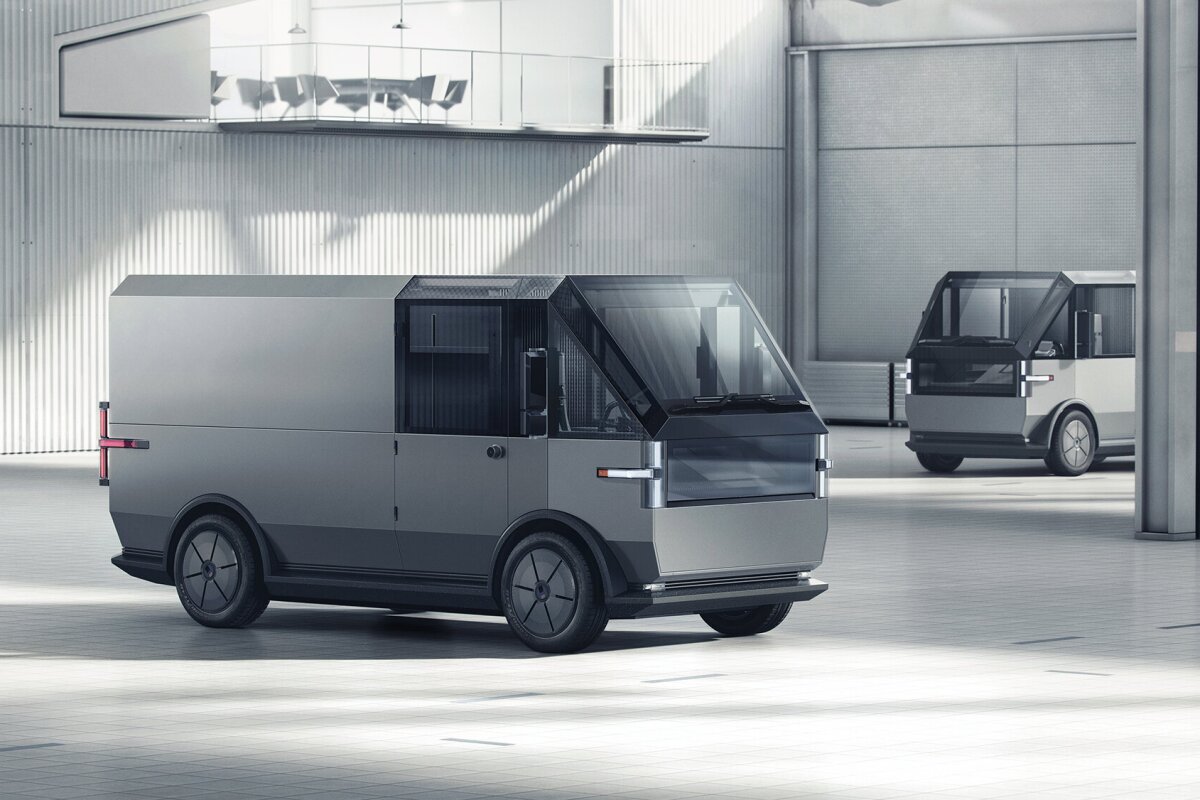
Canoo unveils its second all-electric vehicle, a multi-purpose delivery van
Choosing the Right Delivery Vehicle for Your Retail Business Fleet

With holiday sales expected to reach over one trillion dollars, and Cyber Monday projected to be the largest online shopping day in US history, a record number of retail delivery vehicles will be on the road this holiday season. To meet the higher demand, retail fleets must strive for optimum performance. 

Whether buying a new fleet or upgrading an existing fleet to meet the growing demand, fleet managers need to choose a delivery vehicle that’s affordable, reliable, and practical for the needs of the driver and business. Here we provide a quick guide to help fleet managers sort out which delivery vehicle type is the right option to meet their retail delivery needs. 

Box Truck (aka cube truck)

Box trucks have been the workhorses of the moving and retail delivery industry for generations. If your business delivers appliances or furniture, this is probably the right fit for your fleet. Box trucks are made by adding a larger cube-shaped cargo area to a chassis cab, making the cabin and cargo areas separate (some models include a smaller door leading from the cabin to the cargo area). 

Box trucks can usually carry a sizable load while still being able to maneuver crowded downtown areas or neighborhoods. The rear door is typically a roll-up door that provides easy access to the cargo. Box trucks can also be fitted with a stow-away ramp or a hydraulic lift making them ideal for delivering heavier retail items.   

The downsides: Rear visibility can be challenging, but this is easily overcome with experience and the right mirrors. Since it’s a sizable heavy-duty truck, maneuverability in small areas can be tough for even experienced drivers. Their larger capacity requires a larger, more powerful engine which translates to higher fuel consumption.  

Multi-Stop Truck (aka step van or walk-in truck)

If your fleet is regularly delivering larger parcels or a high volume of packages, a multi-stop truck can be a good match. These delivery vehicles are most notably recognizable as the bread-and-butter workhorse of FedEx and UPS. But they can also be a great option for small business fleets – food trucks, bakeries, and dairies to name a few. 

These taller style delivery vans allow the driver to stand up comfortably inside a cargo area that is spacious and easily convertible to suit business needs. The driver can also access the cargo area from the cab or from the rear of the vehicle. They are generally lower to the ground with steps leading to the driver seat and to the rear cargo area, thus the name step van.  

The downsides: There aren’t many downsides, but, like the box truck, multi-stop trucks can be tight in small areas and can have rear visibility issues. 

Cargo Van 

Smaller, but similar to the multi-stop truck, the cargo van is perfect for delivering small- to medium-sized parcels. Cargo vans usually have side doors and rear doors to access the cargo area. They can range in size from more compact sizes like the Ford Transit Connect to larger vans like the Mercedes-Benz Sprinter, which is closer in size to a multi-stop truck. Cargo vans are very versatile, and their more reasonable size makes for easier maneuvering in tight spaces.   

The downsides: They are less ergonomic than a multi-stop or box truck because loading and unloading can require bending or kneeling. Cargo vans typically do not come with a separation between the cab and cargo area, which can make hauling some retail goods without modifications to the cab impractical or even dangerous.  

Light-Duty Truck  

Like it sounds, the light-duty truck or pickup truck is used for more lightweight payloads – up to two tons. Light-duty trucks are perfect for smaller retail deliveries. Because of their size, they are much easier to maneuver and park. They can also be more fuel-efficient than any of the previous options.  

The downsides: Their capacity is limited compared to box trucks and multi-stop trucks. They come standard with an open bed, which makes hauling sensitive cargo impractical without the addition of cover.  

Conclusion

Once fleet managers identify the right option for their delivery fleet, the real work begins. Finding a delivery vehicle with a decent resale value, fuel economy, durability, and reliability will take further analysis.

Posted in Commercial Van, Refrigerated Van, sprinter work van

WHAT IS POWER ONLY TRUCKING?

Power Only Trucking | Bennett Family of Companies
WHAT IS POWER ONLY TRUCKING?

Power only trucking. Perhaps you’ve heard the term before. But, what is it? 

When a company has a full trailer that needs to be shipped, but no truck or driver to move it, then they hire one. This is especially true for companies that, economically, don’t need their own fleet. Depending on how much freight you need to move, you can hire from one driver up to an entire team. This is power only trucking.

What Are The Benefits Of Power Only Service?

A special factor to note about trucks that provide power only service is that they utilize a fifth wheel. This makes it easier to accommodate a vast array of cargo sizes and weight. Standard axle and four-axle units are usually available too.

One of the biggest benefits of power only is that you can have a truck and driver pronto! Say, you get your containers filled, but discover you are a few drivers/trucks short of what you originally planned. This is where power only trucking comes in.

As well, sometimes companies get unexpected freight that needs to go fast. When the unpredictable happens, shippers can call up a power only service to handle the load.

Power only service also makes it easier for smaller companies to find reliable drivers that have the experience and licenses to carry their loads.

What Loads Are Commonly Moved By Power Only Services?

Power only is a flexible service, molded to accommodate all types of loads. Generally, this service is utilized for moving the following:

You can pick and choose the best truck and driver to match the requirements of your load.

Posted in cargo van, Commercial Van, Ideas & Tips, sprinter work van

3 Reasons a Cargo Van Is Better Than a Pickup Truck

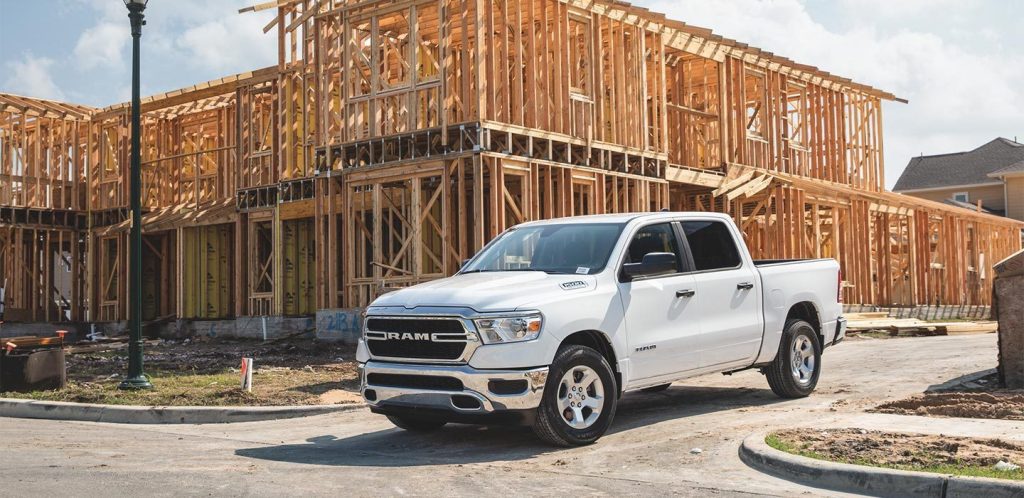
a white Ram work truck on the job
3 Reasons a Cargo Van Is Better Than a Pickup Truck

When it comes to getting the job done, pickup trucks immediately come to mind. But trucks aren’t the only option for a good, sturdy, get ‘er done type working vehicle. Pickups have their purpose, but so do cargo vans. In fact, there are some ways a cargo van is better than a pickup truck. Here are three of them.

1. Protected cargo

The first and probably most obvious reason cargo vans are better than pickup trucks is their ability to protect cargo. Sure, pickup trucks have plenty of space in the bed. You can even buy a shell to protect cargo from the weather. However, cargo vans come really equipped with workhorse payloads and covered cargo. A covered cargo that is both weatherproof and private.

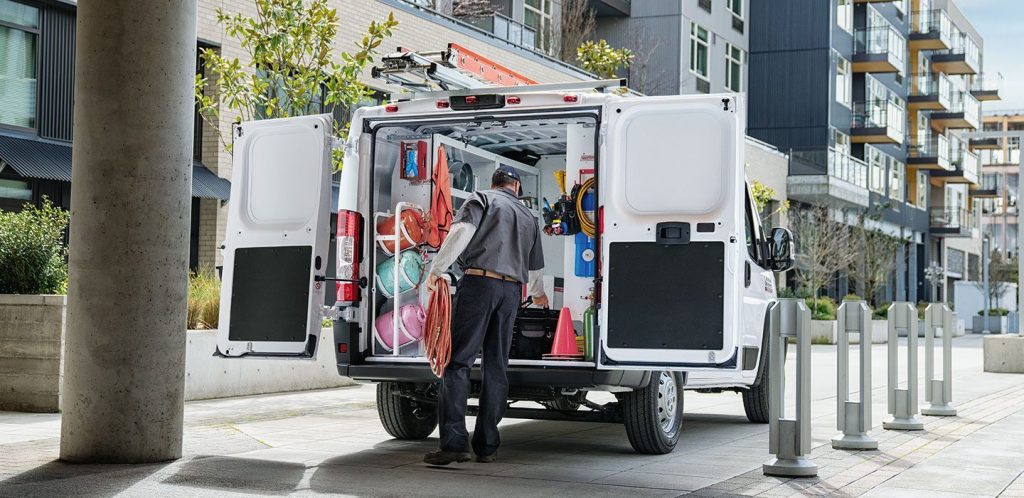
the rear interior cargo of a Ram ProMaster being used on a job
Ram ProMaster Interior | Ram Trucks

You can’t drop anything out of the enclosed space that a van offers. That means no damaged goods and the elimination of the liability of unexpected road hazards. There’s also the fact that although you can build out a truck for overlanding or equip it with a nice tent, camper conversions are largely more practical in a cargo van. The vast protected box provided by the cargo area makes for a great living space for overland travel.

2. A more professional appearance

There’s no denying that most pickup trucks look infinitely cooler than a cargo van. However, if you are using your truck for commercial use a cargo van is probably a more professional option. In terms of appearance, trucks are more fashionable.

A cargo van will look more commercial on the job. First impressions mean a lot, and the highly professional and undeniably commercial styling of a cargo van may go a long way in terms of branding. For commercial use, a cargo van looks a lot more professional. They just have a more business-designated feeling in the eyes of the customer.

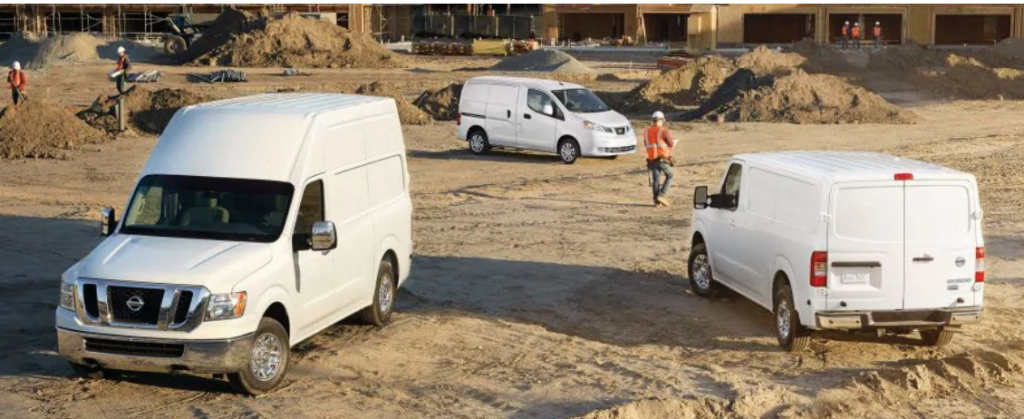
nissan's commercial van lineupdirt field with
Nissan Commercial Vans | Nissan

3. You don’t have to forgo a long list of options

Pickup trucks are loved for their rugged looks and strong capability. They are also appreciated for the incredible amount of options buyers have to choose from when choosing a truck. While there aren’t as many different brands that offer a cargo van, the ones that do offer the vans in a wide variety of options and configurations for your business needs.

The Ford Transit and the Mercedes-Benz Sprinter both come available with factory 4×4. Additionally, the Transit now has a crew cab option. The Nissan NV and the Ram ProMaster don’t come with the 4×4 capability, but they do offer several different wheelbase and roof height options. Plus, they come in the 1500, 2500, and 3500 classifications just like a pickup truck.

Cargo van or pickup truck?

Cargo vans and pickup trucks serve many of the same purposes. Pickup trucks are inarguably more stylish and come with the possibility for luxury trim levels a cargo van would never even dream of. But they are also workhorses.

Posted in cargo van, Commercial Van, sprinter work van

7 Tips for Buying Used Commercial Vehicles

https://cdn-ds.com/stock/2020-Mercedes-Benz-Sprinter-2500-Extended-Cargo-Van--Peoria-AZ/seo/ECL8344SPRINTER-W1X4EDHY8LT021833/sz_125777/W1X4EDHY8LT021833_c70141c700f85421.jpg
7 Tips for Buying Used Commercial Vehicles

While new is the right choice for some — a shiny, fresh-off-the-assembly-line truck can certainly be tempting — there are big advantages of buying used vehicles. More “experienced” trucks and vans are going to be more affordable, and the used market offers a wide variety of options — giving you the flexibility to find the vehicle that you’re most comfortable with, and that’s best for your professional needs. To help out with your used purchases, the following are 7 tips for buying used commercial vehicles:

  1. Understand your options.

Leading online commercial vehicle marketplaces that gives you the widest selection of trucks and vans from which to choose. Although you cannot personally inspect a vehicle through an online purchase, dealers provide comprehensive descriptions and great photos of their for-sale trucks. To look over a vehicle in-person, your choices will obviously be narrowed to dealers within travel distance.

For buyers who’d rather close a deal with a handshake instead of a mouse-click, a “Dealer Search” feature will help you find the dealers closest to you. Finally, you may consider a live auction. Bidding can be fun, but high-energy competition can drive prices well above what a used truck or van is worth — don’t get too caught up in the action.

  1. Do your research.

The most important step in buying any used sprinter commercial van is to find out as much as you can in order to determine if it’s the right purchase for you. The three main aspects of inquiry are to (1) inspect the truck or van, from the structural and mechanical pieces to the tire treads and the mileage, (2) learn the vehicle history, including use, maintenance, oil change, and repair records, (and always search through public records using the vehicle’s VIN to find traffic records and its accident history), and (3) research the owner/dealer through background checks and word-of-mouth reputation.

  1. Consider technology.

If a truck is more advanced than you or your drivers are accustomed to, operational learning curves could slow down productivity. On the other hand, some features will help you work smarter and faster, so you’ll want to strike a balance between innovation and familiarity. And, of course, you’ll want to be sure that any commercial vehicle you purchase is able to meet state and federal requirements, including safety requirements and emissions standards.

  1. Care about appearances.

It can be easy to dismiss the look of a used truck or van, as long as it works. But if a dealer hasn’t taken care of the outside of the vehicle, have they really taken care of the inside? Use caution when evaluating worn-looking trucks. Also, remember that commercial vehicles seen by the public can be your company’s best — or worst — advertisement to potential clients. If a used truck really does run well, but just doesn’t look appealing, can it be refurbished to give your business a more professional image?

  1. Evaluate the TCO.

Total Cost of Ownership (TCO) can be found with a simple equation: add purchase cost and ownership costs (tires, fluid and lube changes, maintenance/ repairs/ part replacements, insurance), then subtract resale value. Researching a vehicle’s condition and history (as described above) will help you forecast when and where problems may arise and the average cost of maintenance and repairs.

And remember that a vehicle is likely close to requiring a major engine overhaul once it hits 700,000 miles. Doing the math and establishing an acceptable TCO that fits your financial situation will give you specific criteria for evaluating used trucks and vans.

  1. Get the paperwork.

Ask for proof of ownership/the vehicle title to be sure you are buying from the registered owner. You don’t want to purchase a stolen truck, and the original invoice could quickly provide the assurance you need. When buying used, you should also obtain a title transfer and a bill of sale. If the truck or van shows up with undisclosed problems — or doesn’t get delivered at all — you have plenty of evidence to pursue refunds or legal recourse.

  1. Seek a warranty.

Especially if you have lingering questions about a used vehicle, strongly consider getting an official warranty or vehicle guarantee. Most dealers will offer some kind of warranty, but individuals, who often sell trucks for lower prices than a franchise dealer, likely will not provide guarantees. So the availability of warranty options is something to keep in mind as well.