Posted in cargo van, Commercial Van, Ideas & Tips

Four Decisions to Make Before Buying a Van

https://cdn.carbuzz.com/gallery-images/1600/340000/200/340219.jpg
Four Decisions to Make Before Buying a Van

When I first discovered van life, I thought there were three kinds of commercial vans: standard, long, and high. As I got further into my research and became more committed to making this idea a reality, I was blown away by the number of options. Standard, long, and high were just three options available for each model, and it seemed like every auto manufacturer had at least one model of van. Some had multiple models, or a cargo model and a passenger model. Some had two kinds of “high” or “long.”

I’m not what you’d call “mechanically savvy,” and the number of differences to look at completely overwhelmed me. And while there’s tons of articles, videos, and guides about the differences between van models online, none of them run down the how to make a decision about a van.

The Four Major Decisions that Narrowed the Field:

Gas or diesel?

There are pros and cons to both. Gasoline engines run down based on mileage, while diesel runs down based on how well the engine is maintained. This means diesel engines have the potential to go hundreds of thousands of miles — I’ve even heard about a fellow whose van has nearly 1,000,000 miles. This sounds great: a van that can go forever? Sign me up!

The problem is, diesel engines are also much needier than gas engines. They require more frequent maintenance and the maintenance is more expensive. If you plan on going a million miles it may be worth it, but many van lifers get a second van after a few years because they’ve figured out what they should have done the first time around and are ready to give it another go and commit to the lifestyle for another several years. Plus, there’s always the environmental consideration: diesel is dirty.

High or low roof?

This is something I decided I couldn’t yield on. I hate the idea that I’d have to crouch and hunch over in my home; that I’d have to be bent in half while cooking, getting ready for the day, even spending a sick day in the van. It kept coming back to that for me: I’m doing this so I can bring my home with me everywhere I go. The low roof makes me feel trapped even without the extra inches of insulation and paneling and the space taken up by the bed, counter and whatever I would need to sit on so I could cook. Anxiety isn’t something I want to associate with “home,” and I think going with a low roof would be setting myself up for failure, not success.

Everyone’s different. My mom has spent the last few months trying to convince me that a low roof would be better because it would have greater accessibility to parking garages and the like. To her, it doesn’t matter if the roof is low, because it’s really just a place to sleep. And I have no doubt she’d be completely comfortable with the low roof.

This point really just comes down to what matters more to you: invisibility and accessibility, or space and comfort. I tried to compromise by going with the mid-roof option on the Ford. In truth, though, I think the mid-roof is only slightly lower than most high-roof vans, and the Ford high-roof is the extra high option. Don’t hold me to that. I meant to write up a spreadsheet comparing every van on the market, but that was completely chaotic and impossible, so I don’t actually know all the specs on all the vans.

I thought about mentioning wheelbase, too; ultimately I decided that wheelbase wasn’t much of a deciding factor for me because I’m going to notice if I can stand up straight much more than if there’s an extra foot of counter space. Wheelbase definitely has an impact, but there are wheelbase options for every van model, except some of the vintage ones, and although they vary, I don’t think there are any models where the wheelbase options are unreasonable. Once you figure out which van to get, choosing a long or short wheelbase is pretty simple.

Drives like a car or drives like a truck?

That’s probably an inaccurate comparison, but that’s really what this point boiled down to for me. Some vans have a relatively compact cab and handle smoothly, which makes you feel like it’s just a big car. Some feel like stepping into an eighteen-wheeler the second you open the door.

I was really into the Ram ProMaster when I first started looking at physical vans on dealership lots. Sprinters are huge and fancy, but ProMasters are huge, fancy, and durable, so they’re like the castle of van living. They were a little out of my price range, but I was hoping I might be able to find a used one for cheap if I got lucky.

Actually sitting in one completely turned me off. These things are massive in the cab. The cupholders are nearly on the ground, and everything feels a lot more spread out. I’ve got short arms and short legs, and I quickly realized the ProMaster would be really uncomfortable for me to drive. Just sitting in it made me feel six inches tall. I couldn’t imagine actually handing that machine on the road on a daily basis.

I’m sure it’s doable, and I could have gotten used to it, but driving the Ford Transit was so comfortable I almost forgot that it wasn’t the same car I’d been driving for seven years. I decided that feeling comfortable in the driver’s seat from the get-go was important to me.

New or Used?

Sure, you can find some used vans for $10,000 or less. A lot of these vans probably aren’t in the best condition, but there are tons of vanlifers out there who got something like this and reported that it all worked out well. But a lot of these vanlifers also say that you should try to find something under 5 years old, especially if you plan to live in it for a long time. These vans tend to be in better condition and sometimes still have time on the warranty in case you do discover a problem early on.

Looking at used vans under 5 years old, most of them are not much cheaper than new vans, particularly if you qualify for rebates or other discounts. My mom is pretty worried about this whole endeavor, and said she was willing to pay the difference for me to get something new, both because it would ensure that I had the full warranty and she thought ‘new’ just sounded safer. So I was lucky enough to be able to get something new, and I think if you can afford it, that’s probably the best option. I also realize that most prospective vanlifers can’t afford a new van.

There’s a book that does a great job of covering what to look for before you purchase a used van to make sure you don’t get ripped off. It’s called How to Live in a Van and Travel by Mike Hudson. Mike’s perspective on vanlife is honest, practical, funny, and inspiring. The book mostly covers the ins and outs of navigating life in a van, but the first 60 pages or so discuss choosing a van, and helped me to clarify what I needed to focus on. I definitely recommend it.

I’d also like to slip a big thank you in here. One of the biggest pros of buying from a dealership, whether new or used, is if you find a salesman who is a total rockstar. While we were checking out vans at dealership lots to try to figure out what kind I might want, we met Dan Nichols, who is the fleet manager at Reno GMC. Everyone I met at Reno GMC was warm, friendly, and genuinely supportive of my plans with the van, but Dan was really incredible. He went out of his way to give me honest pros and cons for different models, talked to me (the 23-year-old girl with almost zero knowledge about cars) with respect and explained all the details that I didn’t understand without complaint. Dan listened to my vague, twisted descriptions of what I was looking for and diligently hunted down a vehicle that met all my requirements at a Ford dealership in California. Then he arranged everything so we could buy my 2018 Ford Transit mid-roof 148″ wheelbase with rear windows from his dealership in Reno and not have to deal with the hassle of buying across state lines. Dan went above and beyond and is truly a stand up guy, and I recommend Reno GMC to anyone who is in the market for a vehicle.

I don’t really think the kind of van you get makes much difference.

I spent a lot of time trying to figure out the “perfect” van for me. I wanted to make sure that every specification was ideal for my plans. I tried to make comparison charts, looked at all kinds of details that made absolutely no sense to me, and tried to figure out how to become a mechanical guru overnight.

Here’s the problem: plans change, and so do people.

Let’s say I actually managed to figure out the exact van that would be perfect for all my wildest dreams. In a year, those plans might have changed. I will certainly have changed, and I might not care about the same things that I do now when looking at vans. Some of those “perfect” details will probably turn out to be totally unnecessary or even detrimental. The only way for me to know what aspects matter the most to me is to get out on the road.

All vans are more or less the same: they have an engine, a cab, and a big empty space. All of them will do the job. No matter how my plans change, no matter how I change, my van is going to stay the same, and I will have to find a way to make it work.

That’s not to say that I think buying the first van you come across is the way to go. I think you need to have some basic knowledge about what the differences between makes are, and have an idea of what options are most important to you. I wasn’t willing to drive a van without rear windows, because I like being able to see what’s behind me. Being able to see the sliver of a car tailgating me but not being able to really keep an eye on it would drive me insane. That’s something I wasn’t willing to compromise on. Figuring these things out helped me eventually find the van that’s going to be my home for the foreseeable future.

But at the end of the day, I would have gotten used to not having rear windows. It would have driven me mental for six months, but people are adaptable. Eventually I wouldn’t even notice.

We always hope for the best case scenario. But even the most ill-fitted van has the potential to become a home. All it needs is some TLC and a little time. In the coming months, I’m going to give my van some TLC and a whole lot of character, and you’ll be able to watch the progress here as I turn it into a home.
Posted in cargo van, Commercial Van, Ideas & Tips, sprinter work van

3 Reasons a Cargo Van Is Better Than a Pickup Truck

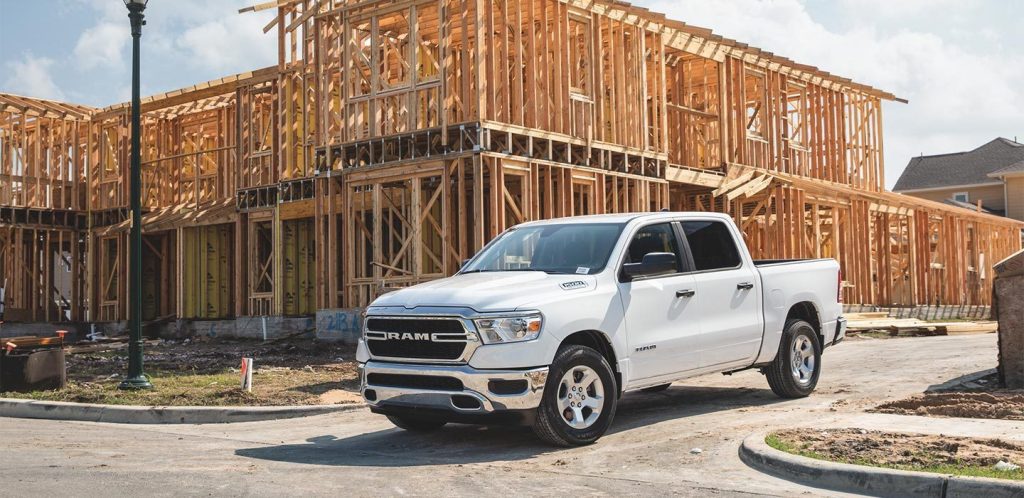
a white Ram work truck on the job
3 Reasons a Cargo Van Is Better Than a Pickup Truck

When it comes to getting the job done, pickup trucks immediately come to mind. But trucks aren’t the only option for a good, sturdy, get ‘er done type working vehicle. Pickups have their purpose, but so do cargo vans. In fact, there are some ways a cargo van is better than a pickup truck. Here are three of them.

1. Protected cargo

The first and probably most obvious reason cargo vans are better than pickup trucks is their ability to protect cargo. Sure, pickup trucks have plenty of space in the bed. You can even buy a shell to protect cargo from the weather. However, cargo vans come really equipped with workhorse payloads and covered cargo. A covered cargo that is both weatherproof and private.

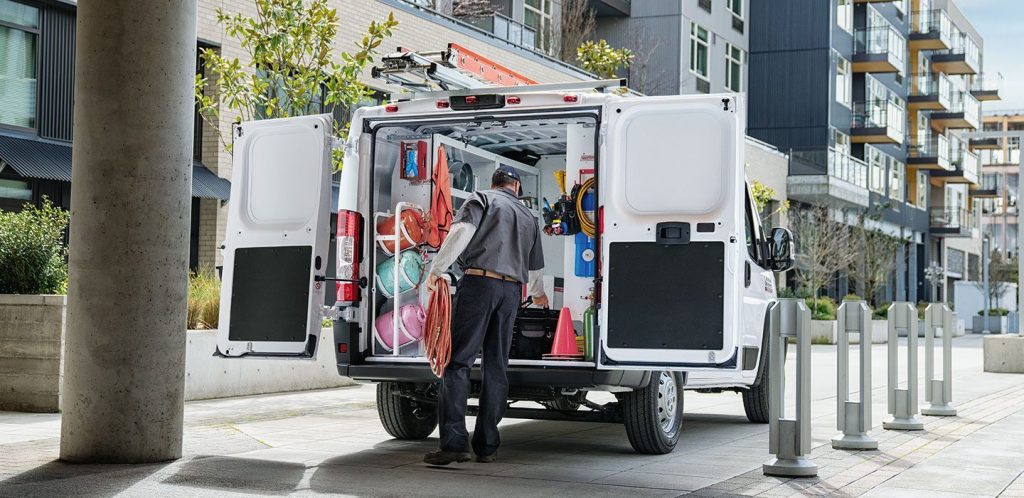
the rear interior cargo of a Ram ProMaster being used on a job
Ram ProMaster Interior | Ram Trucks

You can’t drop anything out of the enclosed space that a van offers. That means no damaged goods and the elimination of the liability of unexpected road hazards. There’s also the fact that although you can build out a truck for overlanding or equip it with a nice tent, camper conversions are largely more practical in a cargo van. The vast protected box provided by the cargo area makes for a great living space for overland travel.

2. A more professional appearance

There’s no denying that most pickup trucks look infinitely cooler than a cargo van. However, if you are using your truck for commercial use a cargo van is probably a more professional option. In terms of appearance, trucks are more fashionable.

A cargo van will look more commercial on the job. First impressions mean a lot, and the highly professional and undeniably commercial styling of a cargo van may go a long way in terms of branding. For commercial use, a cargo van looks a lot more professional. They just have a more business-designated feeling in the eyes of the customer.

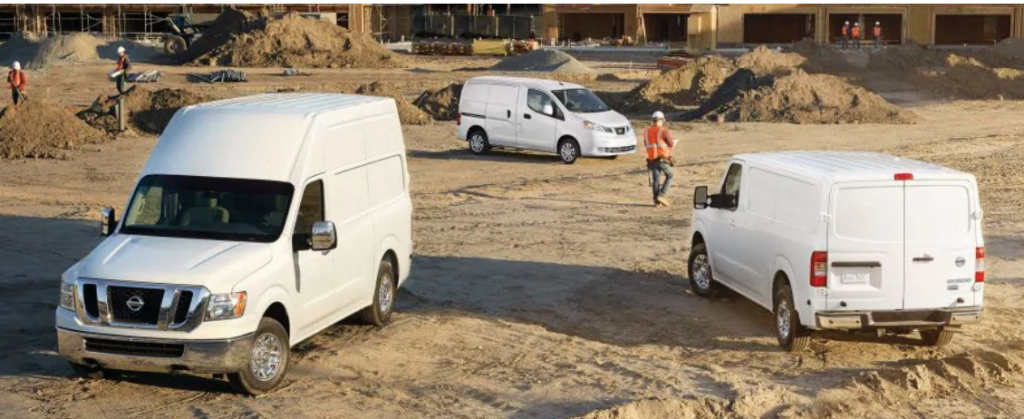
nissan's commercial van lineupdirt field with
Nissan Commercial Vans | Nissan

3. You don’t have to forgo a long list of options

Pickup trucks are loved for their rugged looks and strong capability. They are also appreciated for the incredible amount of options buyers have to choose from when choosing a truck. While there aren’t as many different brands that offer a cargo van, the ones that do offer the vans in a wide variety of options and configurations for your business needs.

The Ford Transit and the Mercedes-Benz Sprinter both come available with factory 4×4. Additionally, the Transit now has a crew cab option. The Nissan NV and the Ram ProMaster don’t come with the 4×4 capability, but they do offer several different wheelbase and roof height options. Plus, they come in the 1500, 2500, and 3500 classifications just like a pickup truck.

Cargo van or pickup truck?

Cargo vans and pickup trucks serve many of the same purposes. Pickup trucks are inarguably more stylish and come with the possibility for luxury trim levels a cargo van would never even dream of. But they are also workhorses.

Posted in cargo van, Commercial Van

3 Reasons Pickup Trucks Are Better Than Work Vans

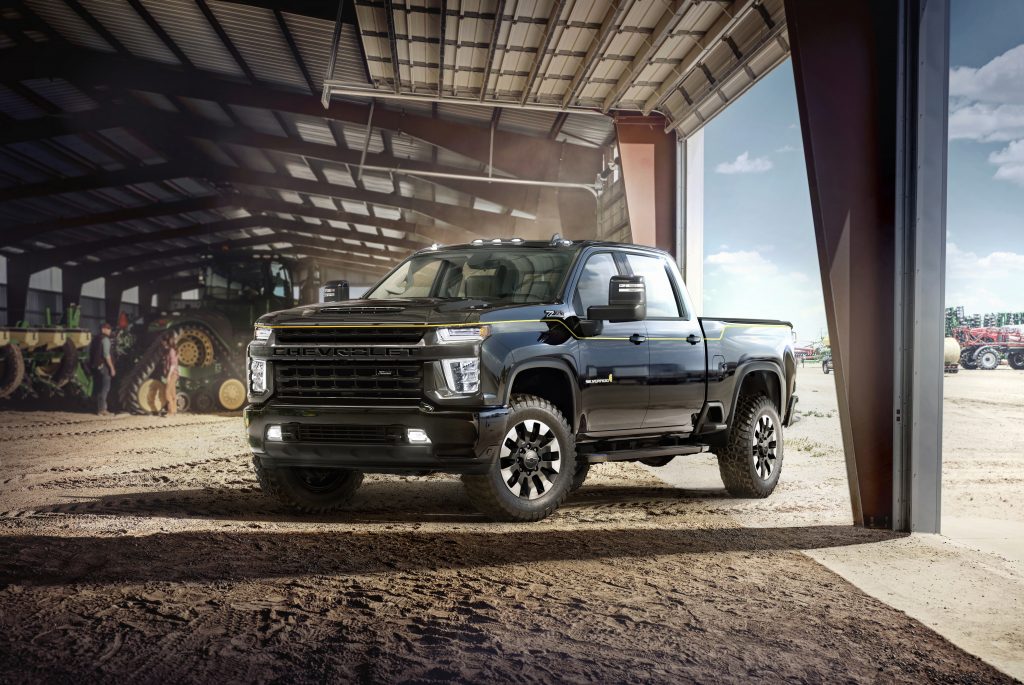
2021 Chevrolet Silverado HD Carhartt Special Edition parked at construction site
3 Reasons Pickup Trucks Are Better Than Work Vans

When it comes to choosing the right commercial vehicle to serve your business, the choice between buying a pickup truck or a van can be a hard one. Pickup trucks are awesome and you can’t argue that they possess more style and attitude. On the other hand, cargo vans are very utilitarian and offer up many compelling reasons business owners might be on the fence about choosing a pickup truck instead.

While each segment provides different things, they are both workers at heart. But which is the better commercial vehicle? Here are three reasons pickup trucks are better than work vans.

1. They are cool enough to lead a double life

Most people out there don’t want to drive around the commercial fleet van all day on the job and then take it out to dinner, too. A pickup truck on the other hand can lead a double life. The right pickup truck will offer the utility needed for your business and then get cleaned up and go out on the town. Much like the drivers of such a truck, these pickups are only good for one thing.

A pickup truck can look great in the city and then wake up in the morning, put its hard hat on, and get down and dirty. If you are worried about having a vehicle that is designated for the business, you can always slap a sticker on the doors to lend a more professional appearance. This is one good reason that a pickup truck is better.

2. Higher payload and towing capability

While cargo vans are very robust in their abilities, there aren’t any that can haul a load over 10,000 pounds. For a Chevrolet Silverado or a Ford F-150, this is just another day in the life. If you will be consistently heavy hauling and towing 10,000 pounds or more, get a pickup truck.

Each configuration offers different capabilities, just like the cargo vans. However, pickup trucks are undeniably stronger and more adept at handling a heavy load. While pickup trucks and work vans share DNA, they each evolved quite differently. Trucks are more capable in terms of hauling and towing and there’s just no getting around it.

3. More widely available 4×4

Another reason many turn to the pickup truck over a work van is there are many more with 4×4 capability. For many people, getting to the job means driving on a dirt or gravel road. While a couple of the vans offer available 4×4, every pickup truck offers 4×4 on at least one or more trim.

If you need a commercial vehicle with more off-pavement or off-road capability, a pickup truck is better than a commercial van. Properly equipped, pickup trucks offer the cargo utility plus the rugged capability of an all-terrain vehicle. If your business needs a vehicle to haul people and gear off the paved road, you’ll definitely want to choose a pickup truck instead of a cargo van. There are few things more counterproductive than getting stuck with your tires spinning in the dirt, your commercial vehicle loaded down with equipment for a job you can’t even get to.

Work van or pickup truck?

While both options are compelling in their own right, pickup trucks drive a strong argument in their case as commercial vehicles. We love cargo vans, but sometimes there are jobs that need the capability of a pickup truck. If you want something with more capability for heavy hauling or travel off-pavement, a pickup truck is the better choice. Plus, pickup trucks can double as both your commercial companion and a personal family vehicle.

Posted in cargo van, Commercial Van

Installing DIY Van Insulation

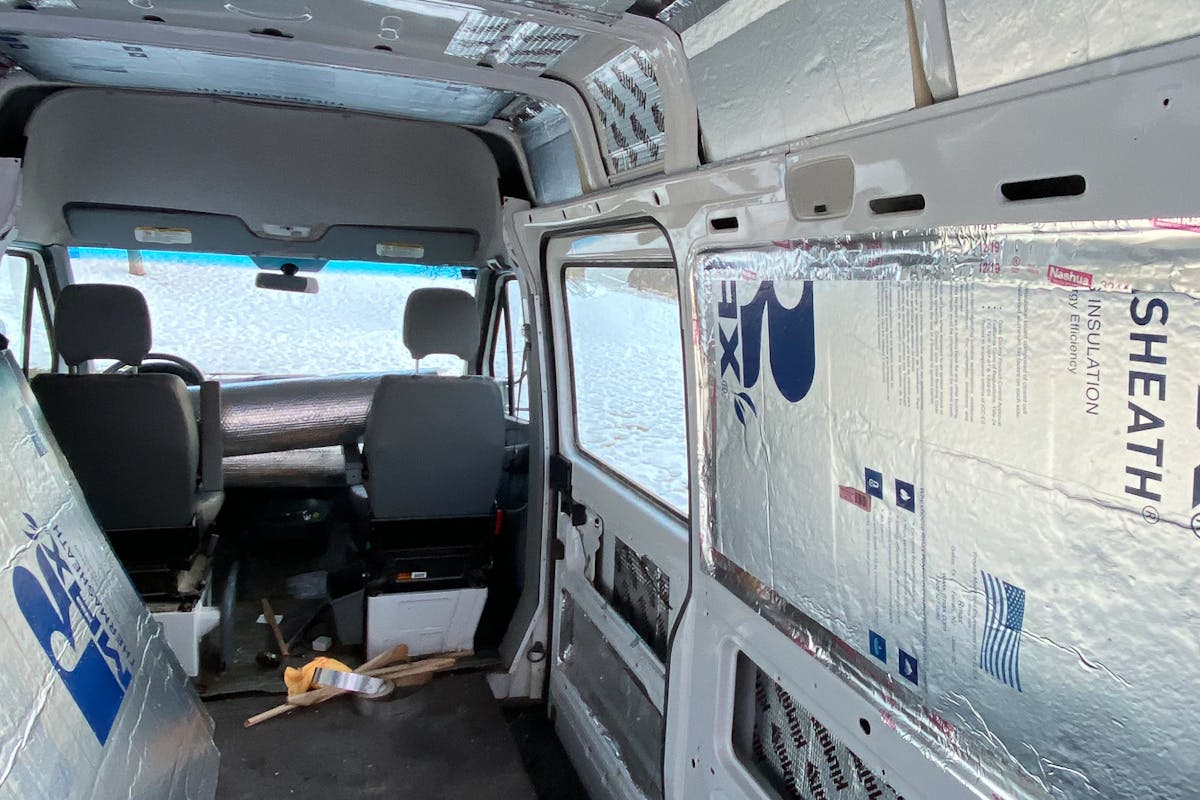
https://images.thewanderful.co/blog/how-i-insulate-travis/Insta-IMG_1343.jpg?w=1200&h=800&fit=crop&auto=compress
Installing DIY Van Insulation

Knowing how to heat your van in winter is essential to comfort and overall enjoyment when living in a van. There is more involved than grabbing a portable heater and hitting the road. It may go without saying, but the most effective way to avoid the cold is to head south for the winter. If you do happen to find yourself in a colder area, there are a few common and affordable options to heat your van.

The five most common heating solutions for people in vans, RVs, or tiny houses are: electric heaters, wood stoves, propane, butane and diesel heaters.

Each has their advantages and disadvantages and it’s important to come up with a heating solution that’s tailored to your needs. What may work for one van might not be economic or efficient for others.

VanLife in the snow

Alternatives To Heating Your Van

Proper insulation is the most important factor keeping your van warm. Before turning on a heater be sure to insulate the walls, floors and windows of your van. The more insulation involved, the less energy you need to spend keeping warm. Spray foam and silicon caulking are your friend.

If you do not have the money or means to do a full van insulation, a cost effective and fast solution is to purchase insulation panels for the windows. Insulation panels are typically made out of reflective foil that can be stuck to the glass.

A slight increase in your van’s temperature will be noticeable with just this simple step. Not to mention, insulation panels are great for privacy. No more peeping neighbors!

Wear Quality Gear

A few must-have winter items can make a huge difference in your comfort level.

Feet: Always keep a pair of warm socks or slippers nearby.

Wool: Wool is tried-and true material because it can retain heat even when wet. Wool fibers are also durable and made to last for years. The makeup of wool fabric allows for small air pockets within the fibers which increases the insulation level significantly compared to cotton.

Head: Keep your head and feet covered against cool drafts. Your head loses more heat than the rest of the body when left uncovered so don’t neglect this crucial body part!

Blankets: Store lots of blankets and duvet covers within the van. Many people choose to sleep in a high-quality sleeping bag that is rated to zero degree weather.

Be aware that even the highest quality sleeping bags on the market are rated for survival. They are not rated based on a comfort level. What this means is if the bag is rated for 30 degree weather, you will not freeze in 30 degrees. However, this doesn’t mean you will be cozy all night.

Layers: When planning your sleeping set up, use layers. You may have one blanket that works well in the summer, one sleeping bag for the fall, and an extra comforter that you can combine with all three for extra cold nights.

Add this to a good hat and socks and you will be able to adjust for most situations.

Warm Yourself With The Hot Water Bottle Method

If you happen to find yourself on a cold night with no Mr. Buddy heater around hot water bottles are a cheap and easy way to stay toasty. Simply boil some water and pour it into a water bottle or covered container that you can use to heat the bed or lay next to. Water bottles can stay warm for up to 6-8 hours at night and may be all you need.

Cover the bottle with a towel or cloth while pouring warm water inside, use extra caution not to burn yourself. Make sure the lid is twisted on tightly so there are no spills. A word of warning: Do not overfill the water bottle. ¾ full is all that is necessary to keep hot.

Finally, never use a hot water bottle at the same time you are using an electric blanket for heat. You do not want to take the risk of water and electricity coming into contact with each other.

Heating a camper van conversion in the winter

Electric Heaters

If you are parked in a friend’s driveway or have the luxury of a campsite with hookups, electric heating is a great option. Electric heaters are lightweight, emit no sound, have no smell, and are safe to use in tight spaces.

There are many different types of electric heaters with the most common being ceramic, infrared, and oil radiators. Although they may seem like the ideal solution, do not assume your van’s battery will keep you warm all night and startup in the morning – it won’t.

Ceramic heaters can be a great option if you have a power source. Electric heaters produce a consistent heat output that can be easily adjusted. Plus, they will expel hot air in one direction allowing you to aim the heat where you need it.

Most electric heaters will range between 500 and 1500 watts. The lower the wattage, the longer it will take to heat an area. Electric heaters are relatively inexpensive to purchase, often they can be found for under $50. Once you own one, it’s just the cost of electricity you need to worry about.

When running an electric heater there are a few things you need to remain cautious about. Many heaters have safeguards built-in to avoid overheating or tipping over. Being in a small area like a vehicle, you should be aware of your surroundings to avoid burns. In addition, not all electric heaters are quiet, so be prepared for a soft hum.

Posted in cargo van, Commercial Van

Campervan Insulation: A Super Handy Guide

https://cdn.vox-cdn.com/thumbor/a2wGQxs3ivagKB1an8jHnnfihEE=/0x0:4928x3264/1200x800/filters:focal(2070x1238:2858x2026)/cdn.vox-cdn.com/uploads/chorus_image/image/64699892/CREDIT_ROAMERICA___delta_spreadsheetqueen.0.jpg
Campervan Insulation: A Super Handy Guide

Keeping warm inside your campervan when it’s cold outside will make travelling in a campervan an absolute pleasure. But, get it wrong, and you will soon find yourself checking into the nearest hotel for some much-needed warmth. This is why van insulation is so important.

If you want to stay comfortable inside your campervan, then insulating the vehicle correctly will have such a dramatic effect. When it comes to keeping the heat in or out, insulation is one of the most important steps you can do for your campervan conversion.

There is also quite a lot of confusion when it comes to the correct type of insulation to choose from for your van build. So, to keep it as simple as possible, here are some frequently asked questions when insulating a campervan.

Frequently Asked Campervan Insulation Questions:

  • What’s the best material to use?
  • How do I install it correctly?
  • Is a vapour barrier important?
  • How much is it to insulate my campervan conversion?
  • What are R and K-values?
  • Do I still need to insulate if I am going to travel to hot countries?

In this article, we will try to give you all the answers you need about insulating a campervan. We also take an in-depth look at the most commonly used materials, their pros and cons, and whether you should use them.

Before we jump in, we must first understand the properties of heat transfer and see precisely how it works.

Campervan Insulation and Heat Transfer: What You Need To Know

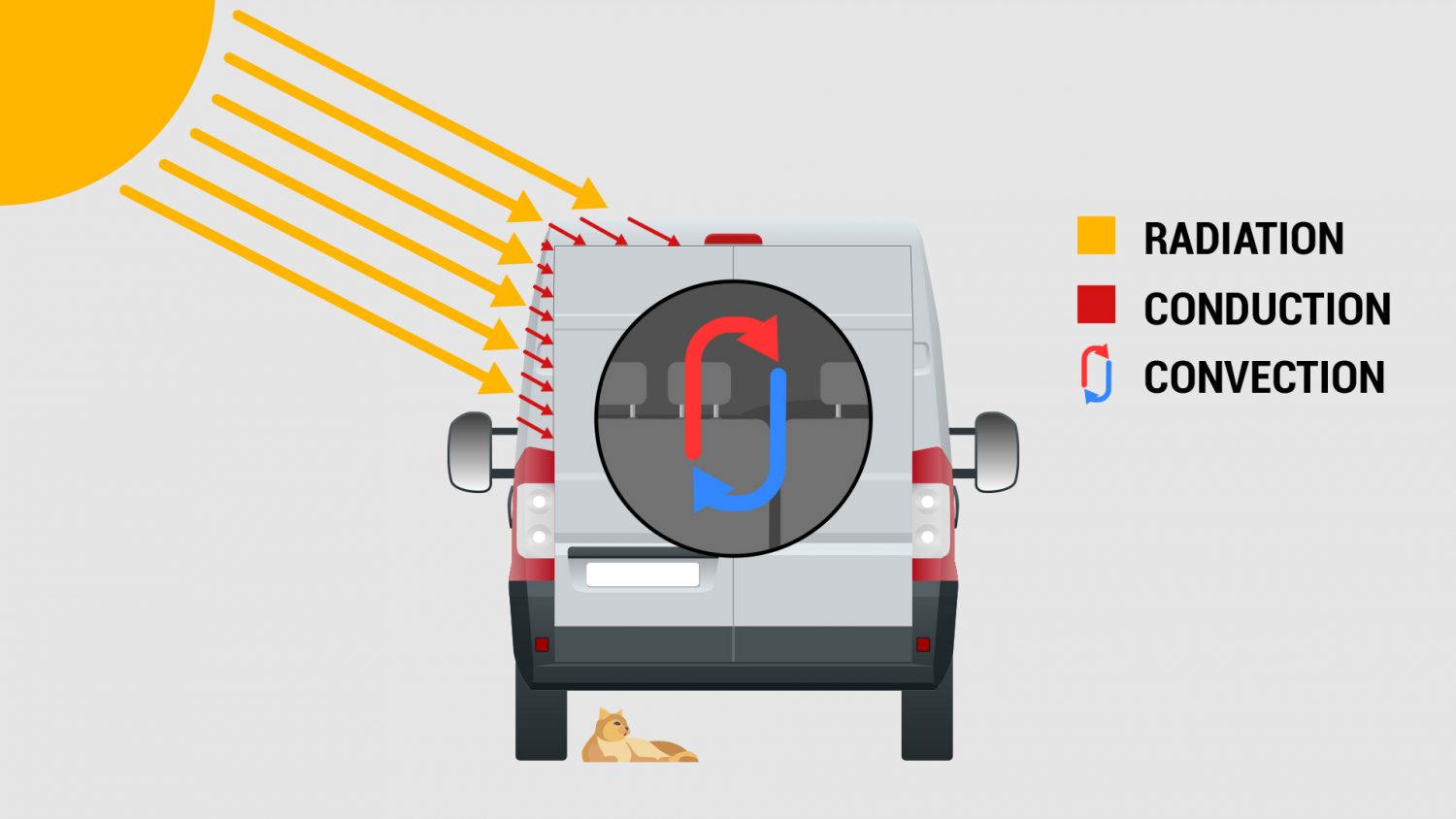
There are three types of heat transfer: radiation, conduction, and convection;

illustration of campervan radiation, conduction and convection process
Campervan Radiation, Conduction and Convection process.

Radiation

Radiation is a method of heat transfer. It does not rely upon any contact between the heat source and the heated object. One of the most notable examples of radiation heat transfer is the heat of the sun beaming down onto the earth.

One of the primary sources for radiating heat coming into your campervan is going to be your windows. They allow sunlight to pass through, which heats the inside of the vehicle.

In winter, this is a great benefit as it will soon warm up the inside of the campervan. However, it can have the opposite effect in summer, making it extremely hot and stuffy inside. By installing reflective window coverings, this will help deflect unwanted sunlight coming into the campervan.

It will also have a huge benefit in keeping the van cool and creating a pleasant, ambient temperature.

Conduction

Conduction is the transfer of heat between two solid bodies. A good example of conduction heat transfer is leaving a teaspoon in a hot cup of tea; due to conduction heat transfer, eventually, the end of the spoon sticking out of the cup will get hot.

When the sun shines down and heats the external body of your van, the heat will eventually make its way inside, through the body and the walls of the vehicle through heat conduction.

Installing the correct insulation can slow down the process of heat transfer. In winter, insulation will have the opposite effect, slowing down the heat transfer out of the vehicle.

Convection

Convection occurs when the heat is transferred through a gas or liquid by the hotter material moving into a cooler area. A brilliant example is a hot air balloon. The gas heater inside the balloon heats the air, and so the air moves towards the top of the balloon. It then causes the balloon to rise because of the trapped hot air. When the pilot wants to descend, they let out some of the hot air from the top. Cooler air is drawn in from the bottom, causing the balloon to lower.

Because of the way that convection works, when the van begins to warm up, the heat will naturally rise. By installing thicker insulation in your roof, this will help considerably slow down heat loss through convection. It will keep the van interior nice and warm for longer, as well as making the van more efficient as it will require less energy to keep the van warm.

And when it gets a little too hot, you can use a ventilation fan to draw out the warmer air near the ceiling. It will also draw cooled air into the vehicle from any low-lying vents or open windows, making the whole interior of the campervan cooler.

Understanding Insulation

Simply put, insulation will slow heat transfer. This will help make it easier to maintain the internal temperature of your campervan.

What is K-Value? (Lambda Value, Thermal Conductivity, Λ)

K-value, also known as the Lambda value, Thermal Conductivity, and sometimes represented as the Greek letter λ, indicates the ability of such material to conduct heat. Materials with lower K-value do not easily allow heat energy to pass through.

Posted in cargo van, Commercial Van

What are the Best Options for Cargo, Sprinter, and Camper Van Insulation?

https://s.marketwatch.com/public/resources/images/MW-HW698_at_car_ZG_20191210174816.jpg
What are the Best Options for Cargo, Sprinter, and Camper Van Insulation?

Whether you use your van to haul your tools or it’s your home away from home, insulation can play a big part in the role that vehicle plays. So the main question arises that what are the best options for sprinter van insulation, cargo van insulation, and gruau van insulation? Before you get into the van insulation options, you need to understand heat transfer.

There are three ways that heat transfers – radiation, conduction, and convection. Radiation is like the heat radiating from the sun, because it is heat that moves through the atmosphere, and then warming your skin. Conduction is heat transferred through solid surfaces, like the walls of your van. Finally, convection is how heat moves through liquid or gas, like the air inside your van, according to Gnomad Home.

Really what you’re worried about is the conduction, because the metal of the van roof, floor, and walls will conduct that heat and cold, making the van uncomfortable and not a great place to store tools or items you are hauling.

Now let’s talk about van insulation.

Foam Board Van Insulation

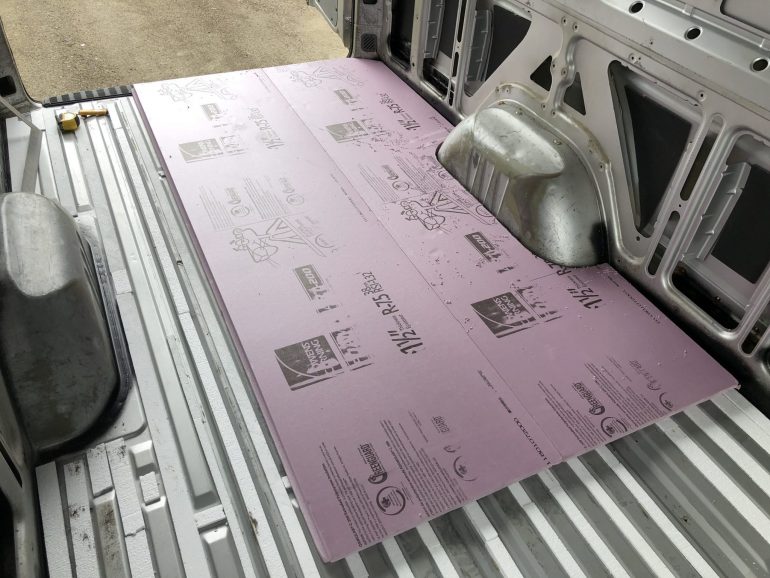
In the past five years, foam board insulation has become a popular option for van insulation. This is because you can cut and shape the material exactly how you want it in your van and it’s relatively inexpensive. Foam board insulation is rigid panels of insulation that are made of either polystyrene, polyisocyanurate, and polyurethane.

Now let’s look at the pros and cons.

Pros:

  • Foam board can be found in any home improvement store.
  • Rigid foam board insulation is offered in a variety of thicknesses, lengths, and facings so it can be customized to fit properly for your project.
  • Foam board insulation provides good thermal resistance and reduces heat conduction.

Cons:

  • It can take more than a day to install foam board properly inside a van.
  • The joints between the foam board sheets must be taped or caulked to be installed properly.
  • Expanded polystyrene boards have air bubbles that can stop heat transfer but can collect moisture in the event of condensation on the metal. The moisture can lead to the formation of rust.

Wool Van Insulation

Wool van insulation is considered a natural material but does have a Boron flame retardant in case of a fire.

Wool, similar to fiberglass, comes in batts you can install on the van walls and ceiling. An issue though is that the batts tend to be too thick, so it will need to be cut down to install properly.

Pros:

  • Is environmentally friendly.
  • Much like wool clothing, can keep you warm inside the van.
  • Has a flame retardant added to it.

Cons:

  • Much like wool clothing, will retain water which can lead to rust.
  • The batts may be too large, so you will need to cut them down to insulate the van properly.
  • If the wool batts are crammed in to fit, then the material loses its insulation properties.

Closed Cell Spray Foam Van Insulation

Closed cell spray foam is better suited to insulate vans compared to open cell because of its durability and low expansion rate.

Closed cell can be sprayed directly on the metal walls of the van. Closed cell spray foam is a spray-applied plastic that forms continuous insulation and air barrier. It is known to resist heat transfer.

Pros:

  • Creates an air barrier that will keep your van comfortable no matter what is happening outside.
  • Closed cell is very durable, so it can be left exposed and take the hits from tools and equipment in your work van.
  • Has some sound deadening properties which cuts down on the noise of your tools clanking around in the back.

Cons:

  • Is more costly than other insulation materials when installed by a professional. DIY is an option but comes with its own set of risks and problems.
  • If the van isn’t kept in a warm space before installation, there can be issues with adhesion.
  • Some closed cell spray foams that use a chemical agent in the mixing process can give off a temporary odor.
Posted in cargo van, Commercial Van

4 Tips on How to Start a Business with A Van

https://cdn.motor1.com/images/mgl/rpLRP/s1/2018-ford-transit-high-roof-250.jpg
4 Tips on How to Start a Business with A Van

Work is becoming scarcer and scarcer. You have to take such good care of your job these days or face unemployment. So many people are stuck in a job they hate and they stay there because even though they despise getting up in the morning, the job provides a salary at the end of the month. It’s bad for your health to be stuck in a job you don’t like and it is completely unnecessary.

All you need to gain complete freedom from a job you hate, an employer who treats you unfairly or work that is just too demanding is a good idea and a bit of willpower. You can start your own company and be free of all of these job issues by simply trading in your car. With a sprinter van and a bit of creativity you can start a lot of self-employment companies which are sure to secure you with employment for the rest of your life.

Here are the top five companies you can start by simply investing in a commercial van.

1. Freight company

With all the online shopping that has been going on these days a freight company is a terrific company to consider. Trade your car in for a sprinter cargo van and you can start your own freight company or you can use your van to deliver goods for major companies. Freight companies are simple to manage and they are easy to start if you just promote effectively.

2. Touring company

Lots of people love to travel but simply cannot afford it. When people travel in groups they can benefit greatly from renting a sprinter van as this will allow them to get around much cheaper and they get so much more out of the experience since they get to travel together. A sprinter passenger van is just what you need to start your own touring company. You can focus on holiday destinations for seniors, adults, organizations or even for children and see the world while you work.

3. Taxi service

With a mini bus you can transport up to 17 people to far off destinations or you can start a public transportation service and drive people between major city locations throughout the day. You can focus on transporting kids for school, adults to certain work hotspots or you can reserve your services for major sports teams when they are heading for a major tour.

4. Food delivery

A home delivery van will enable you to make food deliveries for catering companies or grocery stores. You can also start transporting food or perhaps even flowers for farmers and earn a steady income for the rest of your life while you enjoy great scenery all the time.

You could even expand your business even more by growing your own fruits and vegetables and deliver them to customers. This could be a great avenue to go down once you gain a bit more starting capital and once you have built up great customer relationships.

Delivery or transportation companies are some of the best companies to start simply because there is always a need for transportation. You can easily start a number of terrific companies by simply investing in a good quality sprinter van and the possibilities for expanding your transportation or delivery company are endless if you just manage it correctly and find a avenue that you can successfully expand into.

Who knows, perhaps you could own your own fleet of fantastic sprinters in the near future and all you have to do is trade in your everyday car for a van to make it happen!

Posted in cargo van, Commercial Van

Campervan Insulation – Find the best way to insulate your van!

https://i0.wp.com/fittwotravel.com/wp-content/uploads/2019/04/sheep-wool-van-insulation.jpg?fit=2048%2C1538&ssl=1
Campervan Insulation – Find the best way to insulate your van!

Why is van insulation important?

Van insulation is really important in order to moderate the temperature within your van. Typical campervan conversions will use a panel van as a base vehicle, but the thin metal walls will very easily transfer heat and equalise to external temperatures. If you’re in extremely hot or cold climates this could mean a lot of discomfort. Van insulation will ensure that the temperature equalisation proces is slowed way down and you stay comfortable in your tiny home!

What types of insulation can you use in a campervan?

You’ll come across quite a few options in choosing the best van insulation material for you. Some of these are the same as you’ll find in many standard homes. Others, however, are more bespoke and harder to come by, and therefore far costlier to your wallet but potentially a much better insulation investment.

We recommend considering the following when choosing your van insulation material:

  • Toxicity – This was a big deal for us, as we didn’t want any particulates or gases contaminating our small living space. We were running away from the city because of air pollution so didn’t want any respiratory aggravators or health risks.
  • High R-value – As you’ll need to maximise the space in your van, it’s important to use a material which has a high insulating value per inch.
  • Moisture resistance – In a small space you’ll generate moisture from cooking, showers, breathing etc. You’ll want to use insulation which is moisture resistant to stop any mould growth or take precautions to ensure no moisture can access your insulation using a vapour barrier.
  • Cost – We learnt that converting a van can become very expensive very quickly. Plan ahead to get products which do the job well but don’t cost the earth.
  • Eco friendliness – Some insulation options are very eco friendly, as they are made from recycled plastics or old clothes. Others not so much. If you want to be more eco conscious this is something to consider, and there are a variety of options now available. More on this further on!

With these key points in mind, here are the options you have available: Show entriesSearch:

Type of insulationR valuePriceToxicityEco-Friendliness
Closed Cell Spray Foam7£££22
Polyisocyanurate (Polyiso/PIR/Celotex)6££32
Extruded Polystyrene5££31
Expanded Polystyrene3.9££32
Fiberglass3.8£52
Rock wool4.3£42
Denim3.7££24
Sheep wool3.7££15
Thinsulate/Polyester3.7££££14

Polyisocyanurate (PIR) van insulation

van floor insulation

In the UK this is commonly known by the primary manufacturer of the product, Celotex. Within the US, it’s most frequently called foam board insulation.

PIR insulation is an excellent choice because it is lightweight, moisture resistant, affordable, non-toxic and fire resistant.

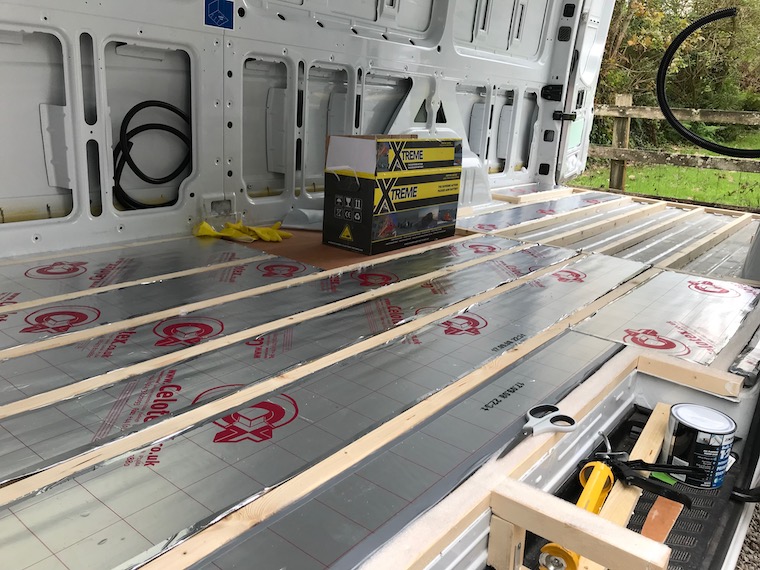
PIR boards come in a range of thicknesses and are excellent choices for insulating the ceiling and floor of a van conversion. The only danger is from inhaling the dust created when cutting the boards. We found using a sharp knife created a very clean cut with minimal dust, but we were also careful to use masks when cutting. Either side of PIR insulation is usually a reflective barrier which helps keep radiant heat within your van.

Reflectix – Campervan foil insulation

vapour-barrier-in-van

This material is very widely used in van conversions, but often incorrectly! It’s a thin bubble wrap with a reflective coating and holds a very low R value.

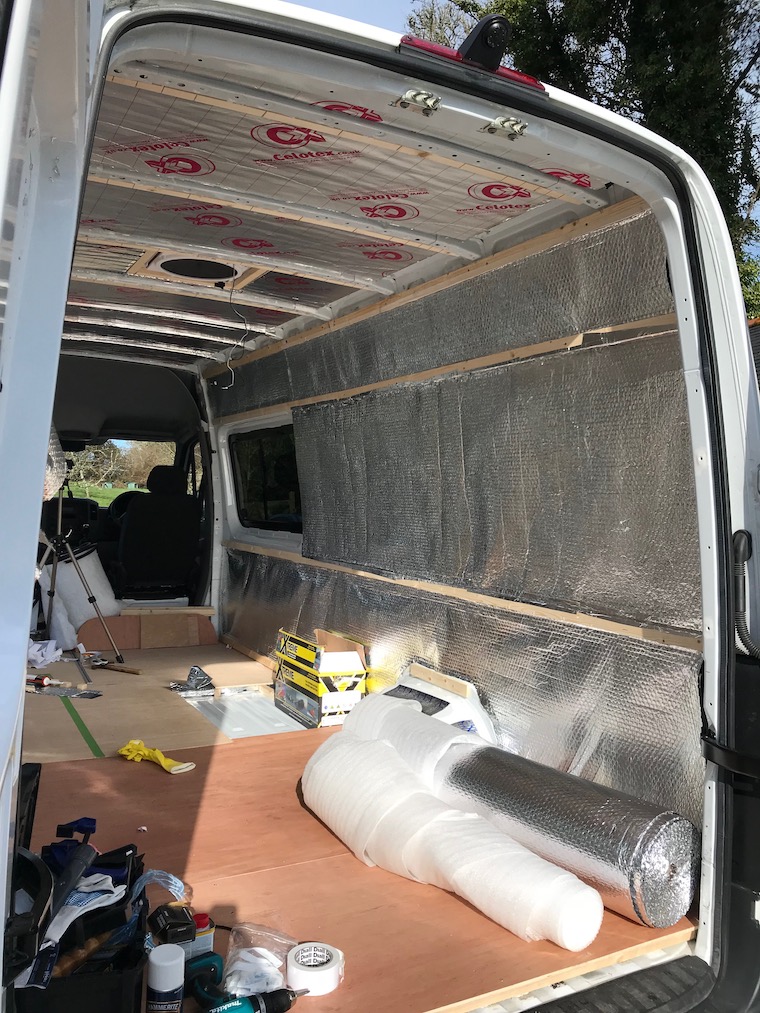
Reflectix is excellent at reflecting radiant heat but it is not efficient at stopping the transfer of heat. The common mistake is adhering Reflectix straight onto the metal of a van and then adding another layer on top. Heat passes straight through the reflectix from contact with the metal through conduction and makes it totally ineffective.

Reflectix is great when being used as a window blind as it reflects heat back. To make it more attractive, we covered it in thick cloth. It’s also moisture resistant and can be used as a vapour barrier which is how we used this material in our van build.

Polystyrene van insulation

polystyrene insulation

What is the difference between extruded and expanded polystyrene?

Extruded polystyrene is arguably one of the most environmentally unfriendly products in this list. This is due to the manufacturing methods using hydrofluorocarbons via an extrusion process and polystyrene polymer.

Expanded polystyrene is manufactured without these gases as by-products and has a far more air gaps within its structure. The trade off is that this renders it slightly less moisture resistant.

Both types of polystyrene are similar in structure to PIR insulation which comes in a range of thicknesses. The major health consideration is the inhalation of particles from cutting or from abrasion within your van.

It has a good R value slightly less than that of PIR but both types are slightly cheaper. It’s far more resistant to compression than PIR which makes it a popular choice for use in flooring. It is however far less flame resistant and when it combusts gives off styrene gas which can causes CNS damage.

Posted in cargo van, Commercial Van, Ideas & Tips

Is Sheep Wool Insulation Safe?

Is Sheep Wool Insulation Safe?

Sheep wool insulation has become a popular form of insulation for camper vans. Living in the close confines of the camper van, you are in close contact with all the materials used to build the van. When you spend so much time in a small metal box, you want to make sure that everything used to customize the box is safe.

Is sheep wool insulation safe?

Sheep wool is one of the safest forms of insulation for a camper van. It is no more dangerous than a wool sweater. Not only is wool safe, but it also improves the environment inside your van. It is the best insulation you can use for air quality and moisture control.

Benefits Of Wool Insulation

Van insulation is important for keeping your camper comfortable in hot and cold weather. However, many kinds of insulation can cause problems. These problems include releasing toxic chemicals into the air, trapping moisture leading to rust, and fire danger. Wool insulation does not pose any of these risks.

Wool is hair from sheep. It is 100% natural and does not pose any risks. Wool is one of the safest kinds of insulation you can put in your van. Various types of insulation can cause problems with air quality, flammability, and moisture-trapping. Let’s see how wool stacks up against some of the common issues with other types of insulation.

Air Quality

Some forms of insulation can contain chemicals that can be toxic or carcinogenic. During installation, some of these chemicals may be released. The motion of a moving van releases some and some are continually released throughout the life of the insulation. Wool contains no toxic chemicals. In fact, wool can help purify the air.

Studies show that wool can absorb contaminants, such as sulfur dioxide, nitrogen dioxide, and formaldehyde. Some kinds of man-made insulation emit these gases. Because of this, wool insulation makes your van safer. Using wool insulation will help reduce some of the nasty compounds released by other items in your van, such as vinyl.

Moisture Control

When warm, humid air inside the van comes in contact with cold metal walls, water vapor condenses on the walls. Some kinds of insulation seal this moisture against the metal. As we all know, wet metal rusts and rust can be a big problem in a van. Not only does wool not trap moisture, but it also absorbs moisture from the air when humidity is high. Even better, it will release moisture when the humidity is low. These features of wool help prevent moisture trapping.

The ability of wool to trap and release moisture helps fight rust. Instead of letting the outside wall of the van get wet and trapping water there, wool helps keep the camper van’s walls dry. As a bonus, wool does not lose its ability to insulate when it’s wet. Some kinds of insulation do. Rust starts as a small problem; however, if left unchecked, it can cause significant damage with costly repairs.

Fire Safety

Some forms of insulation are highly flammable. Wool is not. In fact, wool insulation is a flame retardant. Should a fire break out in your van, wool will help slow the fire down. It’s not fun to think about what can go wrong, but you’ll sleep better knowing you have taken some steps to prevent fire.

Reducing the possibility of fire is always the best option; nonetheless, should a fire start, make sure you are prepared by having a fire extinguisher in your camper van that is designed specifically for travel.

But How Well Does Sheep Wool Insulation Work?

The safest, most moisture and flame-retardant materials in the world are useless as insulation if it doesn’t insulate. How does wool stack up in the heat-holding department? Very well. In addition to holding heat, van insulation should be easy to fit into the oddly-shaped spaces that make up a van wall.

Holding Heat

Have you ever seen a cold shivering sheep? Wool is terrific insulation; that’s why we use it to make sweaters and coats. The heat-trapping power of insulation is measured with R-value. Wool has a higher R-value per inch of insulation than the pink fiberglass insulation that contractors commonly use in homes. It is one of the best heat-holders you can get for your van. Not that this is related to heat—but it’s nice to know that wool also helps block noise!

Fitting In

Vans often need special insulation products because there are lots of weird little gaps and compartments in the walls. Homes are built according to standard specifications, so insulation products are designed to fit these spaces. To insulate a van, you must adjust the insulation to make it fit what you have. Wool is great for this, too.

Fiber insulation is excellent for vans because you can bend, cram and poke it into all kinds of nooks and crannies. It is much simpler to install fiber insulation than rigid products like foam boards. Wool is terrific for this. Since it’s a fiber, it’s easy to adjust the size of wool insulation. You can pull pieces off the roll for the small spots, or if you want to be neater, you can cut it with scissors.

Unlike rock wool or fiberglass insulation, you can install wool insulation with your bare hands. It won’t cause itching or allergic reactions. You peel it apart, poke it where you want it, and you are good to go.

One more benefit of wool is that it doesn’t settle. Some other kinds of fiber insulation will slump down over time, leaving bare spots with no insulation. You will have to either be cold or open up the walls to add insulation. Wool will hold its shape for decades – likely longer than your van lasts.

Sound Blocking

Wool is also an excellent sound blocker. Foam panels and radiant barriers don’t block much sound, so you will hear everything that is going on outside your van at night. Wool keeps the noise away and lets you get a good night’s sleep.

Sustainability

Wool is also a good choice for sustainability. It’s a renewable resource because sheep grow new wool every year. Processing wool for insulation requires very little energy input. Technically, the wool itself is solar-powered, since the sheep eat grass to make it.

Wool also sequesters some carbon dioxide. The carbon to make the wool fibers comes from the grass sheep eat. The carbon in the grass comes from the carbon dioxide the plants pulled from the air. By using wool to insulate your van, you are helping fight global warming!

Wool has a better end-of-life disposal process than other forms of insulation, too. Since it’s just hair, old insulation can be composted instead of dumped into a landfill. From beginning to end, wool is easily the most sustainable form of insulation for your van.

Posted in cargo van, Commercial Van, sprinter work van

7 Tips for Buying Used Commercial Vehicles

https://cdn-ds.com/stock/2020-Mercedes-Benz-Sprinter-2500-Extended-Cargo-Van--Peoria-AZ/seo/ECL8344SPRINTER-W1X4EDHY8LT021833/sz_125777/W1X4EDHY8LT021833_c70141c700f85421.jpg
7 Tips for Buying Used Commercial Vehicles

While new is the right choice for some — a shiny, fresh-off-the-assembly-line truck can certainly be tempting — there are big advantages of buying used vehicles. More “experienced” trucks and vans are going to be more affordable, and the used market offers a wide variety of options — giving you the flexibility to find the vehicle that you’re most comfortable with, and that’s best for your professional needs. To help out with your used purchases, the following are 7 tips for buying used commercial vehicles:

  1. Understand your options.

Leading online commercial vehicle marketplaces that gives you the widest selection of trucks and vans from which to choose. Although you cannot personally inspect a vehicle through an online purchase, dealers provide comprehensive descriptions and great photos of their for-sale trucks. To look over a vehicle in-person, your choices will obviously be narrowed to dealers within travel distance.

For buyers who’d rather close a deal with a handshake instead of a mouse-click, a “Dealer Search” feature will help you find the dealers closest to you. Finally, you may consider a live auction. Bidding can be fun, but high-energy competition can drive prices well above what a used truck or van is worth — don’t get too caught up in the action.

  1. Do your research.

The most important step in buying any used sprinter commercial van is to find out as much as you can in order to determine if it’s the right purchase for you. The three main aspects of inquiry are to (1) inspect the truck or van, from the structural and mechanical pieces to the tire treads and the mileage, (2) learn the vehicle history, including use, maintenance, oil change, and repair records, (and always search through public records using the vehicle’s VIN to find traffic records and its accident history), and (3) research the owner/dealer through background checks and word-of-mouth reputation.

  1. Consider technology.

If a truck is more advanced than you or your drivers are accustomed to, operational learning curves could slow down productivity. On the other hand, some features will help you work smarter and faster, so you’ll want to strike a balance between innovation and familiarity. And, of course, you’ll want to be sure that any commercial vehicle you purchase is able to meet state and federal requirements, including safety requirements and emissions standards.

  1. Care about appearances.

It can be easy to dismiss the look of a used truck or van, as long as it works. But if a dealer hasn’t taken care of the outside of the vehicle, have they really taken care of the inside? Use caution when evaluating worn-looking trucks. Also, remember that commercial vehicles seen by the public can be your company’s best — or worst — advertisement to potential clients. If a used truck really does run well, but just doesn’t look appealing, can it be refurbished to give your business a more professional image?

  1. Evaluate the TCO.

Total Cost of Ownership (TCO) can be found with a simple equation: add purchase cost and ownership costs (tires, fluid and lube changes, maintenance/ repairs/ part replacements, insurance), then subtract resale value. Researching a vehicle’s condition and history (as described above) will help you forecast when and where problems may arise and the average cost of maintenance and repairs.

And remember that a vehicle is likely close to requiring a major engine overhaul once it hits 700,000 miles. Doing the math and establishing an acceptable TCO that fits your financial situation will give you specific criteria for evaluating used trucks and vans.

  1. Get the paperwork.

Ask for proof of ownership/the vehicle title to be sure you are buying from the registered owner. You don’t want to purchase a stolen truck, and the original invoice could quickly provide the assurance you need. When buying used, you should also obtain a title transfer and a bill of sale. If the truck or van shows up with undisclosed problems — or doesn’t get delivered at all — you have plenty of evidence to pursue refunds or legal recourse.

  1. Seek a warranty.

Especially if you have lingering questions about a used vehicle, strongly consider getting an official warranty or vehicle guarantee. Most dealers will offer some kind of warranty, but individuals, who often sell trucks for lower prices than a franchise dealer, likely will not provide guarantees. So the availability of warranty options is something to keep in mind as well.